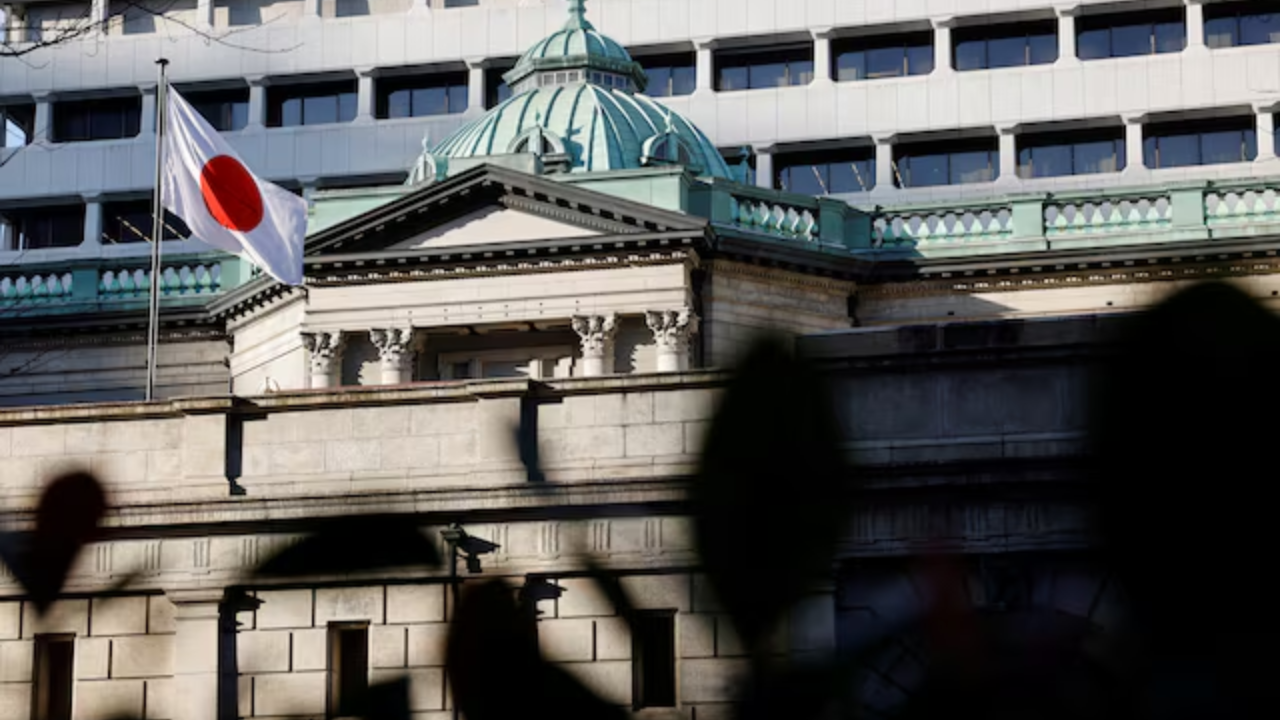
Minutes from the Bank of Japan’s (BOJ) October 29–30 meeting, released Wednesday, confirm that policymakers were already laying the groundwork for the historic rate hike that eventually occurred in December.
Thank you for reading this post, don't forget to subscribe!1. The Push Toward “Neutral” Rates
A core theme of the meeting was the need to move interest rates toward a “neutral” level—the point where monetary policy neither stimulates nor slows the economy.
- The Argument: Members argued that keeping rates too low while the economy improved could lead to instability.
- The Goal: Adjusting policy now would support “economic and price stability in the long run.”
2. Inflation Risks and the Yen
The board expressed growing concern over the Japanese yen’s depreciation.
- Import Costs: Several members warned that a weak yen could drive up the cost of imported goods, causing inflation to “overshoot” targets.
- Urgency: This risk added pressure on the board to consider tighter policy to protect consumer purchasing power.
3. Internal Dissent and Political Caution
While the BOJ ultimately held rates at 0.5% during this October meeting, the decision was not unanimous:
- The Hawks: Board members Hajime Takata and Naoki Tamura officially dissented, voting unsuccessfully for an immediate increase to 0.75%.
- Political Uncertainty: The meeting occurred just eight days after Prime Minister Sanae Takaichi took office. Some members preferred to wait and see how the new administration’s fiscal policies would align with the bank’s goals.
- Wage Growth: There was a collective desire for more “clarity” on whether Japanese companies would continue to raise wages in the coming year, especially with the threat of new U.S. tariffs looming.
Summary Table: October vs. December
| Feature | October Meeting | December Meeting |
| Policy Rate | Kept steady at 0.5% | Raised to 0.75% |
| Board Sentiment | Divided (Two dissents) | Broadly hawkish |
| Key Concern | Takaichi’s new government | Normalizing for long-term growth |