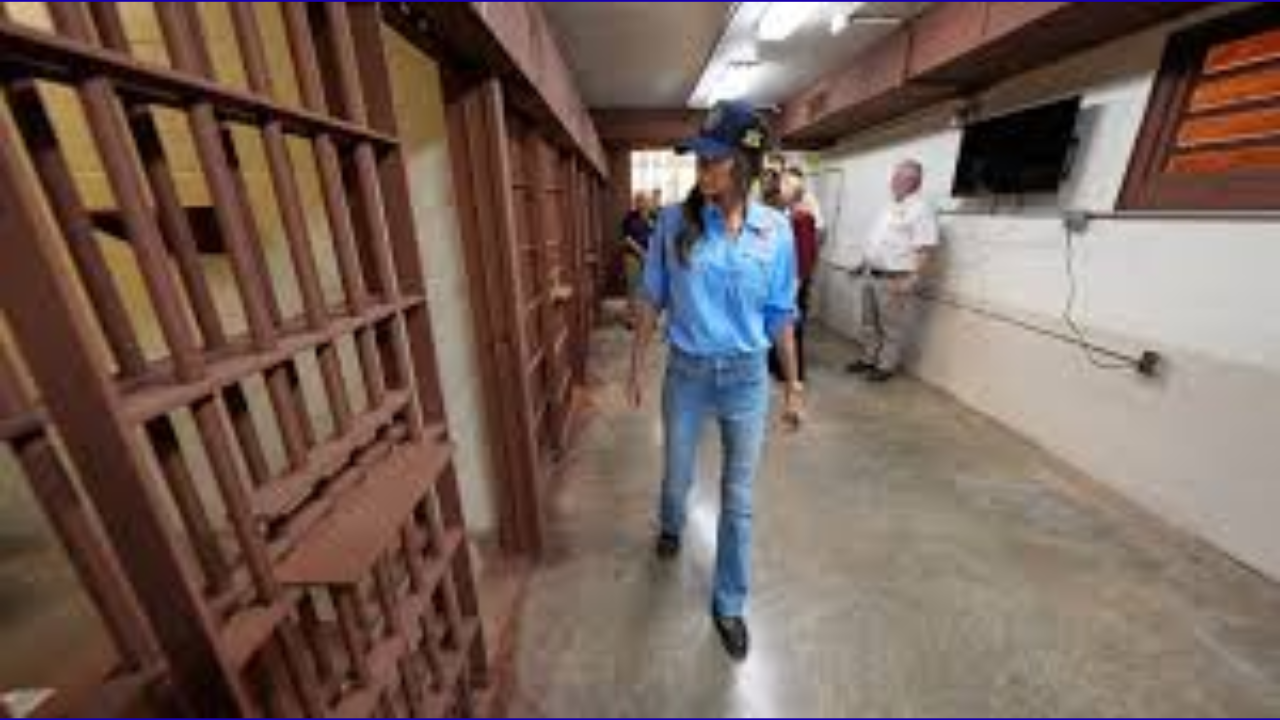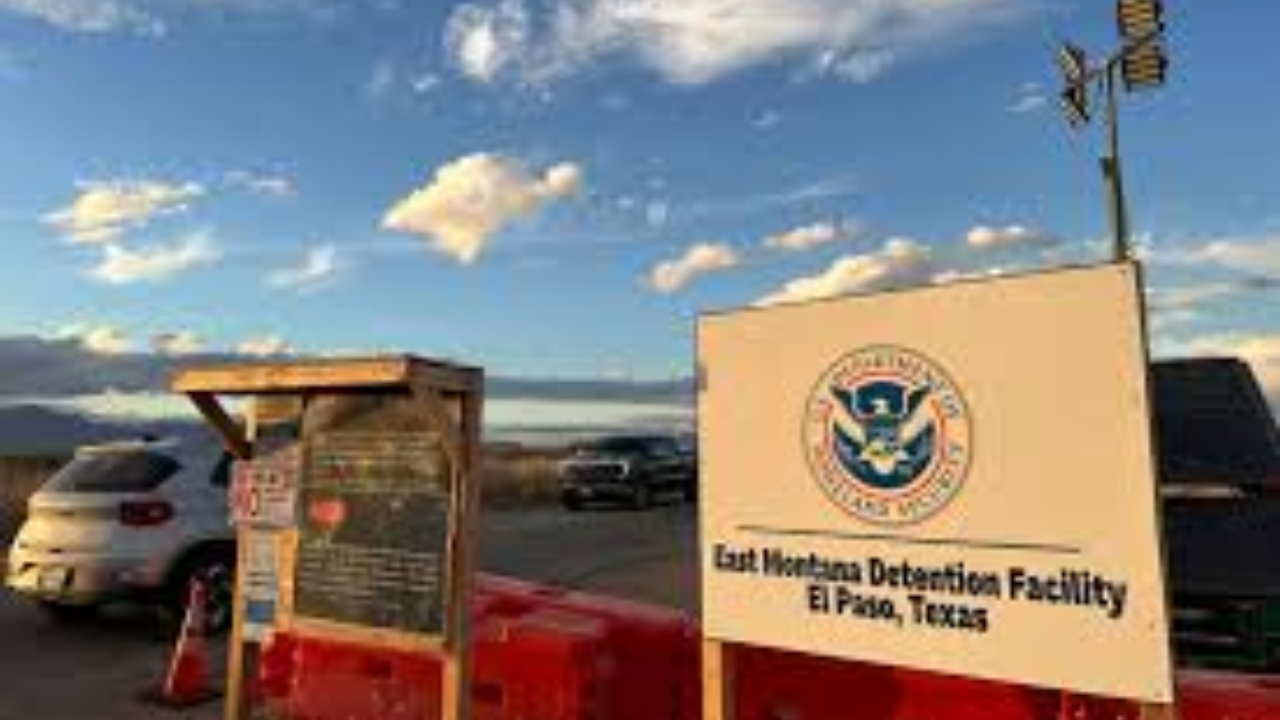
While the facility in the Chihuahuan Desert was designed to manage a surge in migration, internal records and emergency calls suggest it has transformed into a site of profound human suffering. What was built as a temporary solution is now being described by those inside as an environment far harsher than a criminal prison.
Thank you for reading this post, don't forget to subscribe!A Pattern of Crisis: By the Numbers
The reality of the camp is perhaps best captured by the frequency of emergency intervention. In its first 150 days of operation, the facility averaged nearly one 911 call every single day.
- Medical Distress: Dispatch logs reveal constant reports of seizures, unconsciousness, and respiratory failure.
- A “Homicide” in Custody: The death of 55-year-old Geraldo Lunas Campos stripped away the veneer of “medical distress.” A medical examiner’s ruling of homicide by asphyxia suggests a fatal level of force used during guard restraints.
- The Psychological Toll: Perhaps most chilling are the allegations of guard cruelty. Reports indicate that some staff allegedly treated the mental health crisis inside as a game, placing bets on the next suicide attempt.
Systemic Neglect and Substandard Living
The investigation paints a picture of a facility that fails to meet even basic human standards.
- Maternal & Infant Health: Emergency calls have documented pregnant women in severe pain and infants with dangerously low oxygen levels, highlighting a lack of specialized pediatric or prenatal care.
- Sanitation & Food: Detainees consistently report being served food that is either still frozen or infested with insects.
- The “Black Box” of Oversight: While a 2025 inspection reportedly found over 60 violations of federal standards, the full report remains shielded from public view, making external accountability nearly impossible.