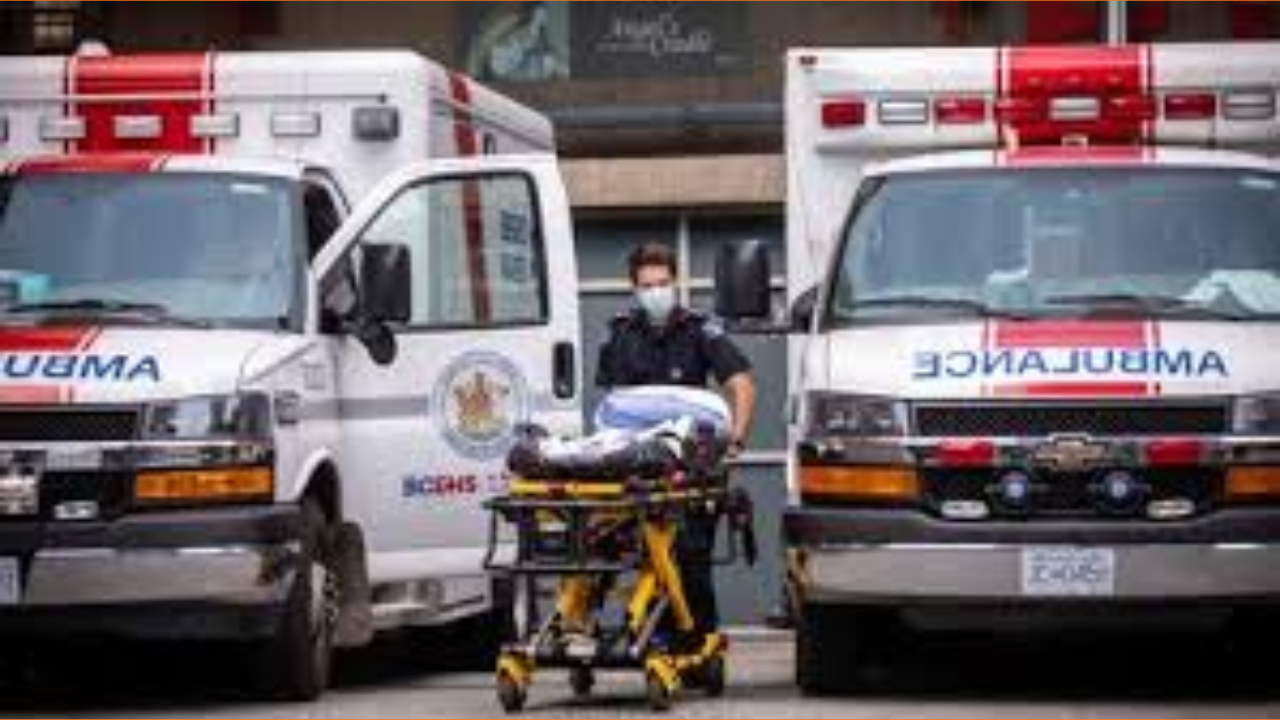
RICHMOND, B.C. – Frontline healthcare workers are sending a clear message to the provincial government. On February 18, 2026, the union representing over 6,000 B.C. paramedics and emergency dispatchers (APBC-CUPE 873) announced an overwhelming 97% vote in favor of strike action.
Thank you for reading this post, don't forget to subscribe!The Current Standstill
Despite the strong mandate, a strike is not yet underway. Under provincial labor law, ambulance services are classified as critical, meaning a legal strike position cannot be reached until an Essential Services Order is established.
Why the Impasse?
Union President Jason Jackson stated that the government’s latest offer “falls short” of addressing the critical pressures facing the service. Key demands include:
- Mental Health Support: Urgent intervention for workers facing a profound burnout and mental health crisis.
- Staffing & Retention: Solutions for chronic understaffing, particularly in rural and Indigenous communities.
- Fair Compensation: Wage increases and overtime pay (pushing for double time) to match other public sector healthcare roles.
- Service Stability: Protections against contracting out services to private providers.
Timeline of Next Steps
- February 19, 2026: The union is holding a news conference this afternoon in Richmond to provide an update on negotiations and outline “next steps.”
- Job Action Strategy: If an agreement is not reached, the union is expected to start with “work-to-rule” measures—such as refusing overtime—rather than a full walkout, to minimize the immediate risk to patients.