Australia has enacted a landmark law to protect the mental health and well-being of its children by restricting access to major social media platforms.
Thank you for reading this post, don't forget to subscribe!Key Facts of the Ban
| Detail | Description |
| Legislation | Online Safety Amendment Bill, passed in November 2024. |
| Effective Date | December 10, 2025. |
| Restriction | Bans social media account-holding for children under 16 years old in Australia. |
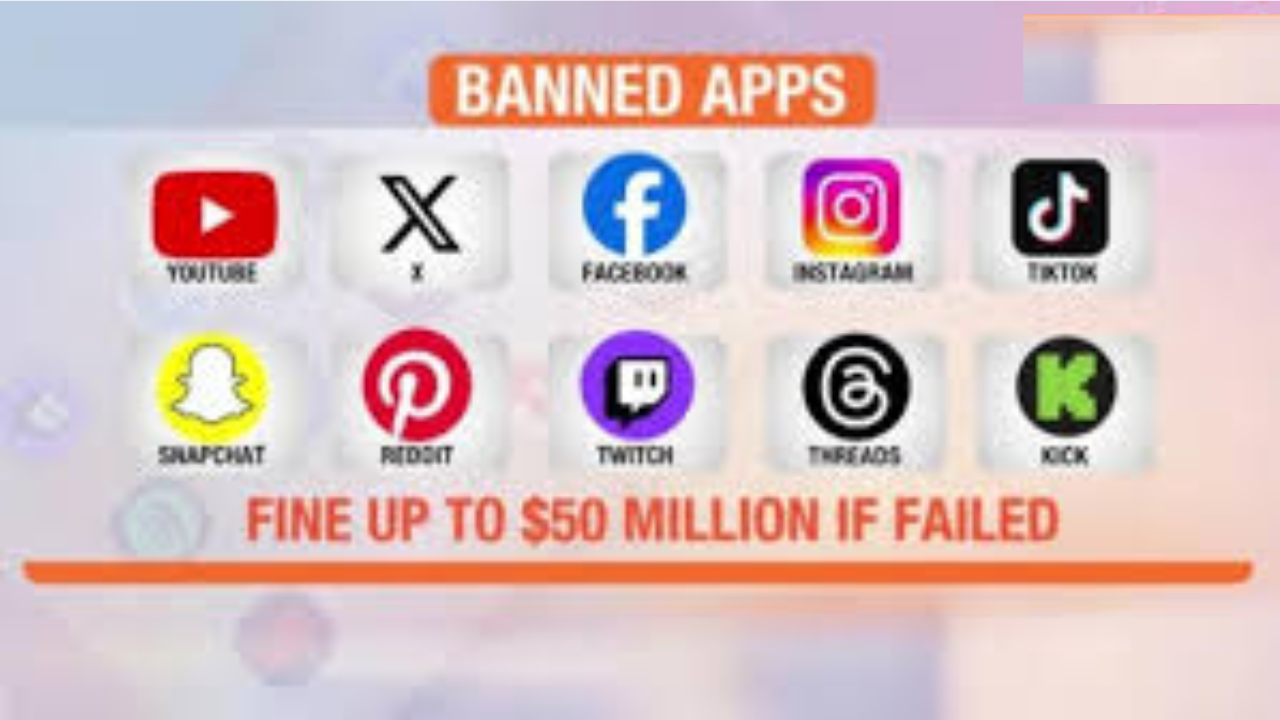
| Penalty for Companies | Fines of up to A$50 million for failure to comply. |
| Core Rationale | To address growing concerns over mental health, citing: cyber bullying, online harassment, and exposure to harmful or age-inappropriate content. |
| Affected Platforms | Major social media services like TikTok, Instagram, Facebook, YouTube, Snapchat, X, Reddit, Threads, Twitch, and Kick are restricted. |
| Exemptions | Services like YouTube Kids, Messenger Kids, WhatsApp, and educational platforms are generally exempt. |
How Companies Are Enforcing the Ban
The responsibility for enforcement—and the penalty for failure—falls entirely on the social media companies. They are required to take “reasonable steps” to verify user ages and prevent minors from creating or keeping accounts.
Age verification methods being implemented or explored include:
- Document Uploads: Requiring a scan of government-issued photo ID.
- Biometric Scans: Using live video selfies or facial age estimation technology.
- Third-Party Verification: Using services like ConnectID (bank-verified age checks).
- Behavioral Analysis: Estimating age based on user activity.
Global Reaction and Opposition
The world-first blanket ban is drawing significant international attention, but it is not without controversy:
- Global Interest: Other countries, including Denmark (planning restrictions for under-15s), Norway, and Malaysia, are actively studying or considering similar restrictions.
- Internal Opposition: The move faces a constitutional challenge by teenagers in New South Wales who argue it infringes on their freedom of expression and participation in civic life.
- Tech Industry Pushback: Companies have voiced opposition, arguing that the ban is too strict, compromises user privacy with intrusive age-verification checks, and could push children toward less-regulated online spaces.
- UNICEF’s View: The UN Children’s Fund (UNICEF) cautions that age-related bans alone may not keep children safe and risks pushing them onto unmonitored platforms, advocating instead for platform design improvements and a broader safety approach.
The law requires affected platforms to deactivate existing under-16 accounts. Some platforms, like Snapchat and Meta (for Facebook/Instagram), have offered users the option to download their data or “freeze” their accounts until they turn 16.