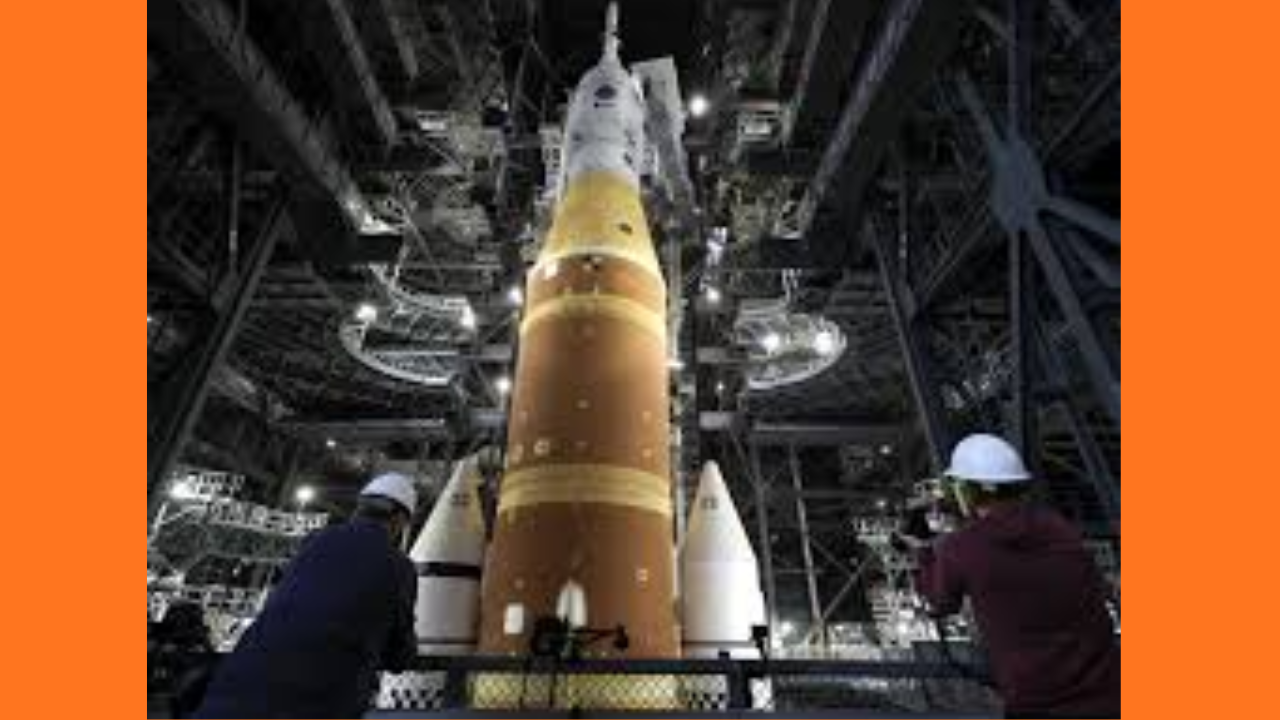
The Moon will have to wait just a little longer. NASA has confirmed that a technical glitch involving helium flow on the Space Launch System (SLS) rocket has effectively grounded the Artemis II mission for March, pushing the historic crewed flight into April 2026.
Thank you for reading this post, don't forget to subscribe!What Went Wrong?
During final checks at the pad, engineers identified a drop in pressure within the rocket’s upper stage.
- The Issue: An interruption in the flow of pressurized helium.
- The Role of Helium: It acts as the “circulatory system” for the rocket, purging lines and keeping propellant tanks pressurized. Without it, the engines won’t fire safely.
- The Solution: The issue is located in a spot that can’t be fixed on the launch pad. The 322-foot rocket must be rolled back to the Vehicle Assembly Building (VAB) for repairs.
The Human Element
The crew—Wiseman, Glover, Koch, and Hansen—were literally “bags packed.”
- Quarantine Interrupted: The astronauts had just entered their pre-flight medical isolation on Friday.
- The “Go” Signal: They have since been released from quarantine to spend time with their families while NASA resets the clock.
Revised Launch Windows
Because lunar missions depend on precise “launch windows” (where the Moon and Earth align perfectly), NASA is now targeting:
- Primary Target: April 1–6, 2026.
- Contingency: Late April 2026.