As 2025 draws to a close, Beijing is signaling a newfound confidence. After weathering a disruptive first year of the second Trump administration, China has transitioned from a defensive posture to positioning itself as the primary reformer of the global institutional order.
Thank you for reading this post, don't forget to subscribe!1. The “Busan Truce” and Peer Status
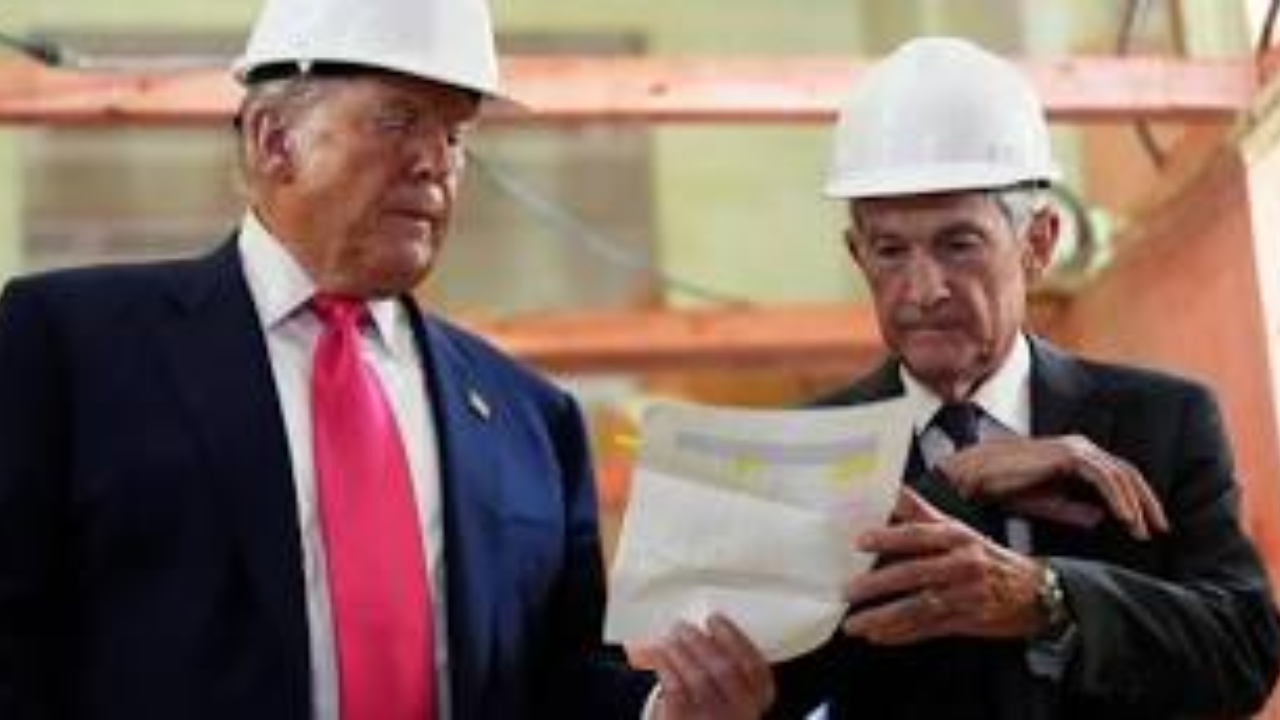
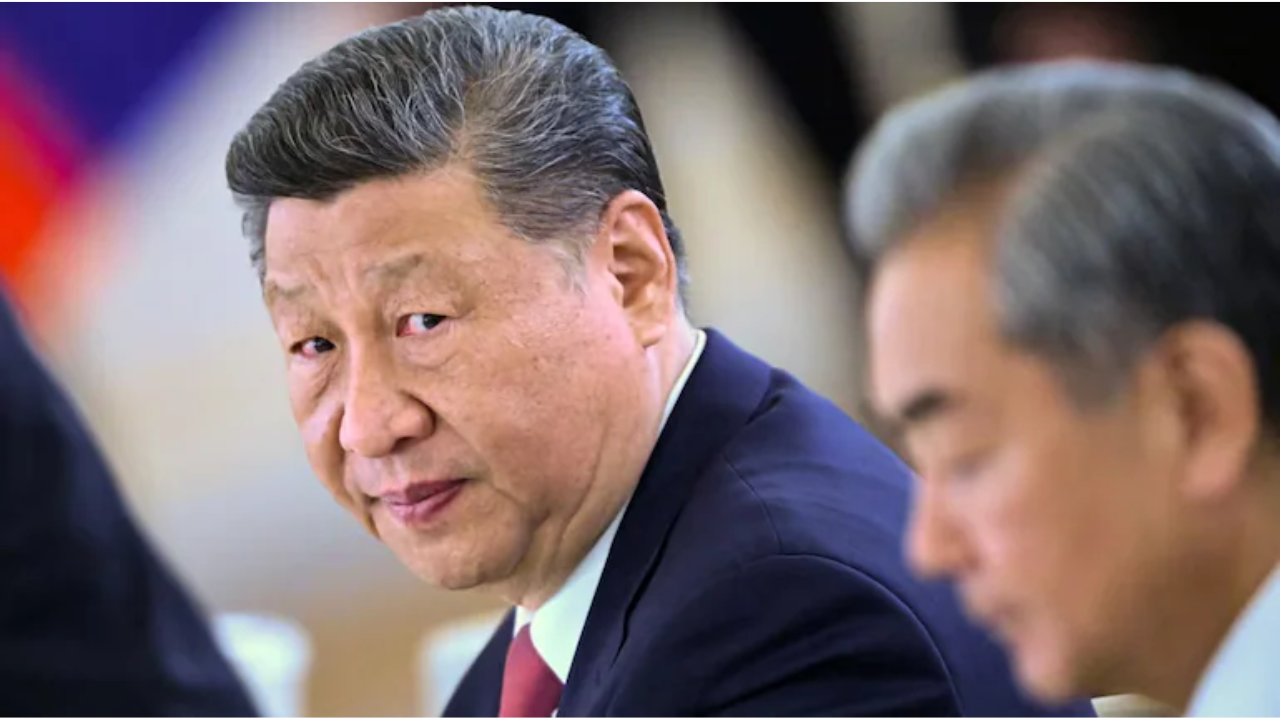
The October 30 truce in Busan between Presidents Xi and Trump was a watershed moment. By securing a year-long pullback in economic hostilities, Beijing effectively signaled to the world that it can look Washington in the eye as a peer power. * The “Points” Lead: While neither side achieved a knockout, Beijing is “ahead on points” by maintaining trade resilience.
- Reduced Dependency: China successfully dropped its export reliance on the US from 19.2% (2018) to 14.7% (2024), giving it the leverage to escalate or de-escalate on its own terms.
2. Diplomacy: Filling the Vacuum
With the US grappling with isolationist impulses, China is aggressively courting the “Global South” and its neighbors:
- Xi Jinping Thought on Diplomacy: Recent declarations suggest Beijing views its agenda as “global,” aimed at the “future and destiny of humanity.”
- Peripheral Engagement: Following the fallout from “Liberation Day” tariffs, China launched its first Central Conference on Peripheral Work to structurally tie Indo-Pacific nations closer to the Chinese economy.
3. The Economic Report Card
Despite diplomatic wins, China’s “engine” shows signs of internal strain. Beijing’s ability to lead the global order hinges on whether it can fix its domestic foundation.
| Metric | Current Status | The Challenge |
| Trade Surplus | Hit record $1 trillion (Jan-Nov 2025) | Heavy reliance on external demand amid rising protectionism. |
| Consumption | Remains the priority for 2026 | Requires difficult structural shifts in wealth distribution. |
| Real Estate | Home sales fell 19% year-on-year | Prolonged sluggishness continues to drag on growth. |
| Private Sector | Investment remains in decline | A “crisis of confidence” persists despite outreach to tech leaders. |
Looking Ahead: The 15th Five-Year Plan
As the Year of the Fire Horse begins, the 15th Five-Year Plan will be the ultimate test of “policy coherence.” Great power competition is no longer just about trade—it is about which system can stabilize its own house first.
The Bottom Line: Beijing has proven it can survive American pressure; now it must prove it can fix its own internal “involution” (destructive competition) to truly lead the 21st century.