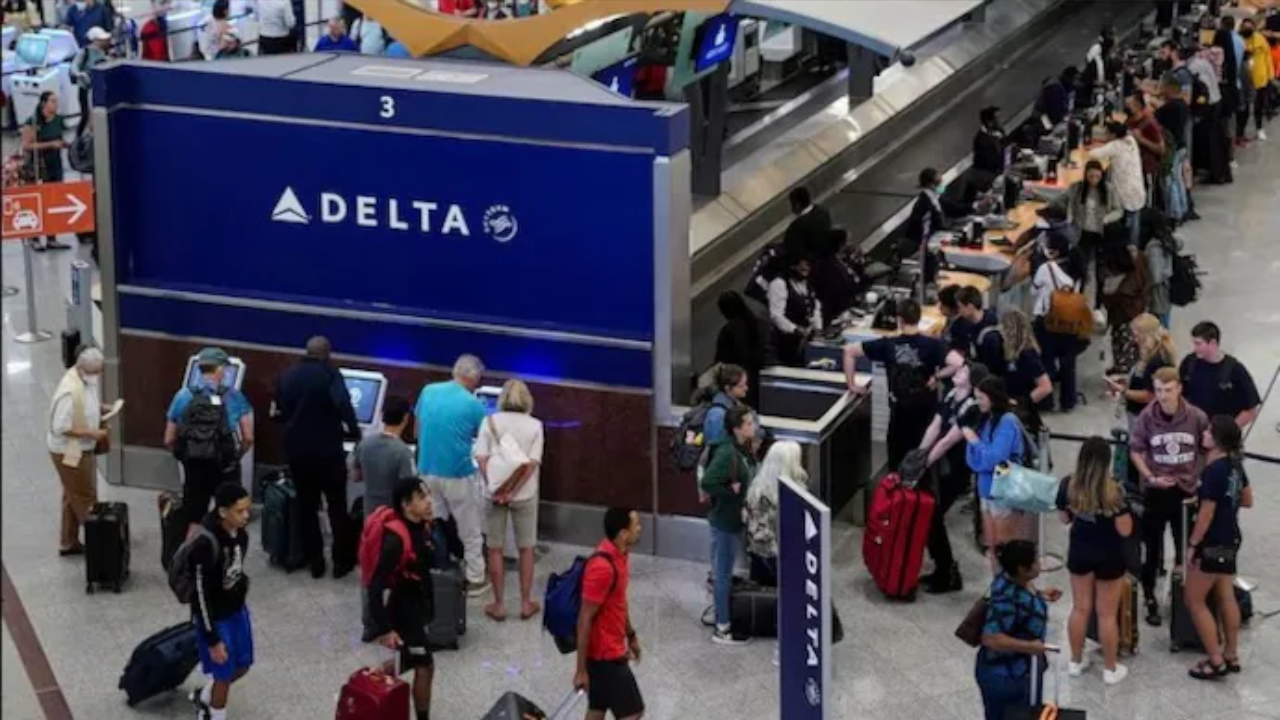
Flight delays across the U.S. have soared past 5,600 as the federal government shutdown reached its 27th day, deepening the turmoil for American air travelers. The core problem is severe staffing shortages, with air traffic controller absences surging because these essential workers must continue working without pay.
Thank you for reading this post, don't forget to subscribe!The ripple effect has been felt nationwide:
- The Federal Aviation Administration (FAA) was forced to impose ground delay programs at major hubs, including Newark Airport (New Jersey), Austin Airport (Texas), and Dallas Fort Worth International Airport.
- Flights in the Southeast also experienced delays due to significant staffing absences at the Atlanta Terminal Radar Approach Control.
The Unpaid Workforce
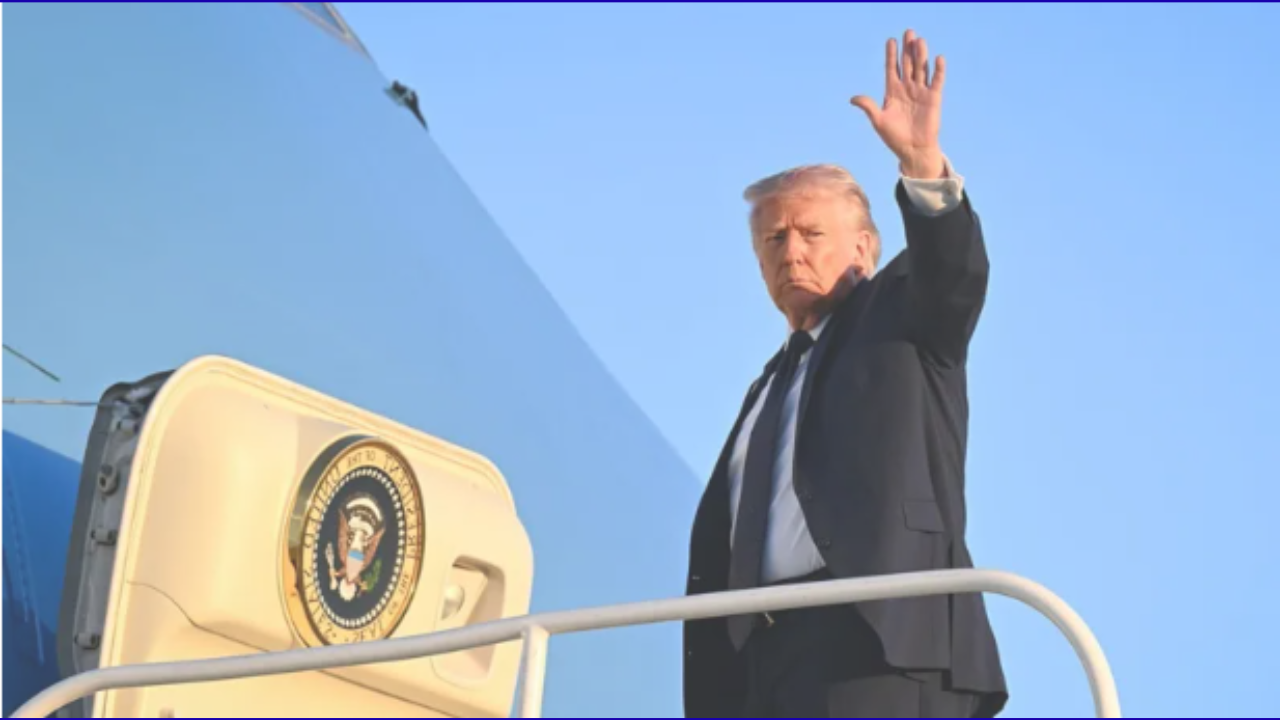
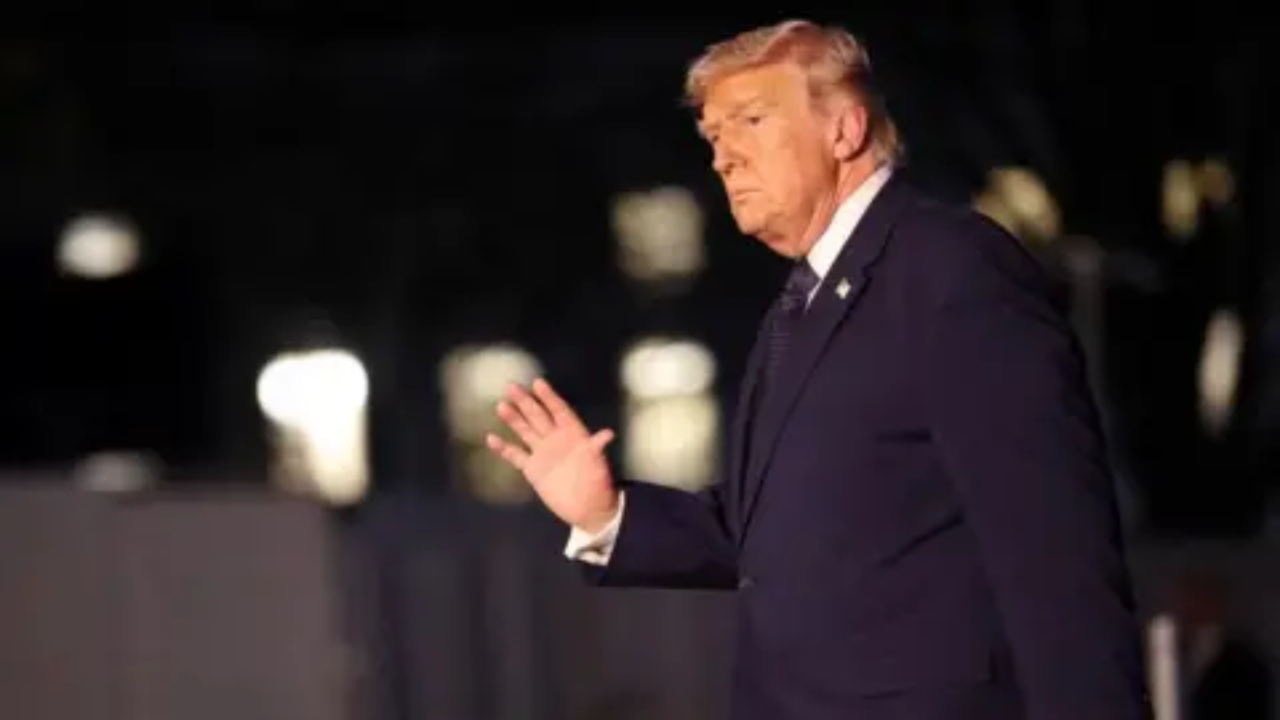
Approximately 13,000 air traffic controllers and 50,000 TSA officers are working unpaid, caught in a budget impasse between President Donald Trump and congressional Democrats. Delays are expected to worsen, as controllers are set to miss their first full pay cheque on Tuesday, a critical point the Trump administration has warned will increase disruptions.
The mounting pressure on the system is clear from the weekend’s delay numbers:
| Airline | Sunday’s Delayed Flights | Monday’s Delayed Flights (as of 7:00 p.m. ET) |
| Southwest Airlines | 47% (2,089 flights) | 31% |
| American Airlines | 36% (1,277 flights) | 24% |
| Delta Air Lines | 21% (725 flights) | 18% |
| United Airlines | 27% (807 flights) | 12% |
A U.S. Department of Transportation official noted that 44% of Sunday’s delays stemmed from controller absences—a drastic spike from the usual 5%. With the FAA already short by about 3,500 controllers, the shutdown is pushing an already strained aviation system toward a crisis.
What do you think is the biggest long-term risk to the aviation system from a prolonged shutdown?