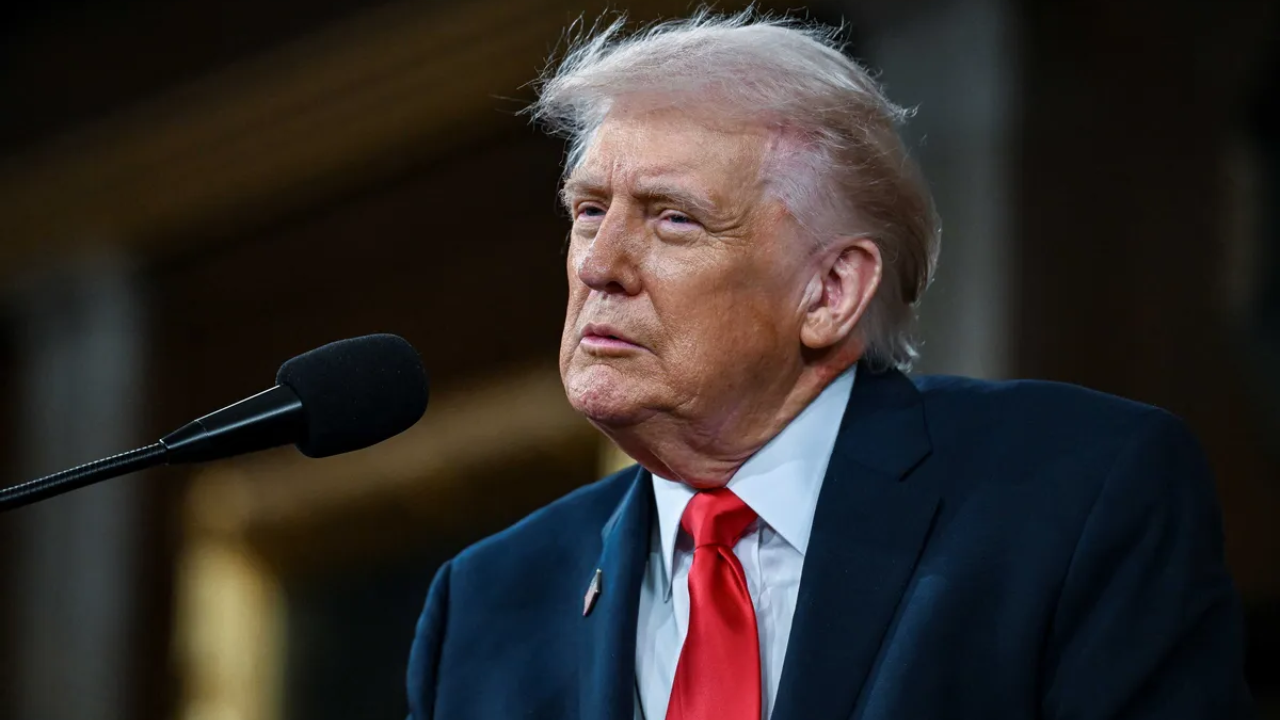
In a significant escalation of his foreign policy rhetoric, President Donald Trump has formally linked his interest in acquiring Greenland to his frustration over not receiving the Nobel Peace Prize. In a letter sent to Norwegian Prime Minister Jonas Gahr Støre on January 19, 2026, Trump suggested that the lack of international recognition has freed him from the constraints of traditional diplomacy.
Thank you for reading this post, don't forget to subscribe!The “Peace vs. Expansion” Ultimatum
Key takeaways from the letter:
- The “8 Wars” Claim: Trump asserted he has “stopped 8 wars PLUS,” though he did not provide a specific list of these conflicts.
- Release of Obligation: He explicitly stated that because Norway (the host of the Nobel Peace Committee) did not grant him the prize, he no longer feels a “moral requirement” to pursue purely peaceful resolutions regarding territorial disputes.
- National Interest First: Trump framed the potential seizure or purchase of Greenland as doing what is “good and proper” for the United States, regardless of international pushback.
A Growing Diplomatic Crisis
The letter has sent shockwaves through the European Union and NATO, particularly affecting Denmark, which holds sovereignty over Greenland.
| Point of Contention | Trump’s Stance | International Response |
| Sovereignty | Questions Denmark’s historical “right of ownership.” | Denmark maintains Greenland is not for sale and is a self-governing territory. |
| Security | Claims U.S. “protection” justifies acquisition. | NATO allies express concern over the stability of Arctic cooperation. |
| The Nobel Prize | Views the award as a transaction for diplomatic restraint. | The Nobel Committee traditionally does not comment on political pressure or specific nominations. |
What This Means for 2026
By tying a territorial dispute to a personal grievance over an award, the administration has signaled a highly unconventional approach to Arctic policy. Critics argue this undermines the rules-based international order, while supporters view it as a bold “America First” tactic to secure vital resources and strategic positioning in the North.