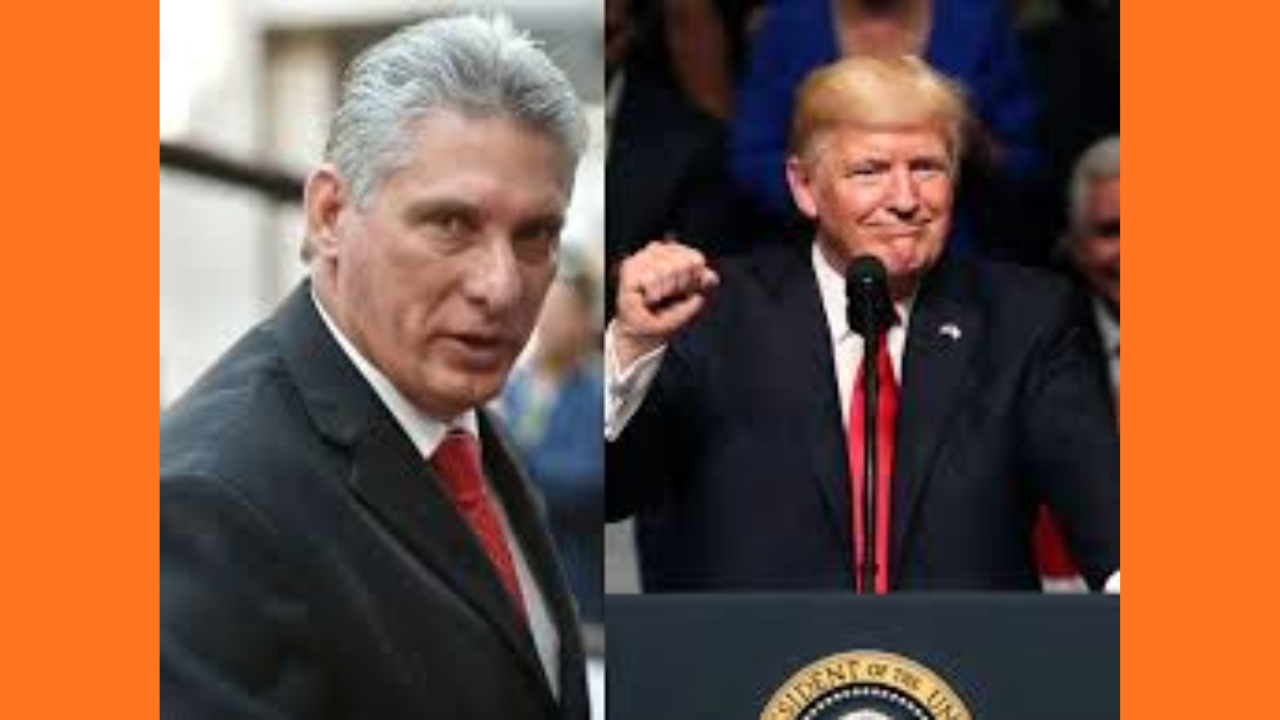
Cuban President Miguel Díaz-Canel has officially shut the door on negotiations with Washington following a series of aggressive threats from President Trump. The standoff marks a return to Cold War-style tensions after the U.S. successfully disrupted Cuba’s primary energy supply line from Venezuela.
Thank you for reading this post, don't forget to subscribe!The Conflict at a Glance
- The Ultimatum: Following the U.S. military operation in Venezuela on January 3, President Trump warned Cuba to strike a deal “BEFORE IT IS TOO LATE,” or face a total cutoff of Venezuelan oil and money.
- The Rejection: Díaz-Canel responded by asserting that Cuba is a “sovereign nation” and will not be intimidated. He clarified that no formal political talks are happening, citing a lack of mutual respect from the U.S.
- The Only Exception: The two nations are currently only communicating on technical migration issues to manage the flow of people between the island and the mainland.
Why It’s Happening Now
| Factor | Impact on Cuba |
| The “Venezuela Gap” | The loss of ~35,000 barrels of oil daily is causing widespread blackouts and fuel shortages across the island. |
| U.S. Leverage | Trump is using the collapse of the Maduro government to force Cuba into political concessions or a total change in leadership. |
| Economic Pressure | With the “lifeline” cut, Cuba’s economy is facing its most severe crisis since the 1990s. |
The Bottom Line
Díaz-Canel is prioritizing sovereignty over stability, signaling that Cuba would rather endure severe economic hardship than appear to surrender to U.S. pressure. Meanwhile, the Trump administration remains confident that the “Maximum Pressure” campaign will eventually force Havana to the table.