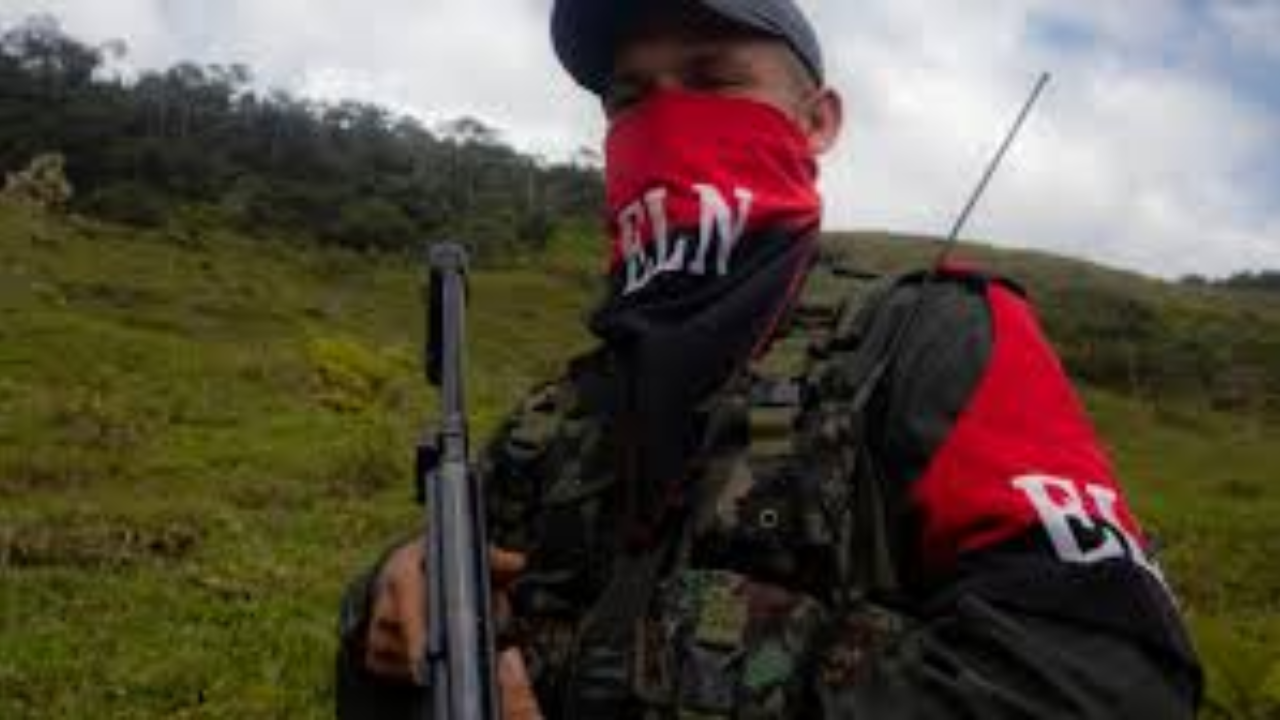
The recent U.S. operation against the Maduro administration has shattered the status quo along the 1,400-mile border between Colombia and Venezuela. For the ELN and FARC dissident factions, the removal of their primary state sponsor has replaced a decades-long “security umbrella” with a period of high-stakes volatility.
Thank you for reading this post, don't forget to subscribe!The Risks: A Shrinking Safe Haven
- Loss of State Complicity: Without Maduro’s direct protection, the institutional support from the Venezuelan military (FANB) is fracturing. Guerrilla groups now face the risk of being sold out by Venezuelan officers looking to negotiate their own immunity with the U.S.
- Intelligence Exposure: U.S. surveillance and “special operations” assets are now active in areas previously considered untouchable. Leaders like the ELN’s Antonio García are likely moving deeper into the jungle or back into Colombia to avoid being swept up in the U.S. dragnet.
- Internal Infighting: As the central government in Caracas weakens, the competition for control over gold mines and drug routes is intensifying. Rival factions may turn on each other to seize assets before a new Venezuelan administration can consolidate power.
The Opportunities: From Outlaws to “Liberators”
- The “Anti-Imperialist” Brand: The U.S. intervention allows the ELN and FARC to drop their image as common criminals and rebrand as “National Resistance” fighters. This narrative is a powerful recruitment tool for radicalized locals and former Venezuelan militia members.
- Territorial Expansion: In the absence of a functional Venezuelan state, these groups are stepping in to provide “governance” in rural areas. By acting as the de facto law, they secure local loyalty and control over the lucrative Arco Minero (Mining Arc).
- A Unified Front: The common threat of U.S. involvement is forcing historically rival factions to discuss a “Strategic Alliance.” If these groups stop fighting each other and focus on a shared insurgency, they could become a far more formidable regional threat.
Summary of the Shift
| Before U.S. Intervention | After U.S. Intervention |
| Status: Protected state proxies | Status: Targeted “International Terrorists” |
| Strategy: Stability and resource extraction | Strategy: Mobile insurgency and survival |
| Support: Maduro’s inner circle | Support: Grassroots “anti-imperialist” networks |