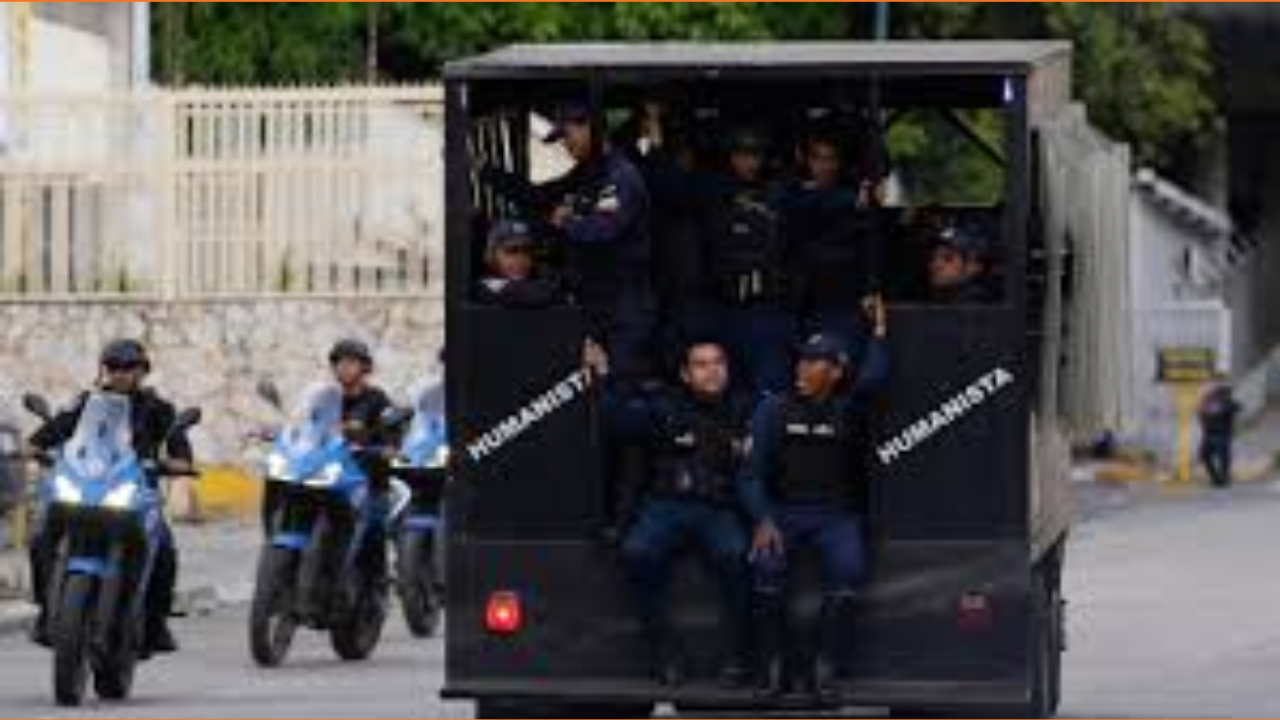
The Venezuelan government’s much-publicized prisoner release program is moving into its third day, but the reality on the ground remains one of frustration and uncertainty. While the governing council has framed the move as a humanitarian gesture toward national reconciliation, the slow trickle of releases has left hundreds of families waiting in agony outside prison gates.
Thank you for reading this post, don't forget to subscribe!The Current Landscape: By the Numbers
- Confirmed Releases: Roughly 18 individuals have been verified as free by the NGO Foro Penal.
- The Backlog: More than 800 political prisoners are still being held across the country’s various detention centers.
- The Timeline: The process began late Friday following intense diplomatic pressure from the United States after the Jan. 3 capture of former President Nicolás Maduro.
Key Figures Freed
The first 48 hours saw the release of several prominent individuals, including foreign nationals and veteran activists:
- Rocío San Miguel: The human rights defender, along with four other Spanish citizens, has safely departed for Madrid.
- Opposition Leaders: Biagio Pilieri and former presidential candidate Enrique Márquez were among the first high-profile politicians to be released.
- Diógenes Angulo: In a case that drew significant social media attention, the 19-year-old was freed after being detained for filming an opposition protest.
Strategic Context: Diplomacy and Oil
- U.S. Pressure: President Donald Trump has linked the releases directly to U.S. military presence in the region, suggesting that continued cooperation is the only way for the interim government to avoid further intervention.
- Energy Interests: Analysts believe the slow pace of the releases is a “calculated drip,” designed to keep the U.S. at the negotiating table regarding the future of Venezuela’s oil industry.
The Human Cost
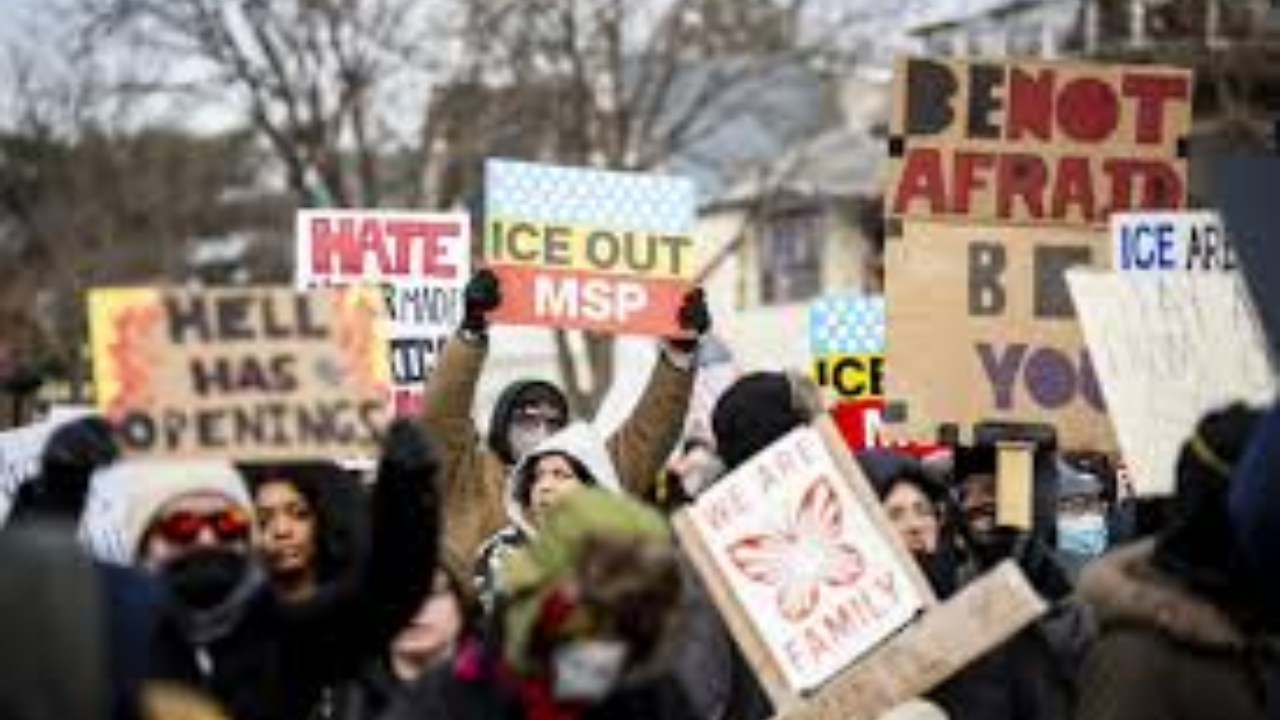
At facilities like El Helicoide and San Francisco de Yare, the atmosphere is one of “torturous waiting.” Families have reported spending multiple nights in the street, fearing that if they leave, they might miss their loved ones being walked to the gate. For many, the “goodwill” feels like a political game played with human lives.