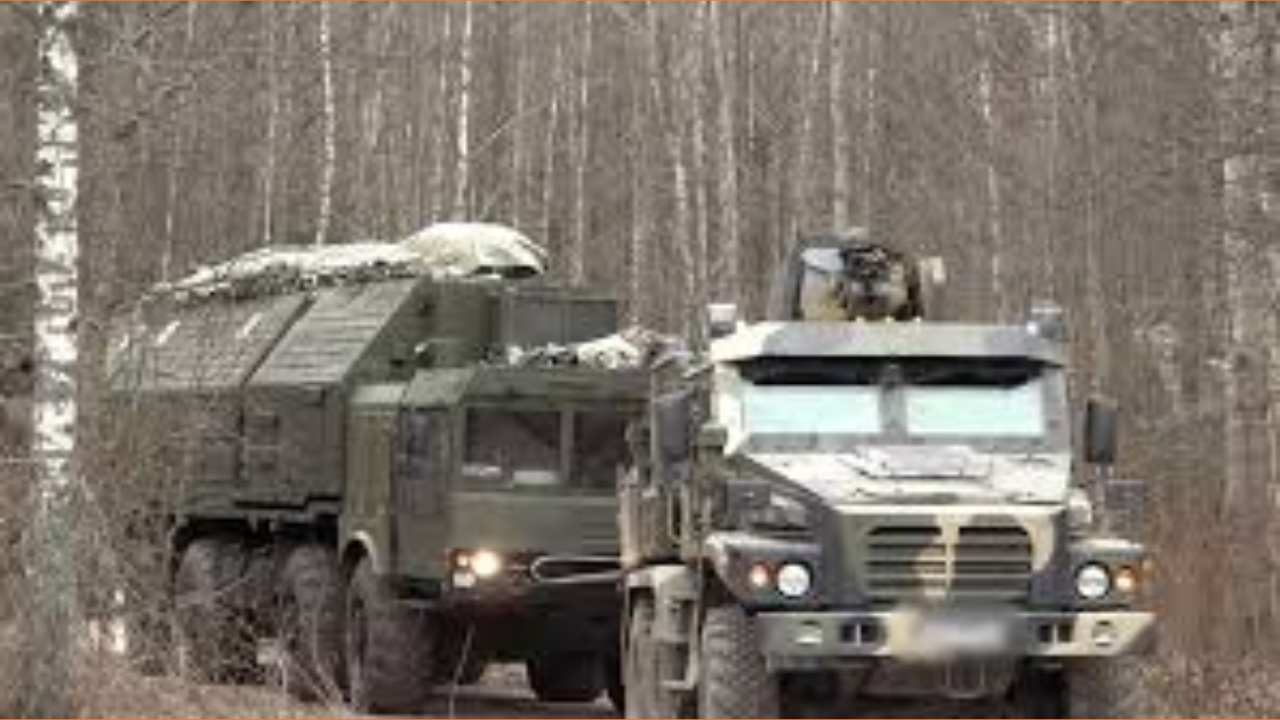
Russia intensified its military campaign against Ukraine by launching a massive coordinated attack involving over 240 drones and dozens of missiles. The centerpiece of this operation was the second combat use of the Oreshnik, a hypersonic intermediate-range ballistic missile (IRBM).
Thank you for reading this post, don't forget to subscribe!Key Developments and Impact
- Infrastructure Targets: While Russia claimed to target drone production sites, reports indicate the Oreshnik struck a critical underground natural gas storage facility in Stryi, located in the Lviv region near the Polish border.
- Humanitarian Toll: Separate strikes on Kyiv and surrounding areas resulted in at least four deaths and dozens of injuries. The damage to the energy grid has left thousands without heating or water in sub-zero temperatures.
- The “Residence” Pretext: Moscow characterized the strike as “retribution” for an alleged Ukrainian drone attack on a presidential residence in the Novgorod region. This claim has been flatly denied by both Kyiv and Washington.
Technical Profile: The Oreshnik Missile
The Oreshnik is designed to penetrate even the most advanced modern air defense systems through sheer speed and a unique delivery mechanism.
- Hypersonic Velocity: Reaching speeds of Mach 10, the missile descends from the atmosphere at such a high velocity that interceptors (like the Patriot system) have almost no window to lock on.
- Multiple Warheads (MIRVs): Instead of a single blast, the missile releases multiple sub-munitions that strike targets simultaneously, mimicking the effect of a “cluster” of kinetic strikes.
- Strategic Reach: With a range of up to 5,500 km, the system is viewed as a signal to NATO that Russia can strike any European capital with little to no warning.
Geopolitical Repercussions
“The use of an IRBM so close to the EU border is not just an attack on Ukraine; it is a clear attempt to intimidate the entire NATO alliance.” — Summary of Ukrainian Foreign Ministry statement.
International Response: Ukraine has called for emergency sessions of the UN Security Council and the NATO-Ukraine Council to address what they describe as a dangerous escalation in the nature of the conflict.