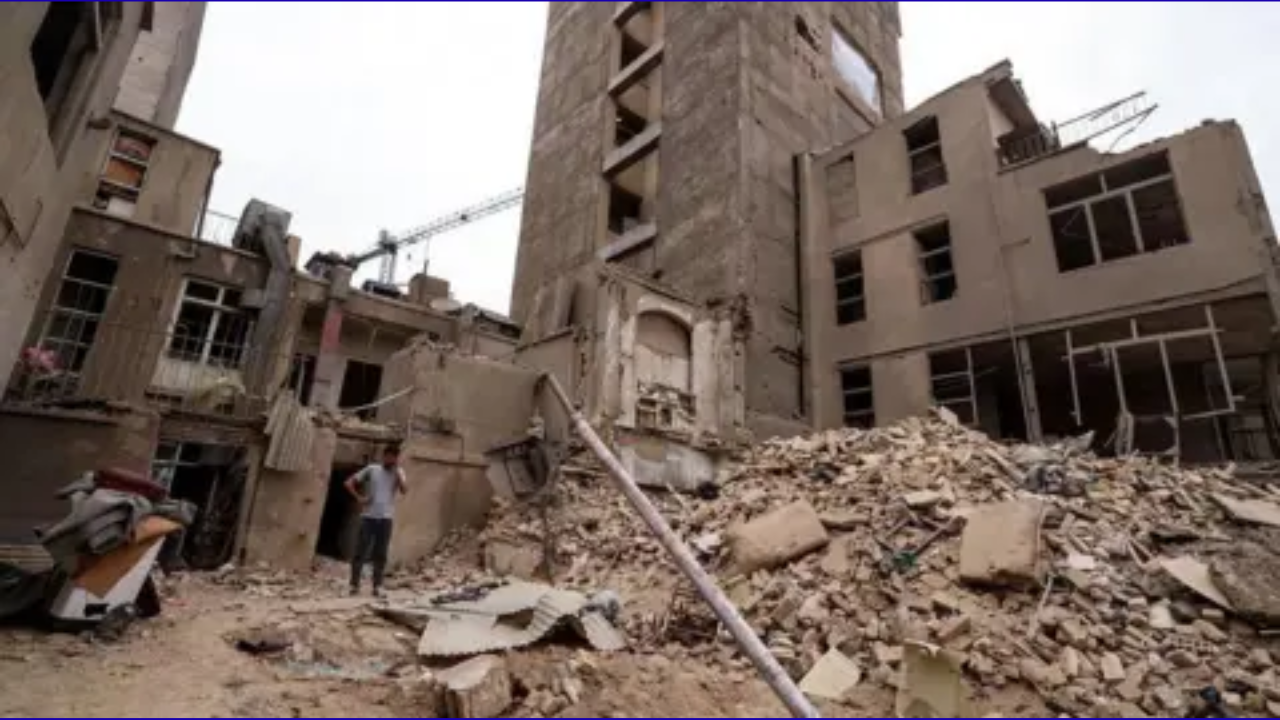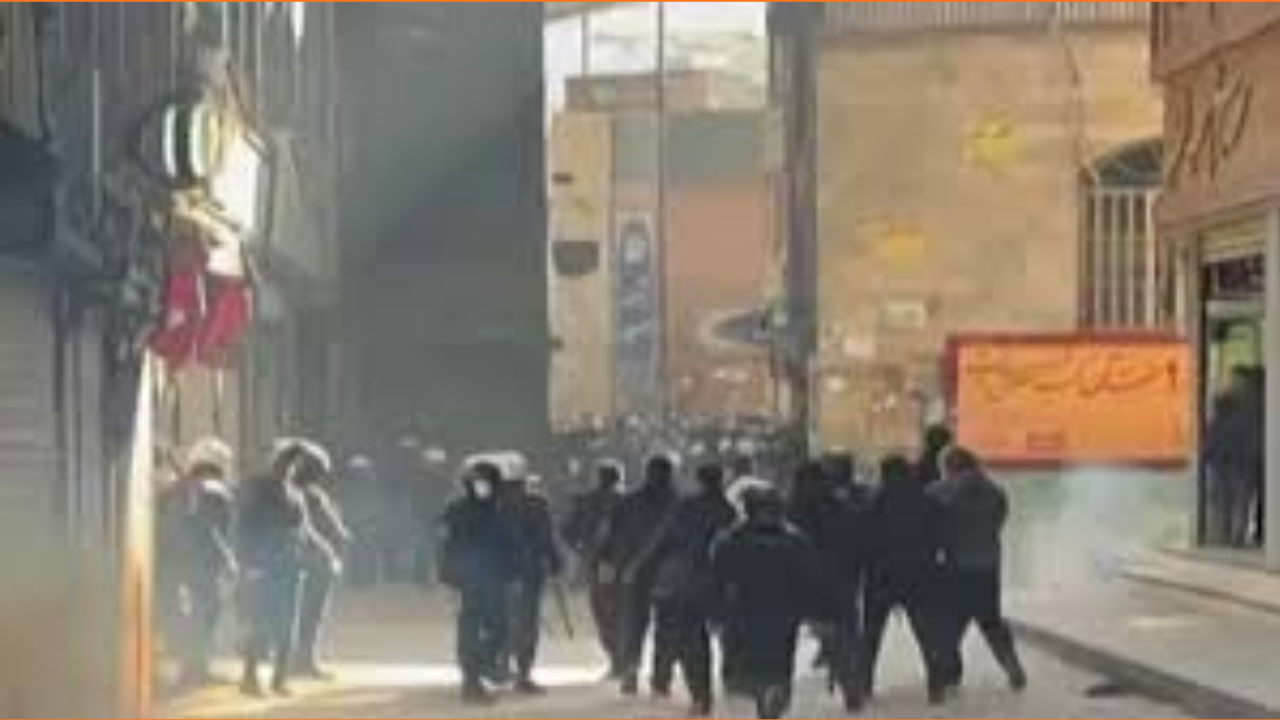
TEHRAN – The Iranian government has enforced a near-total communications blackout as citizens across all 31 provinces take to the streets. The escalation follows a mobilization call from exiled Crown Prince Reza Pahlavi, marking one of the most significant challenges to the regime’s authority in recent years.
Thank you for reading this post, don't forget to subscribe!The Great Blackout: A State-Ordered Silence
Starting late Thursday, January 8, 2026, network monitors reported a “catastrophic” drop in connectivity.
- Internet Access: Connectivity has plummeted to roughly 5% of normal levels, effectively disabling social media and messaging apps used for protest coordination.
- Phone Lines: Both mobile networks and international landlines have been severed, preventing news of the crackdown from reaching the global community.
- Official Stance: State media has dismissed the outages as “technical glitches” and “equipment failures,” a claim flatly rejected by international digital rights groups like NetBlocks.
A Unified Call to Action
The response has been historic. Despite the lack of digital tools, protesters have utilized “neighborhood-to-neighborhood” word-of-mouth strategies to gather in Tehran, Shiraz, and Kermanshah.
Casualties and Resistance
The humanitarian cost of the “January Uprising” continues to climb:
- Fatalities: Human rights organizations have confirmed at least 45 deaths, including several minors.
- Detentions: Over 2,000 individuals have been swept up in mass arrests across the country.
- Civil Disobedience: In Kurdish regions, general strikes have paralyzed commerce, while in Tehran, the sounds of “Death to the Dictator” echo from rooftops despite the heavy presence of security forces.
Global Eyes on Iran
The international community has reacted with stern warnings. The U.S. administration has cautioned Tehran against a “bloody crackdown,” while human rights groups are calling for the immediate restoration of the internet to ensure the safety of peaceful demonstrators.