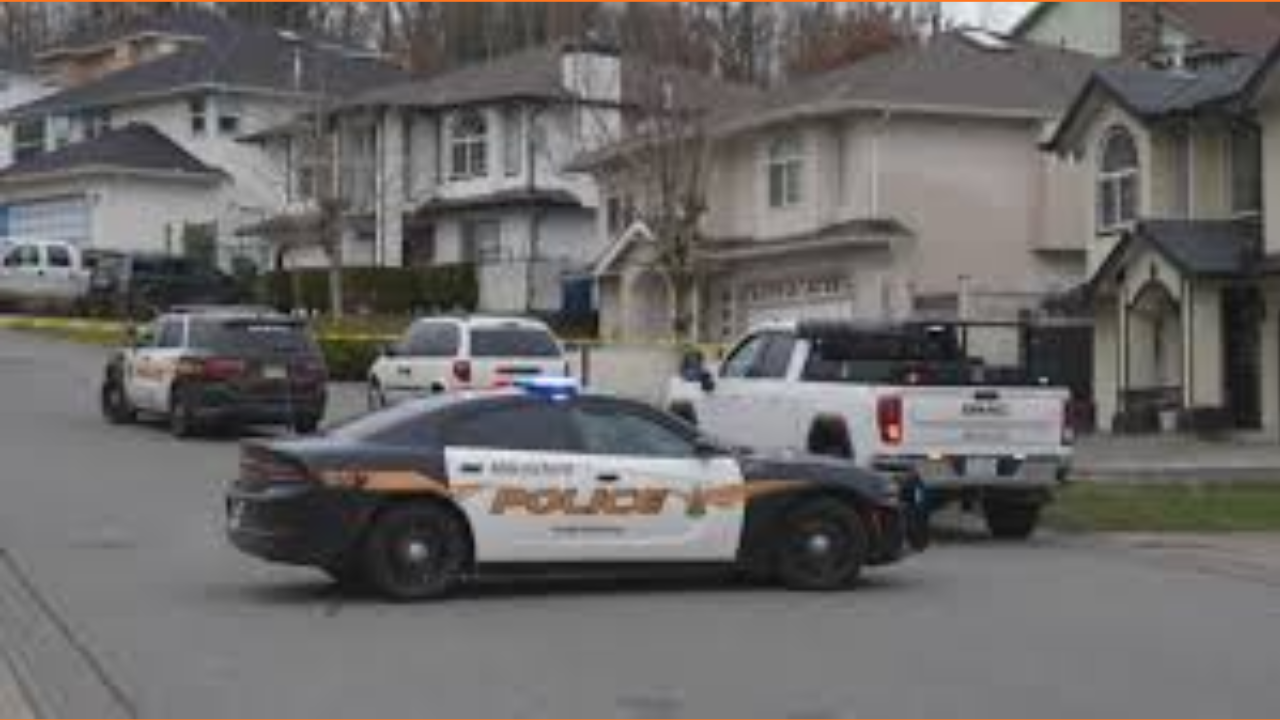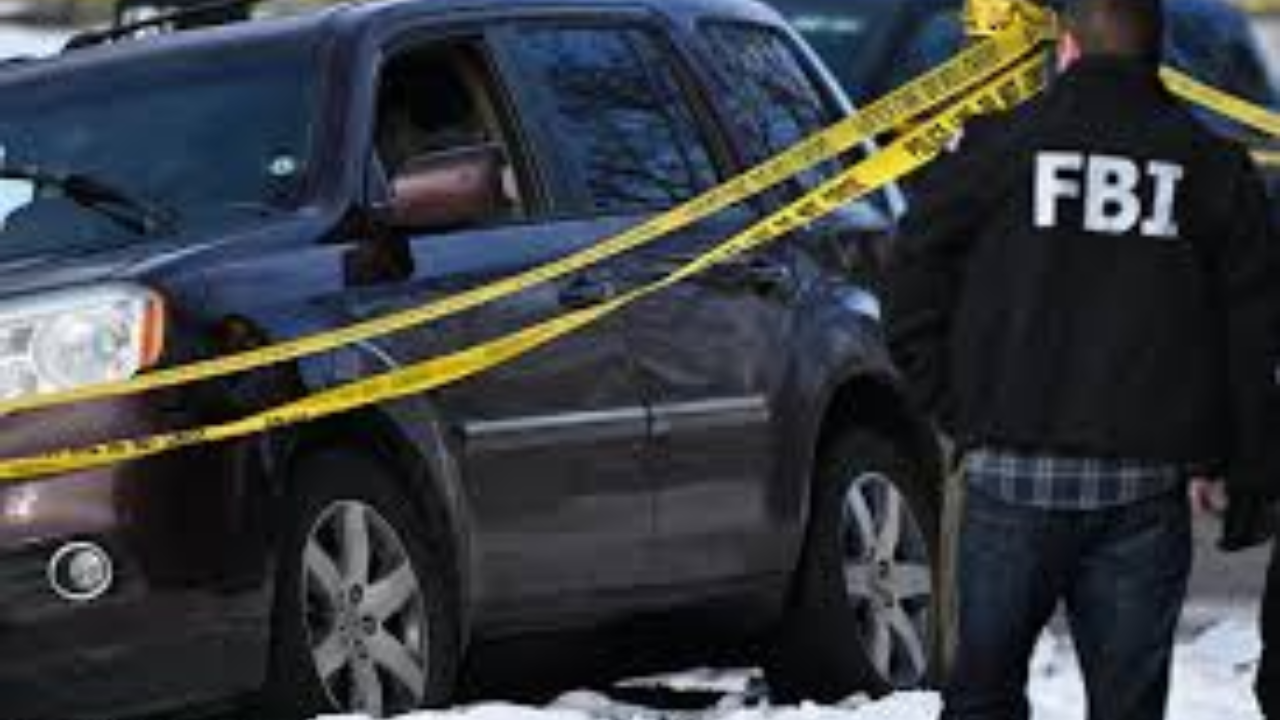
The ICE officer who fatally shot Renee Nicole Good in Minneapolis on January 7, 2026, has been identified as Jonathan E. Ross, a veteran with a deep background in high-stakes tactical operations. As federal investigations continue, Ross’s decades-long history in the military and law enforcement has become a focal point for both his defenders and his critics.
Thank you for reading this post, don't forget to subscribe!A Career in the Elite “Special Response Team”
- Military Background: Ross is an Iraq War veteran. Public records and images from his service show a history of combat-related experience.
- Marksmanship: Within DHS, Ross has been described as an “expert marksman,” a title reflecting his advanced training in precision shooting.
- ICE Tenure: With over 10 years at the agency, Ross was considered an “experienced” officer leading up to the events in Minneapolis.
The “Sensitivity” Defense: The June 2025 Incident
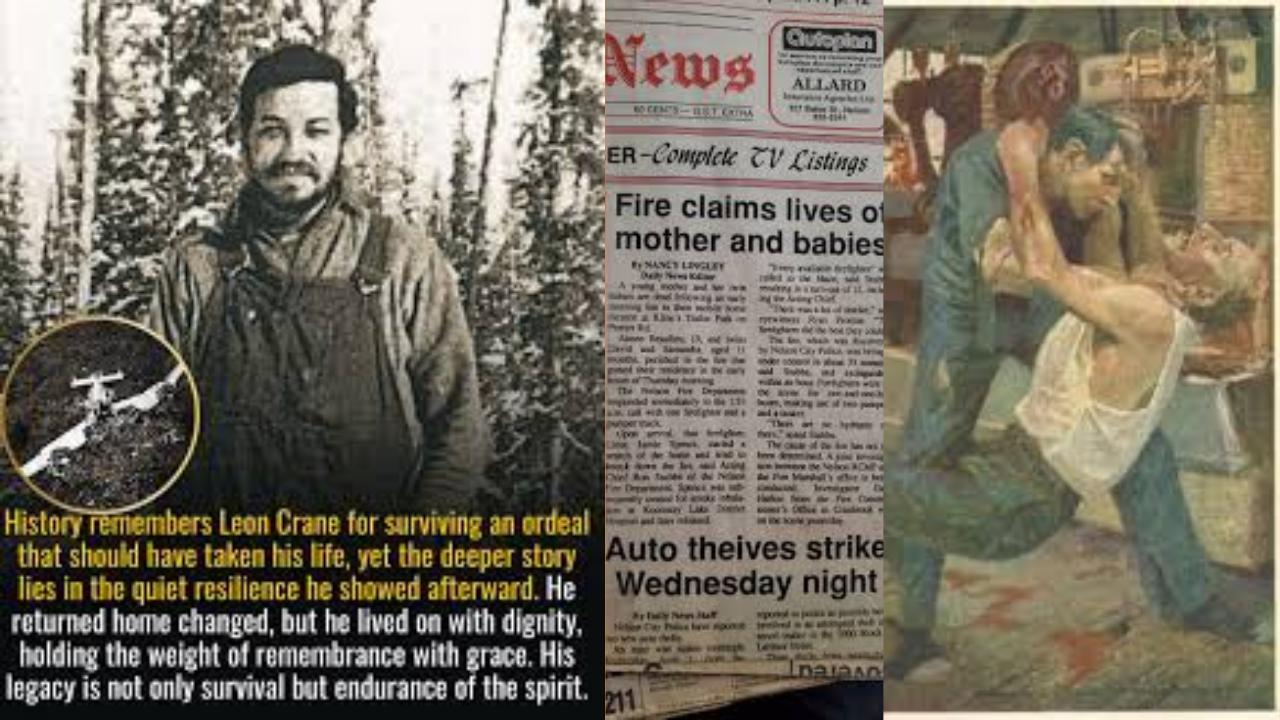
To understand the legal defense being prepared for Ross, many point to a violent encounter he survived just six months ago. In June 2025, while attempting an arrest in Bloomington, Minnesota, Ross was dragged nearly 100 yards by a suspect’s vehicle.
The incident left him with severe lacerations requiring 30 stitches. DHS Secretary Kristi Noem and other federal officials have highlighted this trauma, suggesting that Ross’s decision to fire on Renee Good was a defensive reflex born from his previous near-death experience with a fleeing vehicle.
Contradictions at the Scene
Despite his elite training, the shooting of Renee Good has raised questions about tactical discipline. While ICE maintains that Ross fired because Good was using her SUV as a weapon, several factors have complicated this narrative:
- Conflicting Commands: Witnesses report that agents on the scene gave Good contradictory orders—simultaneously telling her to move the vehicle and to exit it.
- Positioning: Video evidence reviewed by investigators appears to show Ross was not in the direct path of Good’s vehicle when he discharged his weapon through the windshield.
- Fatal Force: Good was struck in the face and died at the scene, leading to an immediate public outcry and calls for increased oversight of federal agents operating in local jurisdictions.
Comparison of Perspectives
| Perspective | Argument for Officer Ross | Argument Against Officer Ross |
| Federal Officials | Acted in self-defense based on past trauma and an “active threat” from the SUV. | Overreacted to a non-lethal threat; failed to follow de-escalation protocols. |
| Eyewitnesses | Claim the SUV was moving toward the officers. | State the officer was to the side and the driver was confused by shouted orders. |
| Training Records | His status as an “expert marksman” suggests intentional, calculated action. | Elite SRT training should have provided him with alternatives to lethal force. |