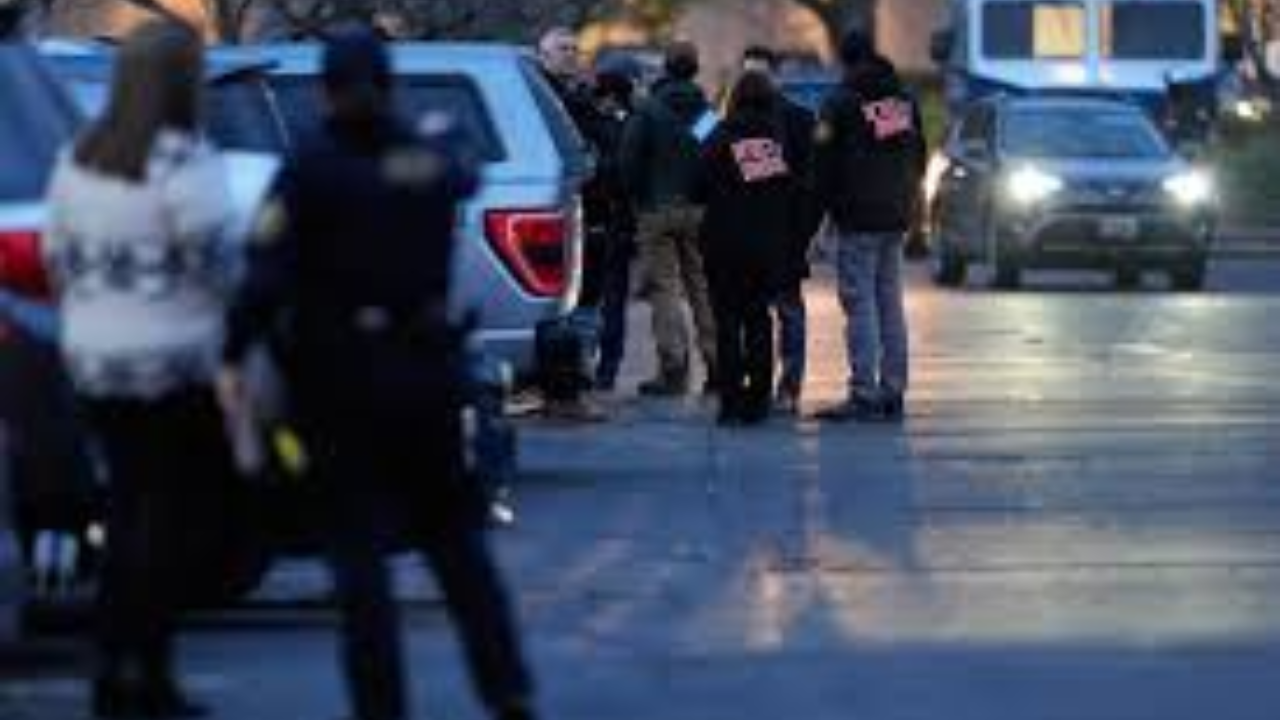
On January 8, 2026, a federal enforcement operation in East Portland escalated into a shooting that left two people wounded. The incident has intensified a national debate over federal immigration tactics and sparked immediate pushback from Oregon leadership.
Thank you for reading this post, don't forget to subscribe!The Confrontation
- The Target: U.S. Border Patrol agents were attempting to stop a vehicle carrying a passenger suspected of ties to the Tren de Aragua gang.
- The Escalation: DHS officials claim the driver “weaponized” the vehicle by attempting to ram agents.
- The Shooting: At least one agent opened fire, striking two occupants before the vehicle fled the scene.
Aftermath and Medical Response
The wounded individuals—a man and a woman—were located by Portland Police approximately two miles away in a residential neighborhood. Officers provided emergency first aid, including the use of tourniquets, before the pair was hospitalized. As of the latest reports, both individuals are alive.
Political and Local Backlash
The shooting has caused a significant rift between federal agencies and Portland city officials:
- Demand for Suspension: Mayor Keith Wilson and the City Council have formally requested that ICE and DHS suspend all local operations pending a full investigation.
- Concerns of Militarization: Local leaders have criticized the “militarized” nature of the stop, noting that it occurred in a high-traffic area near a medical center.
- Federal Oversight: The FBI is currently leading the investigation into the use of force by the federal agents involved.
Context: This event follows a similar fatal shooting by federal agents in Minneapolis just 24 hours prior, contributing to a spike in protests and civil unrest across several U.S. cities.