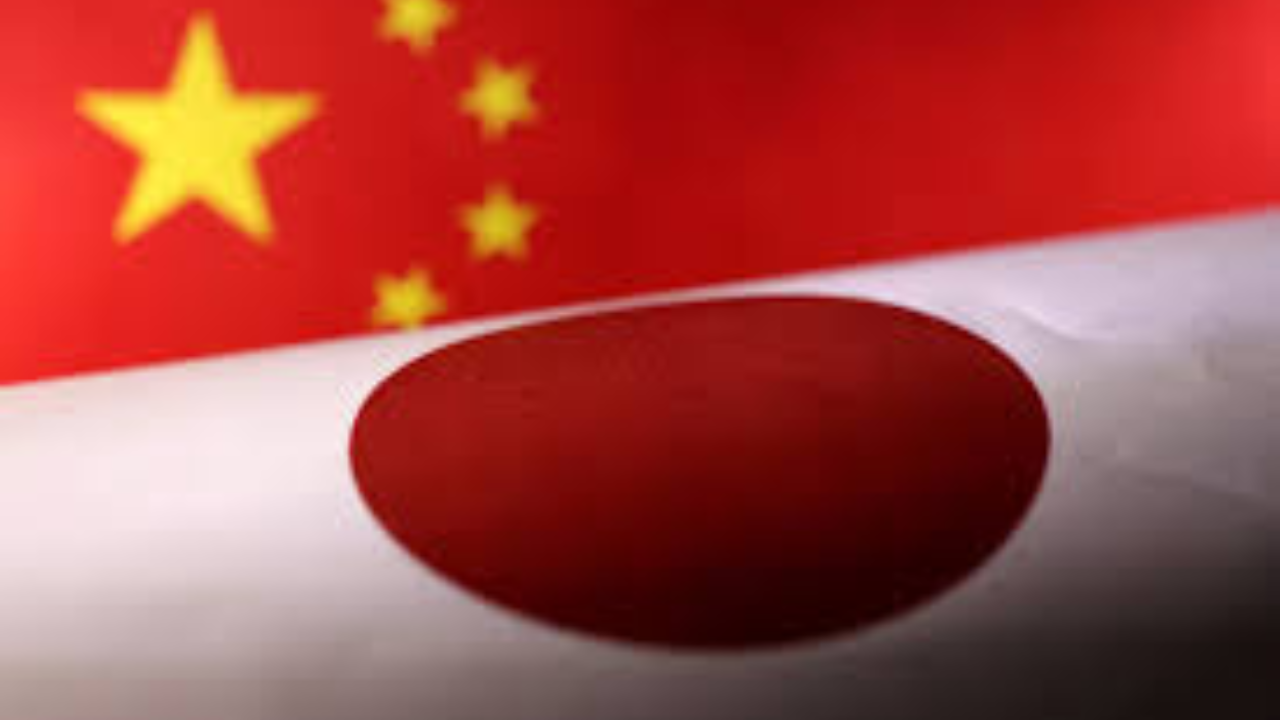
Following several days of market uncertainty, China’s Ministry of Commerce (MOFCOM) has clarified that its recent restrictions on “dual-use” exports to Japan are targeted specifically at military entities, rather than the broader civilian economy.
Thank you for reading this post, don't forget to subscribe!1. Targeted Scope: Military vs. Civilian
The Ministry emphasized that the new regulations are not intended to be a blanket embargo. Instead, they focus on preventing items with both civilian and military applications from being used to bolster Japan’s defense capabilities.
- Civilian Exemption: Exports for traditional manufacturing, consumer electronics, and automotive production will proceed normally, provided the end-user is verified as non-military.
- The “Blacklist”: Shipments to Japanese defense contractors and organizations linked to the Self-Defense Forces (SDF) are now effectively prohibited.
- Third-Party Oversight: Beijing warned that any international middleman attempting to reroute these goods to the Japanese military will be prosecuted under China’s Export Control Law.
2. Critical Materials at Risk
- Rare Earth Elements: Vital for the permanent magnets found in both Electric Vehicle (EV) motors and missile guidance systems.
- Semiconductors & Drones: High-performance chips and carbon fiber materials that are foundational to modern robotics.
- Gallium and Germanium: Key minerals used in the production of high-frequency communication hardware.
3. The Geopolitical Friction
Analysts view this trade move as a retaliatory measure following recent diplomatic tensions. In late 2025, Japanese Prime Minister Sanae Takaichi made statements regarding Taiwan that Beijing interpreted as a breach of previous security agreements.
By targeting dual-use items, China is leveraging its dominance in the global mineral supply chain to signal its disapproval of Japan’s current defense posture.
4. Economic Implications
The initial news caused a ripple through the Nikkei 225, as investors feared a repeat of the 2010 rare earth embargo. While the “military-only” clarification has stabilized the markets for now, the administrative burden on Japanese companies is expected to rise. Firms will now likely have to provide more rigorous documentation to prove their exports are for purely civilian use.