
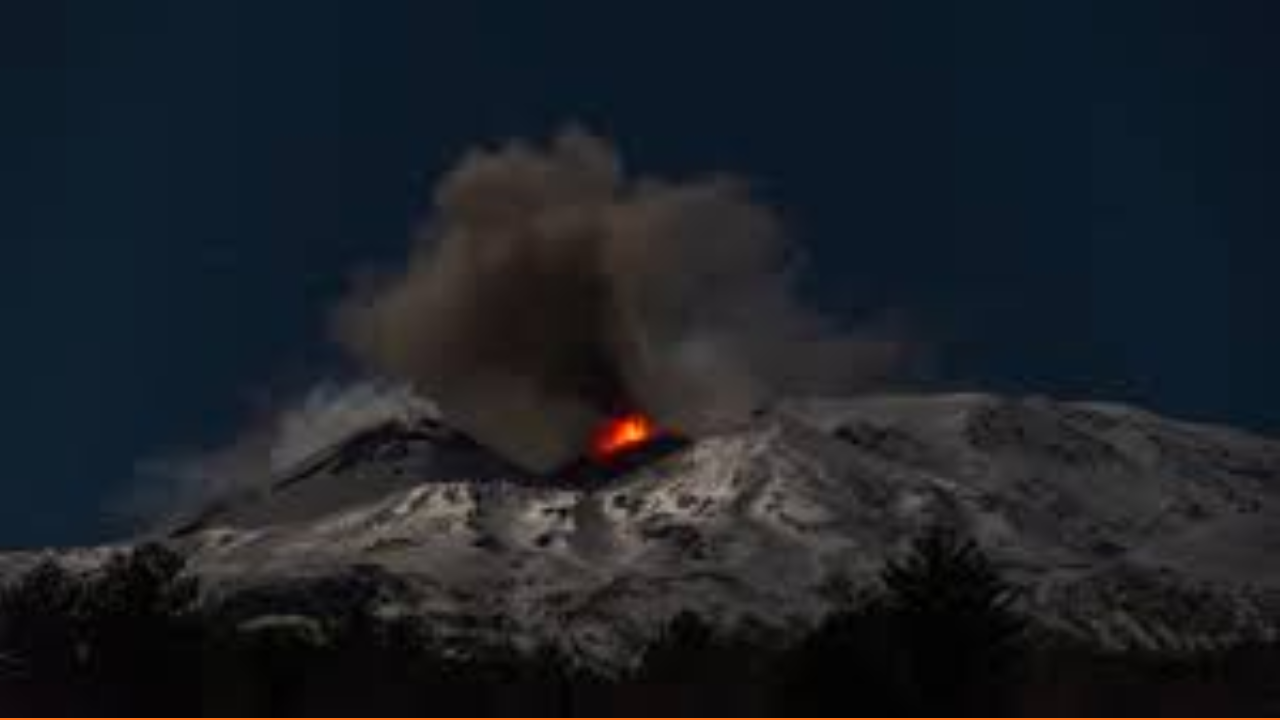
Mount Etna is currently at a standstill—not because of the lava, but because of a fierce dispute between local authorities and the mountain’s expert guides. As of January 2026, the very people who lead tourists to the summit have walked off the job to protest new, restrictive safety laws.
Thank you for reading this post, don't forget to subscribe!The Conflict: Safety vs. Expertise
The core of the protest lies in a “clash of trust.” Following the recent surge in volcanic activity, the Catania Prefecture implemented a series of strict mandates. The guides, however, argue that these rules treat the volcano as a “static hazard” rather than a living environment they are trained to navigate.
The Guides’ Main Grievances:
- A “Blow to Tourism”: By banning night tours, the rules eliminate the most profitable and iconic part of the Etna experience.
- Professional Disrespect: Experts feel their decades of experience in “reading” the volcano are being ignored in favor of rigid, bureaucratic distances.
- Economic Impact: With smaller group sizes and limited hours, many independent guide companies are facing a 50% drop in revenue.
Key Changes to Excursion Rules
| Regulation | Old Standard | New 2026 Rule |
| Operating Hours | Sunrise to Nightfall | Strict Daylight Only (No sunsets) |
| Lava Proximity | Guide’s Discretion | 200m Mandatory Buffer |
| Group Capacity | Up to 20 People | Max 10 People |
| Equipment | Standard Trekking Gear | Full Safety Kits required at all levels |
What This Means for Travelers
If you are currently in Sicily or planning a trip this month:
- Cancellations are high: Most summit-level tours are suspended during the strike.
- Limited Access: Only the lower “Silvestri Craters” (which are extinct) remain fully open without specialized guides.
- Potential Fines: Do not attempt to bypass the checkpoints. Drones are being used actively to monitor the exclusion zones.












Comments are closed.