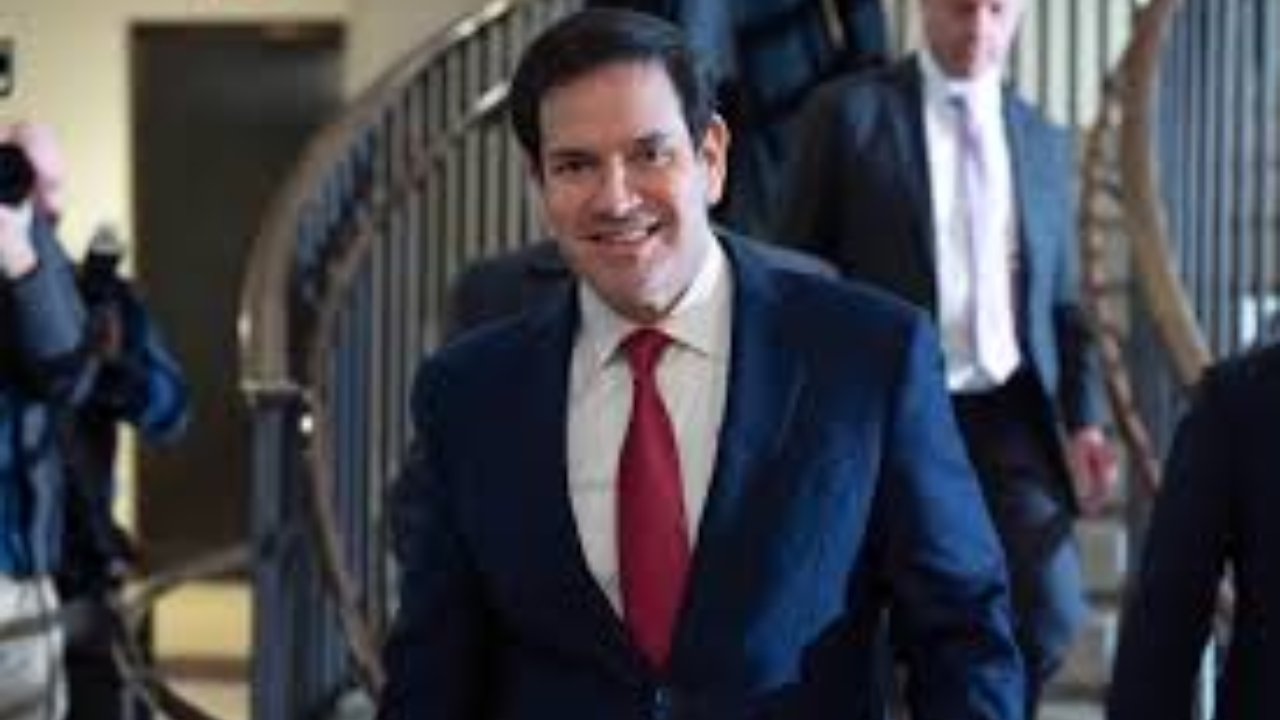
On Monday night, Secretary of State Marco Rubio and Defense Secretary Pete Hegseth met with congressional leaders to outline the path forward following the capture of Nicolás Maduro. The meeting aimed to quell rising anxieties over the legality and duration of Operation Absolute Resolve.
Thank you for reading this post, don't forget to subscribe!1. The Administration’s Strategy
- Law Enforcement, Not War: The administration is framing the Caracas mission as a high-level “arrest” rather than an act of war, attempting to bypass traditional military authorization requirements.
- The “Oil Lever”: Rather than a long-term military occupation, the U.S. plans to use its energy sector to rebuild Venezuela. By encouraging U.S. oil companies to return, the administration hopes to stabilize the economy and exert influence over the interim government.
- Interim Leadership: For now, the U.S. is signaling a pragmatic approach by allowing Delcy Rodríguez to lead the transition, provided she moves toward holding new elections.
2. Friction on Capitol Hill
Despite the briefing, the administration faces a “trust gap” with several key lawmakers:
- The Authorization Debate: Many Democrats, led by Chuck Schumer, argue the mission violated the War Powers Act. They are demanding an immediate “exit strategy” to avoid another long-term foreign entanglement.
- Mixed Messaging: While Rubio emphasized “oversight,” President Trump’s recent comments about the U.S. “running” the country have caused diplomatic friction and confusion among congressional leaders.
3. What’s Next for Congress?
The political battle now moves to the Senate floor:
- War Powers Vote: A resolution is expected this week to restrict further military operations in the region.
- Funding Tussle: Congress must soon decide whether to approve humanitarian and reconstruction aid for the new Venezuelan administration.