| Era | Movement | Primary Catalyst |
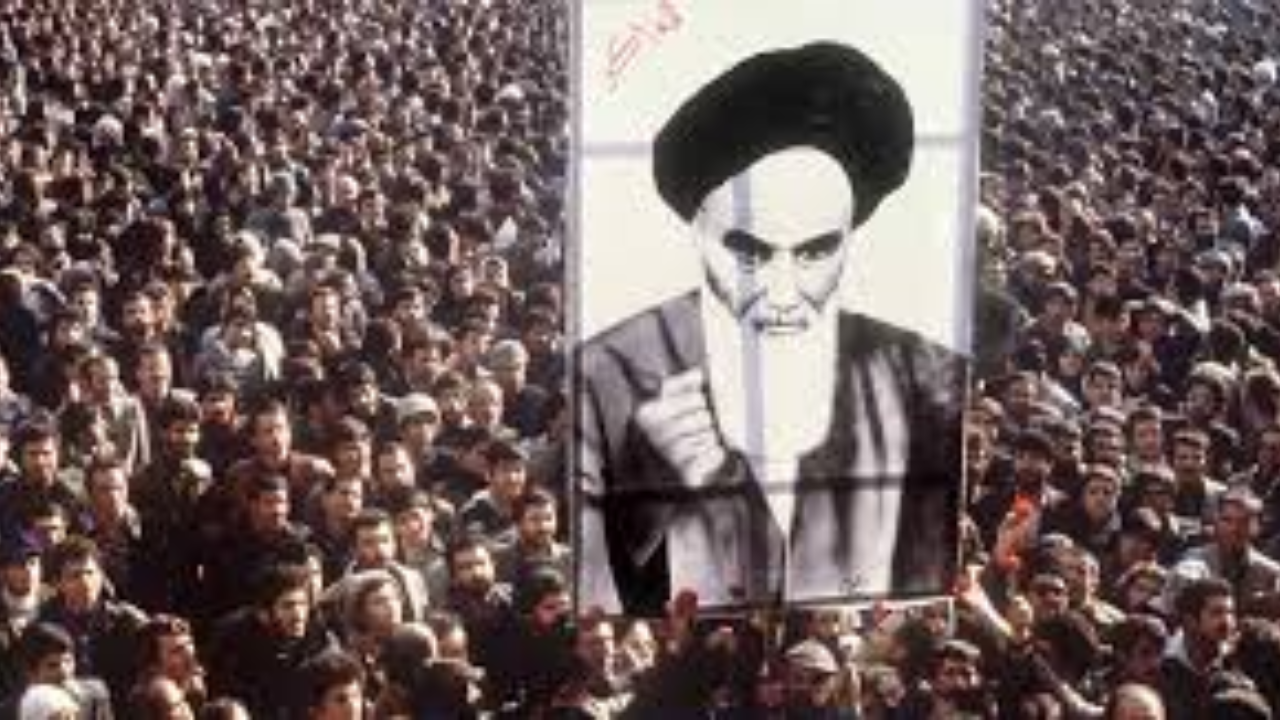
| 1977–1979 | The Islamic Revolution | Widespread opposition to the Shah’s monarchy, economic disparity, and Western influence. |
| 1999 | The Student Protests | The closure of the reformist newspaper Salam and a violent raid on Tehran University dormitories. |
| 2009 | The Green Movement | Allegations of massive fraud in the presidential election (“Where is my vote?”). |
| 2017–2019 | Economic & “Aban” Protests | Sudden spikes in food and fuel prices; evolved into anti-government slogans. |
| 2022–2023 | “Woman, Life, Freedom” | The death of Mahsa Amini in morality police custody; focused on women’s rights and bodily autonomy. |
Key Turning Points
- The 1999 Student Uprisings: This was the first major challenge to the post-revolutionary establishment. It was led by the youth and signaled a growing rift between the “revolutionary generation” and their children.
- The 2009 Green Movement: Utilizing social media for the first time, millions took to the streets of Tehran. This was largely a middle-class movement seeking political reform within the existing system.
- The 2019 “Bloody Aban”: Triggered by a gas price hike, these protests were notable for being led by the working class and for the severe government crackdown that followed.
- The 2022 Mahsa Amini Protests: Unlike previous movements, this was led by women and Gen Z, crossing ethnic and provincial lines with the slogan “Jin, Jiyan, Azadi.”
The Common Thread
While the triggers vary—from election results to the price of eggs or the mandatory hijab—the underlying theme over the last 50 years has been a persistent push for accountability and social agency.