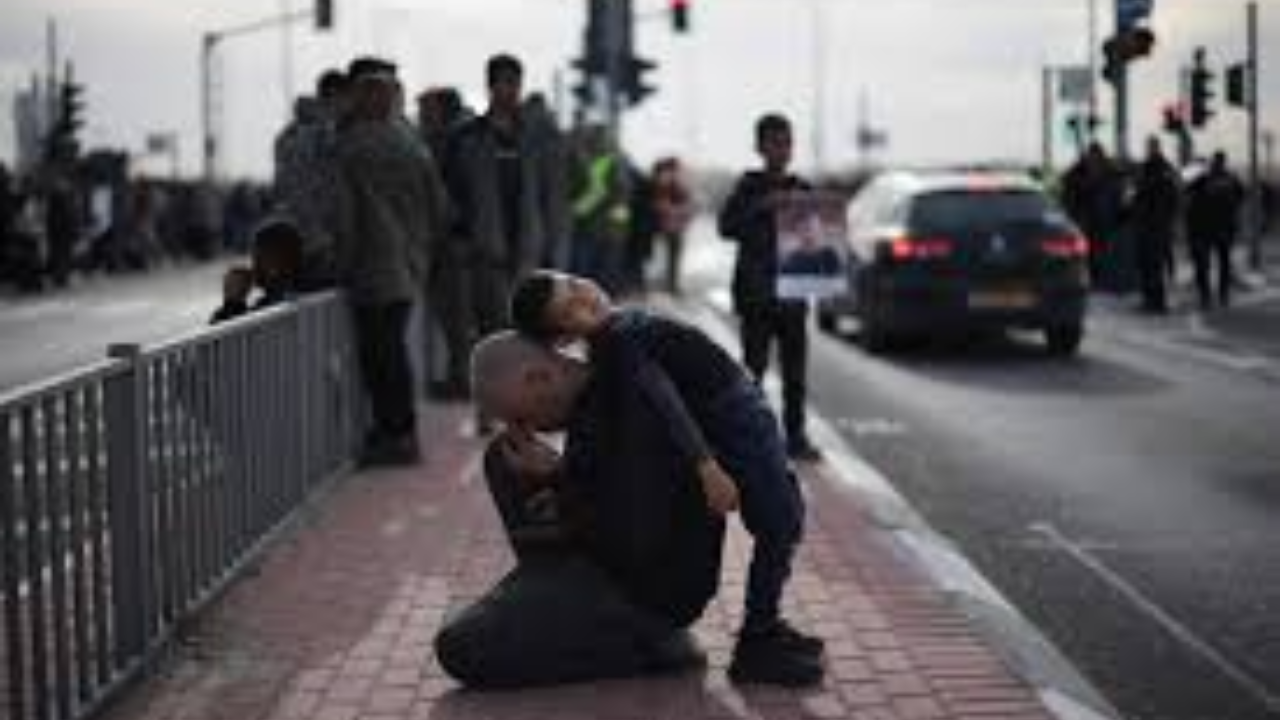
TARABIN AL-SANA, ISRAEL — Tensions in southern Israel reached a boiling point this weekend following the death of a 36-year-old Bedouin man, Muhammad Hussein Tarabin, during a targeted police operation on Saturday night.
Thank you for reading this post, don't forget to subscribe!The incident occurred in the village of Tarabin al-Sana as part of the “New Order” operation, a widespread crackdown on crime and arson in the Negev region.
A Dispute Over the Facts
The death has triggered an immediate investigation by the Department of Internal Police Investigations (DIPI) as two starkly different versions of the event emerge:
- The Police Account: Officials claim the tactical unit was executing a warrant for a suspect linked to recent arson attacks on vehicles in neighboring Jewish towns. They maintain that the suspect “endangered” officers during the encounter, forcing them to open fire in self-defense.
- The Family Account: Relatives, including the victim’s young son, tell a different story. They allege Tarabin was shot in the chest as soon as he opened his front door and claim police refused to provide immediate medical aid. “He was killed in cold blood,” his cousin told local reporters.
Government and Local Response
The political reaction has been swift and divided. National Security Minister Itamar Ben Gvir stood by the officers, stating that any threat to law enforcement must be “neutralized.” Prime Minister Benjamin Netanyahu echoed this sentiment, framing the raid as a necessary step to restore law and order to the “wild south.”
In contrast, Bedouin leaders and human rights advocates have condemned the killing as an example of excessive force. Talal Alkernawi, the Mayor of Rahat, warned that such incidents only deepen the distrust between the Bedouin community and the state.
Regional Instability
The shooting takes place against a backdrop of increasing friction in the Negev. The Bedouin community, which often resides in villages unrecognized by the state, has faced a surge in home demolitions and a heightened police presence over the last year.