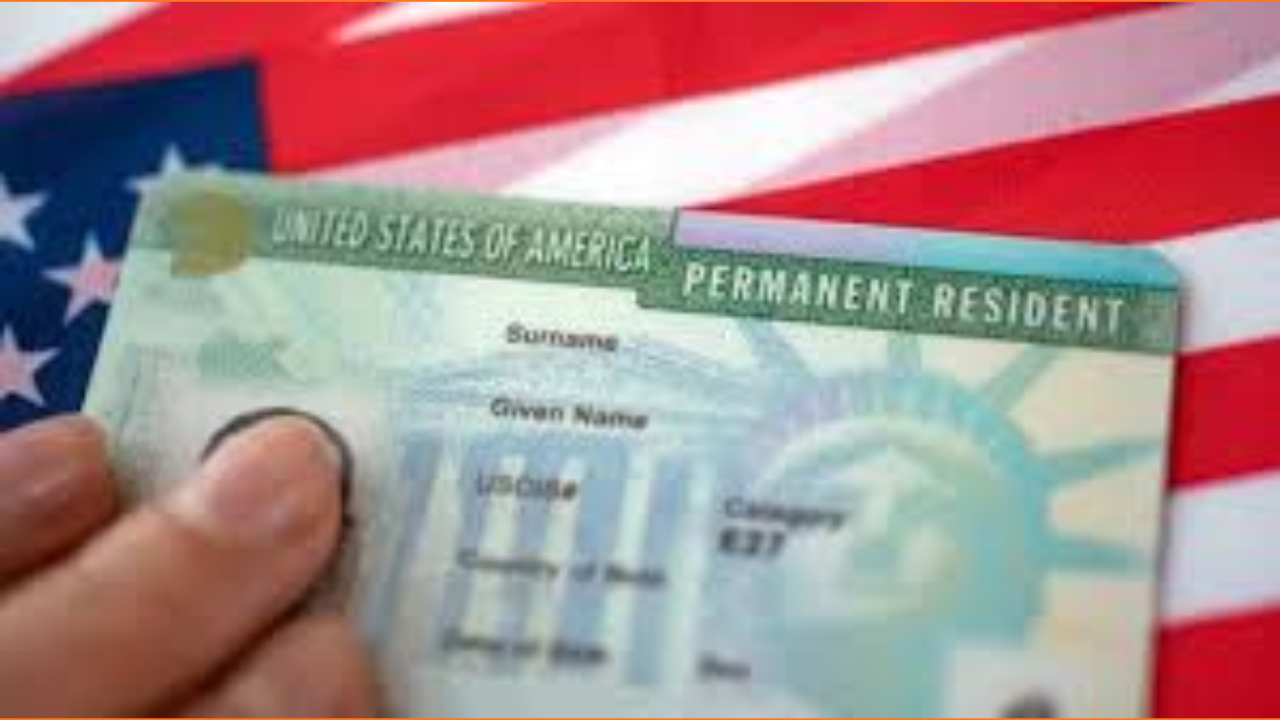
High-profile warnings from immigration experts, including attorney Brad Bernstein, have signaled a major shift in 2026: A marriage certificate alone is no longer a “golden ticket” to U.S. residency. USCIS has pivoted from checking paperwork to investigating the actual lifestyle of the couple.
Thank you for reading this post, don't forget to subscribe!The “Cohabitation” Standard
- The Zero-Tolerance Policy: Historically, couples living apart for work or school could often explain their situation. Now, officials are largely ignoring these excuses.
- The Burden of Proof: “Living together” means more than just a shared address; it means proof of a shared daily life.
- Enhanced Enforcement: Expect more Stokes Interviews (separate questioning) and unannounced home visits by officers to verify living arrangements.
New Hurdles in 2025–2026
Beyond the focus on cohabitation, several new procedural changes have made the process more “trip-wire” prone:
| Change | Impact on Applicants |
| Payment Rules | Every form must have an individual check; one bundled payment now leads to an automatic rejection of the whole file. |
| Upfront Medicals | Form I-693 must be submitted at the start of the process, or the application may be considered incomplete. |
| Work Permit Caps | Work permits (EADs) for pending applicants are now valid for only 18 months, down from five years, creating a “ticking clock” for approvals. |
| High-Risk Vetting | Couples where one spouse is from a designated “high-risk” nation face significantly longer background checks. |
The “Bona Fide” Checklist
To survive this heightened scrutiny, attorneys recommend a “more is more” approach to evidence. A marriage is now judged by the financial and social footprint it leaves:
- Active Joint Accounts: Frequent, small transactions (groceries, gas) are more convincing than one large “dormant” savings account.
- Shared Liability: Both names must be on the lease, mortgage, and all major utility bills.
- Social Proof: Affidavits from neighbors, coworkers, and family that specifically confirm seeing the couple together on a daily basis.