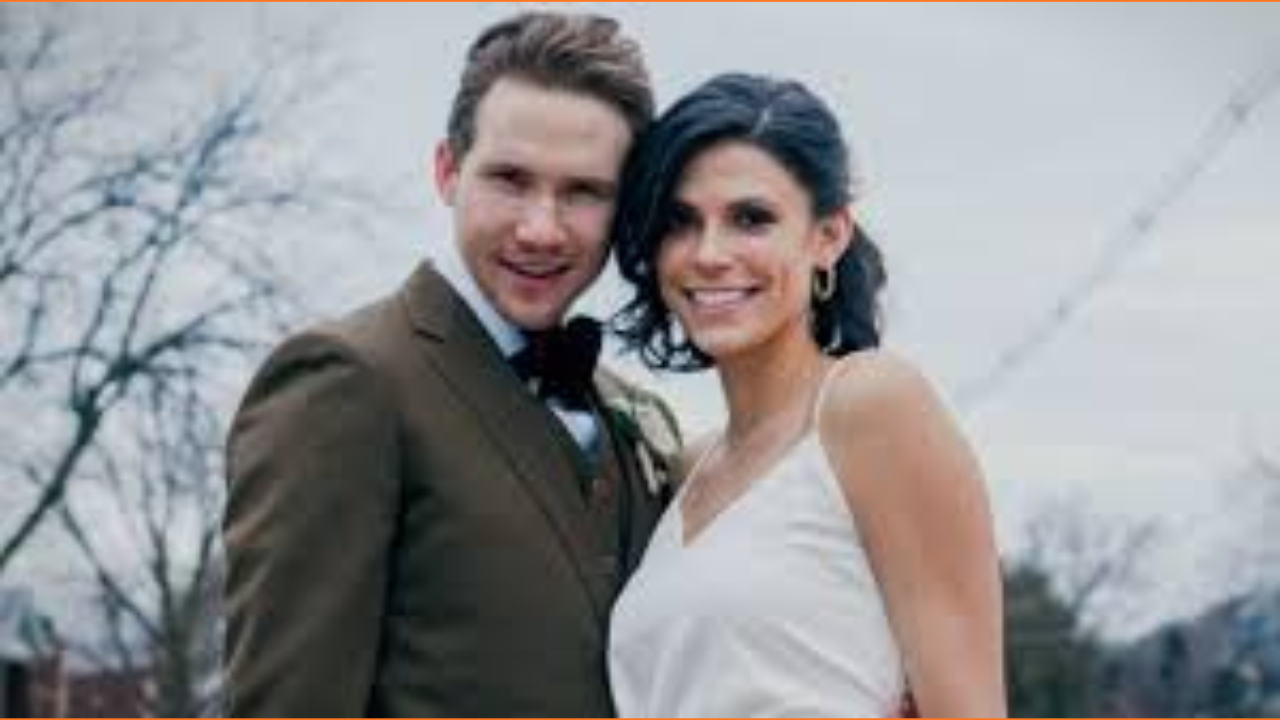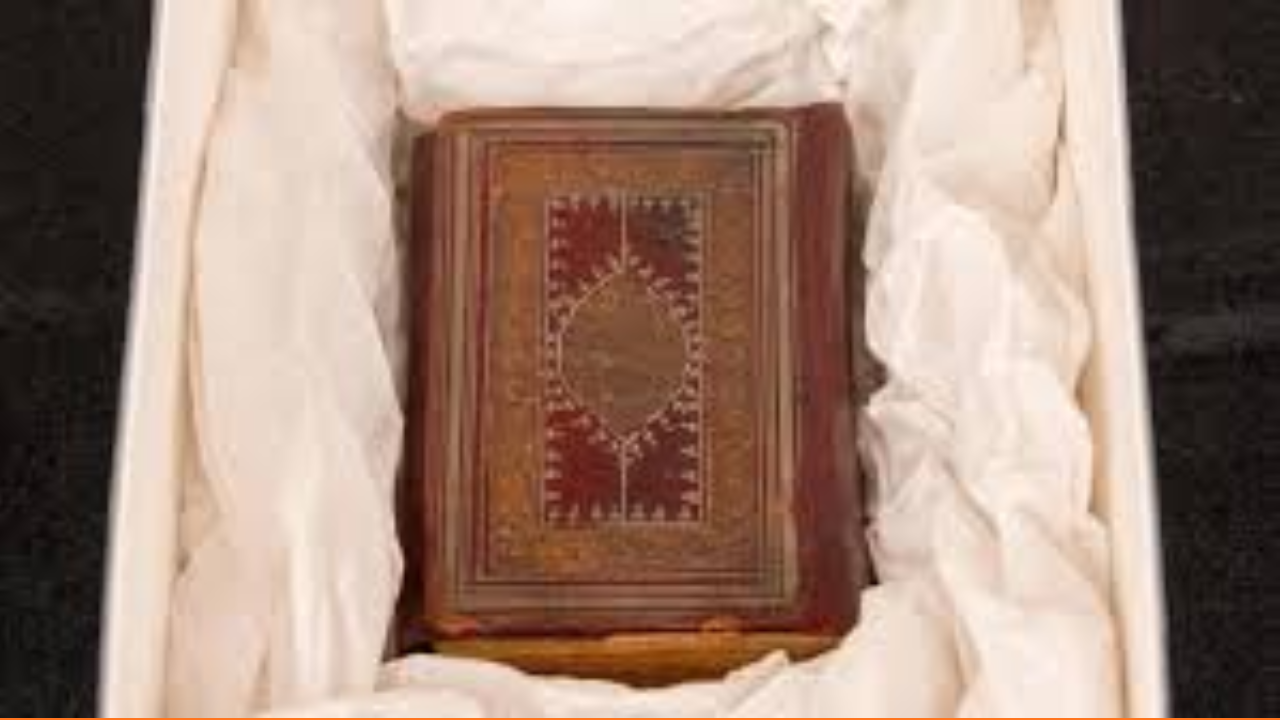
When State Assemblyman and mayoral candidate Zohran Mamdani chose the Thomas Jefferson Quran for his ceremonial swearing-in, it wasn’t just a personal gesture—it was a sophisticated political statement. By opting for a text once owned by a Founding Father, Mamdani bridged the gap between his Muslim identity and the bedrock of American democracy.
Thank you for reading this post, don't forget to subscribe!The Significance of the “Jefferson Quran”
The copy used is a 1764 translation that Thomas Jefferson purchased during his legal studies. Its use carries three layers of symbolism:
- A Claim to Belonging: It refutes the narrative that Islam is “un-American.” By using a book owned by the author of the Declaration of Independence, Mamdani argues that Islamic thought has been part of the American intellectual landscape since 1776.
- A Tradition of Dissent: Mamdani follows figures like Keith Ellison and Rashida Tlaib, who used the same text to mark their entry into spaces where they were “firsts.”
- Religious Pluralism: It highlights Jefferson’s own commitment to religious freedom, suggesting that a socialist, Muslim mayor is a natural evolution of the American experiment rather than a departure from it.
Religion Meets Radical Politics
For Mamdani, the symbolism serves his broader campaign goals. As a member of the Democratic Socialists of America (DSA), he often links his faith to his policy platform:
- Economic Justice: He frames his fight for rent stabilization and tax reform through a lens of moral and spiritual obligation.
- The “Outsider” Image: Using a historical artifact from the Library of Congress positions him as a serious historical figure, contrasting with the “business-as-usual” perception of the current City Hall administration.
- Coalition Building: The move appeals to New York’s diverse immigrant communities while simultaneously signaling a deep respect for American constitutional history to more moderate voters.
“I am not just bringing my faith to the table; I am bringing a version of America that has always been big enough for all of us.” — Implicit theme of Mamdani’s symbolic choices.