A Shift in Spending
The $2 billion figure highlights a new era of “fiscally disciplined” aid. To understand the scale of this change, consider the trajectory of U.S. humanitarian contributions over the last few years:
- 2022: $17.2 billion (Peak funding)
- 2024: $14.1 billion
- 2025: $3.38 billion (Total annual contribution)
Strategic Priorities & Exclusions
The State Department has identified 17 priority countries for this funding, including Ukraine, Haiti, Syria, Congo, and Bangladesh.
However, two major regions were notably excluded from this pledge:
- Afghanistan: Funding remains frozen or redirected due to ongoing policy shifts.
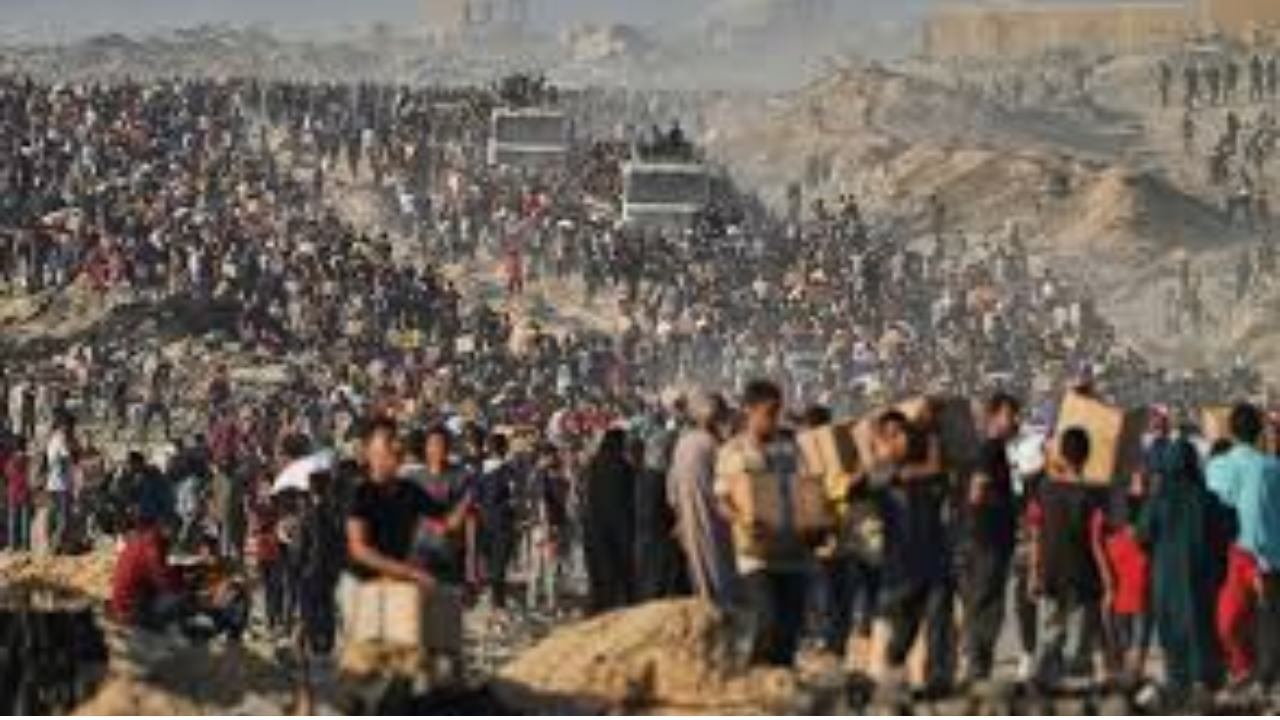
- Palestinian Territories: U.S. officials indicated that aid for Gaza will be handled separately through the administration’s specific regional peace initiatives rather than general UN channels.
The New “Accountability” Framework
This funding is not a “blank check.” The U.S. is leveraging its contribution to force a structural overhaul of how the UN operates. Key mandates include:
- The “Single Spigot” Model: Instead of funding various agencies individually, money will flow through a central fund managed by the UN’s humanitarian chief, Tom Fletcher. This allows for tighter oversight.
- Consolidation: The U.S. is demanding that the UN eliminate “bureaucratic bloat” and overlapping missions.
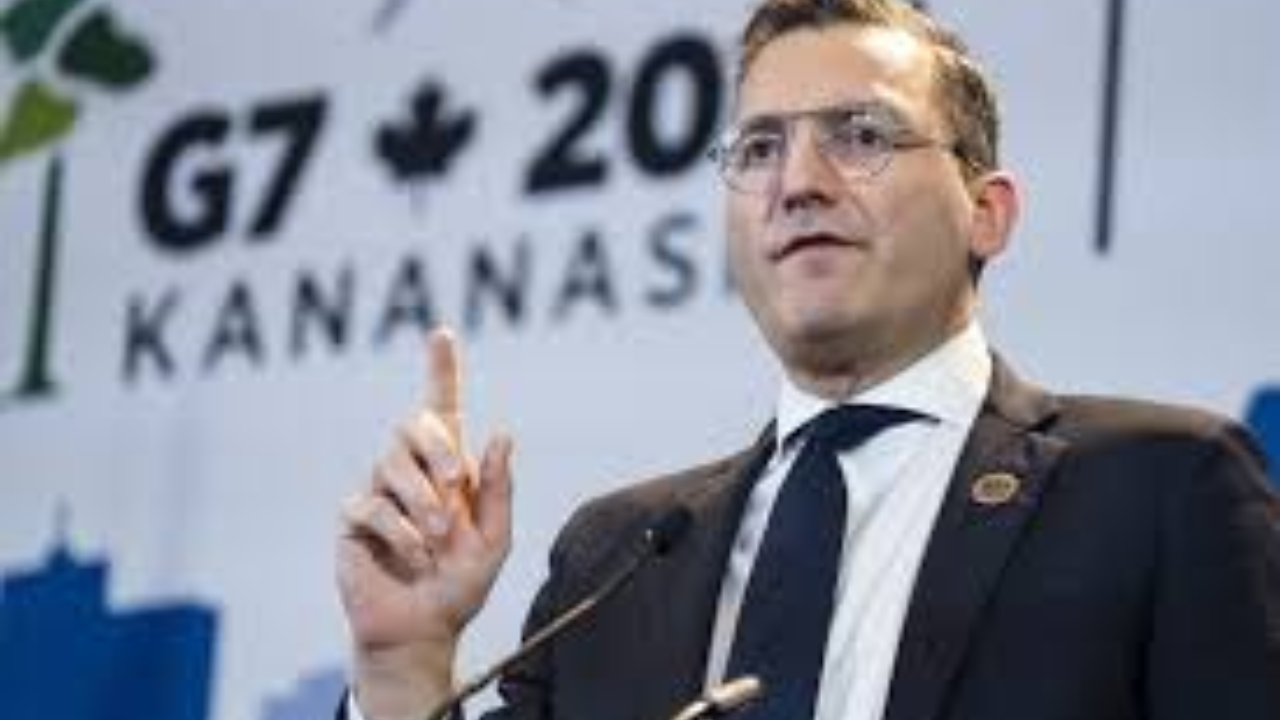
- Policy Alignment: Ambassador Michael Waltz emphasized that aid must be “results-driven” and directly support U.S. foreign policy interests.
The Global Impact
The UN is feeling the pressure of this “funding winter.” Because the U.S. and other major donors (like Germany) are scaling back, the UN has been forced to slash its 2026 global appeal to $23 billion—less than half of its 2025 request.
“The UN must adapt, shrink, or die,” noted U.S. officials, signaling that the era of open-ended humanitarian funding has officially ended.