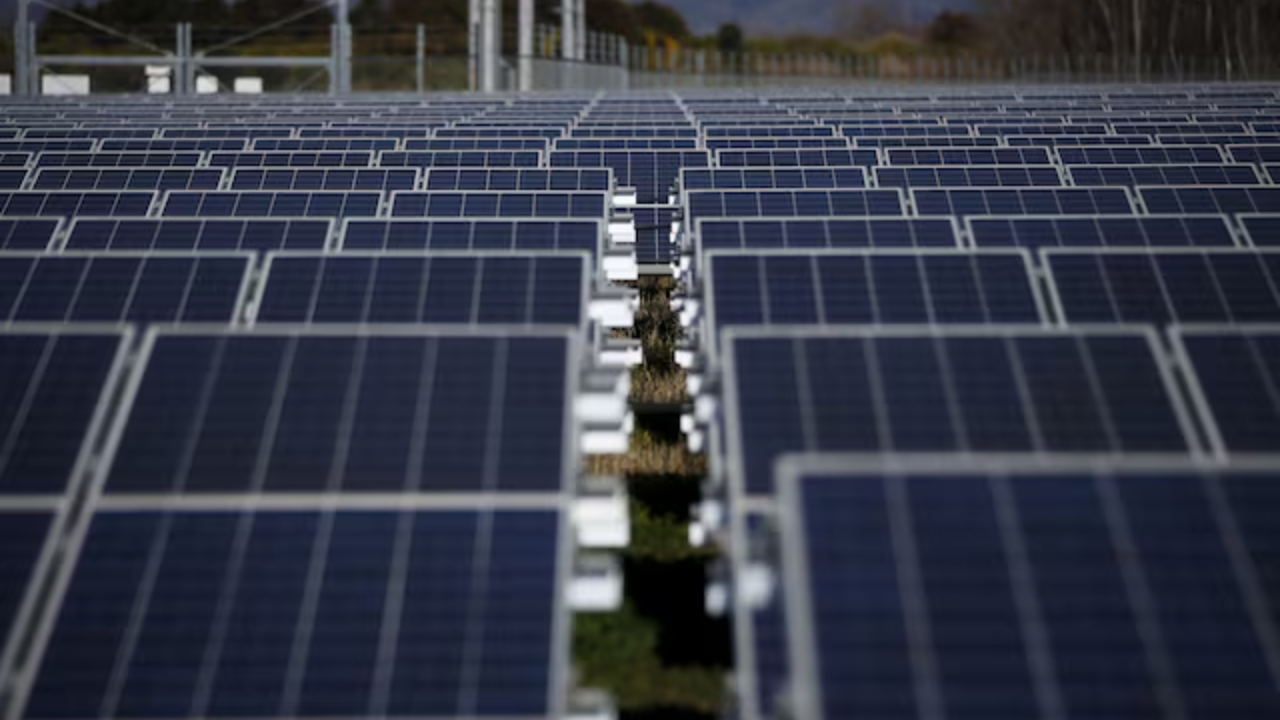
In a major policy shift, the Japanese government has moved to tighten regulations and end financial support for large-scale solar power projects. The decision aims to prioritize the protection of the natural environment, ensure public safety, and preserve Japan’s iconic landscapes from further industrial encroachment.
Thank you for reading this post, don't forget to subscribe!1. The Policy Shift: Ending Subsidies
The industry ministry has announced plans to discontinue support through the Feed-in Tariff (FIT) and Feed-in Premium (FIP) schemes for ground-mounted, large-scale commercial solar farms.
- Target Date: Changes are expected to take effect in the fiscal year beginning April 2027.
- What Changes: Developers will no longer be guaranteed fixed purchase prices or market premiums for new mega-solar installations.
- What Stays: Support will continue for existing facilities, residential solar panels, and the development of next-generation technologies.
2. Political and Strategic Motivations
The move aligns with the stance of Prime Minister Sanae Takaichi, who has been a vocal critic of sprawling solar farms. Her arguments focus on two main points:
- Environmental Preservation: Large installations have faced backlash for damaging scenery and increasing the risk of landslides in rural areas.
- Economic Security: The Prime Minister has noted that many panels are imported from overseas—specifically China—and argues for a shift toward domestic energy solutions.
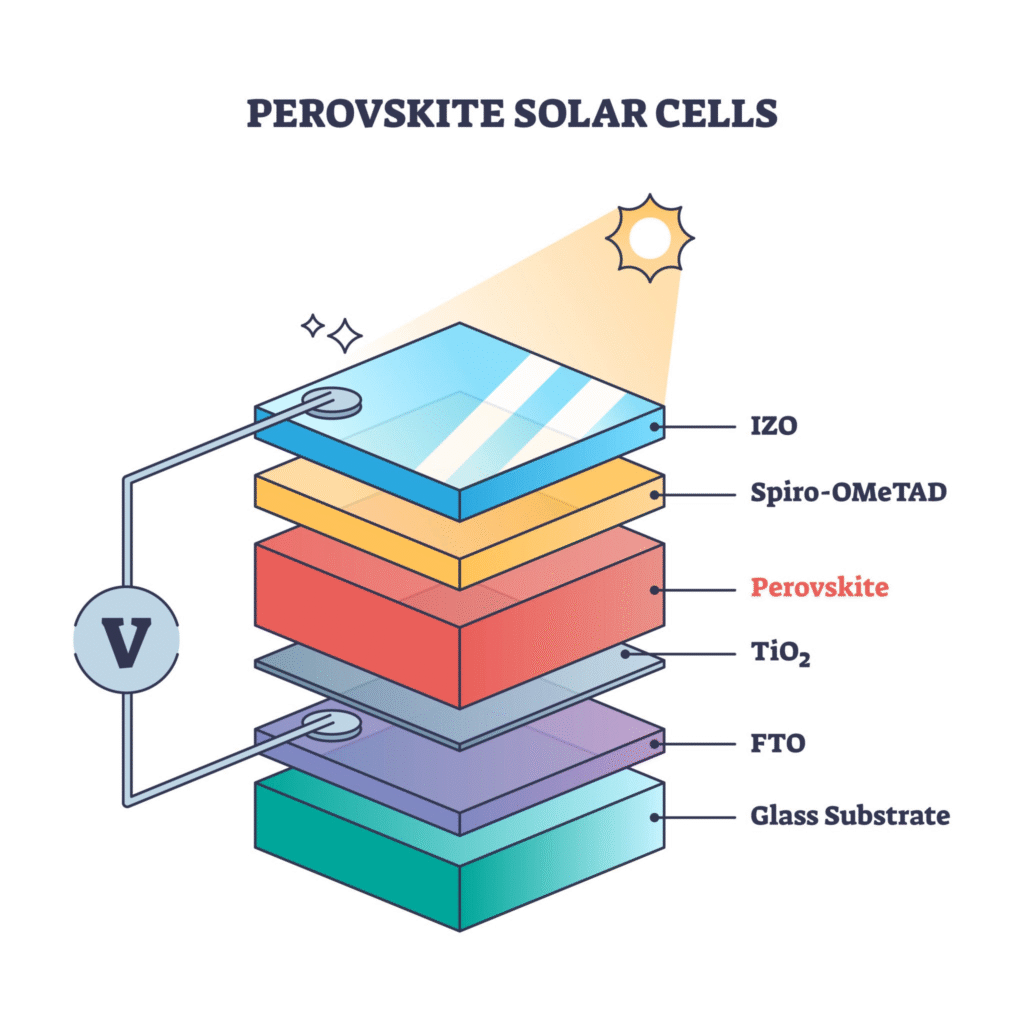
3. A Pivot to Next-Gen Technology: Perovskite
While withdrawing from “mega-solar,” Japan is doubling down on Perovskite solar cells.
- Development: This is a next-generation technology pioneered in Japan.
- Advantage: Unlike heavy, rigid silicon panels, perovskite cells are thin, flexible, and lightweight, allowing them to be installed on windows and curved surfaces rather than requiring the clearing of forests or wetlands.
4. Stricter Environmental Oversight
The Ministry of the Environment is also looking to expand its regulatory reach:
- Lowering Thresholds: Currently, solar projects under 30 megawatts bypass national environmental assessments. The government is considering lowering this threshold to ensure smaller projects are also vetted for their impact on local ecosystems.
- Catalyst for Change: These discussions were accelerated by high-profile disputes over solar developments near the Kushiro Wetland National Park in Hokkaido.
5. Challenges for Japan’s Carbon Goals
This regulatory tightening comes at a difficult time for Japan’s energy transition. With offshore wind projects currently stalled due to rising costs and developer exits, a slowdown in solar development could jeopardize the country’s progress toward its carbon-neutral targets.