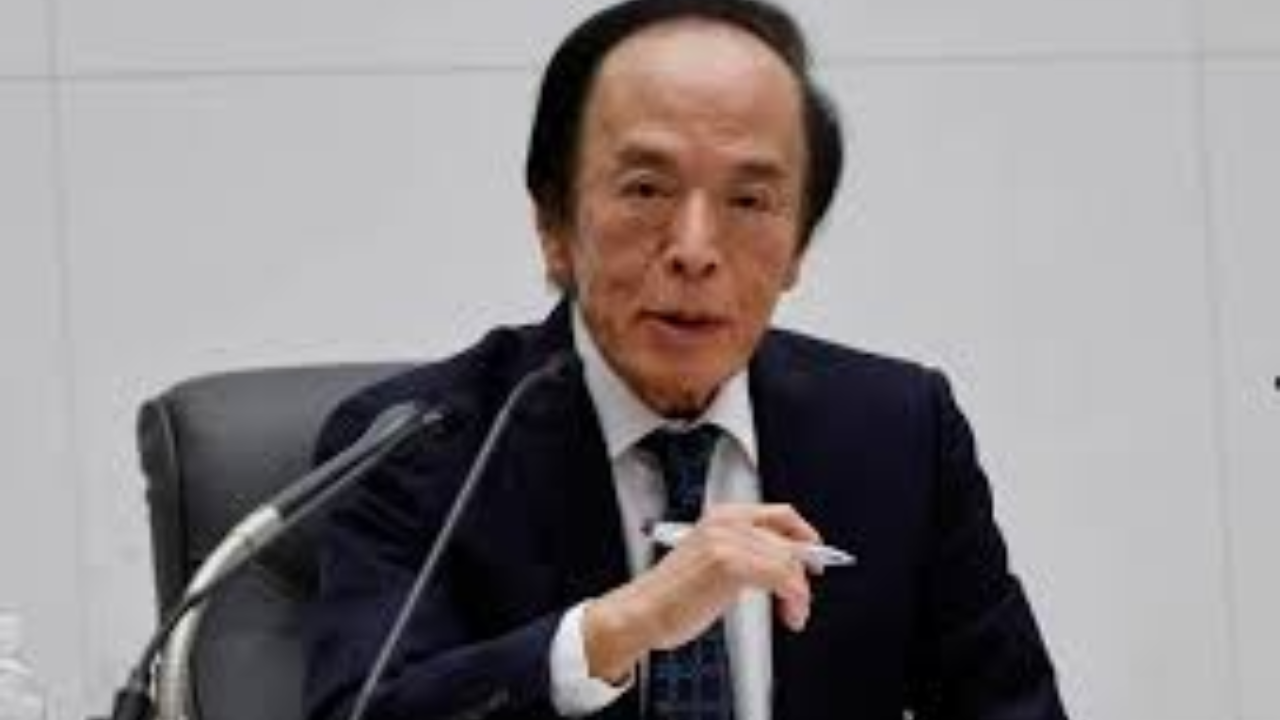
The Bank of Japan’s (BOJ) decision last Friday to hike rates to 0.75%—their highest level in 30 years—was accompanied by a characteristic layer of vague commentary from Governor Kazuo Ueda. While the initial market reaction saw “yen bears” drive the currency lower, a closer look at the central bank’s subtle clues suggests a much more aggressive path for interest rates in 2026.
Thank you for reading this post, don't forget to subscribe!Hidden Resolve Behind the Caution
Despite the yen’s 1.4% slide following the meeting, analysts and BOJ insiders suggest that Ueda’s “ambiguous” communication is a strategic move to maintain flexibility. However, his underlying hawkishness was clear for those looking:
- Distance to “Neutral”: Ueda pointed out that even at 0.75%, the rate is still “some distance” from the bottom of the neutral range (1.0% to 2.5%).
- Negative Real Rates: He emphasized that Japan’s real interest rates remain deeply negative, meaning the current policy is still highly stimulative.
- Receding Global Risks: The BOJ revised its view on global growth, explicitly stating that concerns over U.S. tariffs and overseas slowdowns—which previously forced a pause—have significantly receded.
The New Timeline: April vs. June
While many in the market had pushed expectations for the next hike into the second half of 2026, a growing chorus of hawkish voices sees it coming much sooner.
| Source | Next Hike Forecast | Terminal Rate |
| JP Morgan | April 2026 | 1.5% |
| BofA / Makoto Sakurai | June/July 2026 | 1.5% |
| Goldman Sachs (Akira Otani) | July 2026 | Gradual path |
“The BOJ probably wants to resume rate hikes at a pace of about once every six months,” notes former board member Makoto Sakurai. If this rhythm holds, a 1.0% rate could be seen by the summer of 2026.
The “Yen Trigger” and Inflation Risks
The Japanese government remains on high alert. Finance Minister Sanae Takaichi’s administration has already issued stern warnings about intervening to stop the yen’s slide.
The BOJ is increasingly concerned that a weak currency is driving “bad” inflation through high import costs. In a rare move, Ueda revealed that several board members specifically highlighted how recent yen falls are already pushing up underlying price pressures.
Key Inflation Drivers to Watch:
- Labor Shortages: An intensifying lack of workers is forcing companies to keep raising pay.
- Spring Wage Talks (Shunto): Early signs for the 2026 negotiations suggest another year of robust gains, which would give the BOJ the “green light” to hike in April.
- Fiscal Spending: The government’s latest stimulus package could add fuel to the demand-side inflation the BOJ has been waiting for.
Looking Ahead
The next critical update comes on January 22-23, 2026, when the BOJ releases its fresh quarterly growth and price forecasts. If the board upgrades its inflation projections, the market will have to quickly price in a spring rate hike, potentially catching many investors off-guard.