In a landmark shift for India’s rural economy, President Droupadi Murmu has given her official assent to the Viksit Bharat Guarantee for Rozgar and Ajeevika Mission (Gramin) (VB-G RAM G) Bill, 2025. This new legislation formally repeals and replaces the Mahatma Gandhi National Rural Employment Guarantee Act (MGNREGA) of 2005.
Thank you for reading this post, don't forget to subscribe!The reform aims to modernize rural labor by aligning employment with the national vision of becoming a developed nation by 2047 (“Viksit Bharat”).
1. Expanded Employment Guarantee
The most immediate change for rural households is the increase in guaranteed work days.
- Old Standard: 100 days of wage employment per year.
- New Standard: A minimum of 125 days of wage employment per rural household per financial year.
2. Strategic Shift: From Welfare to Asset Creation
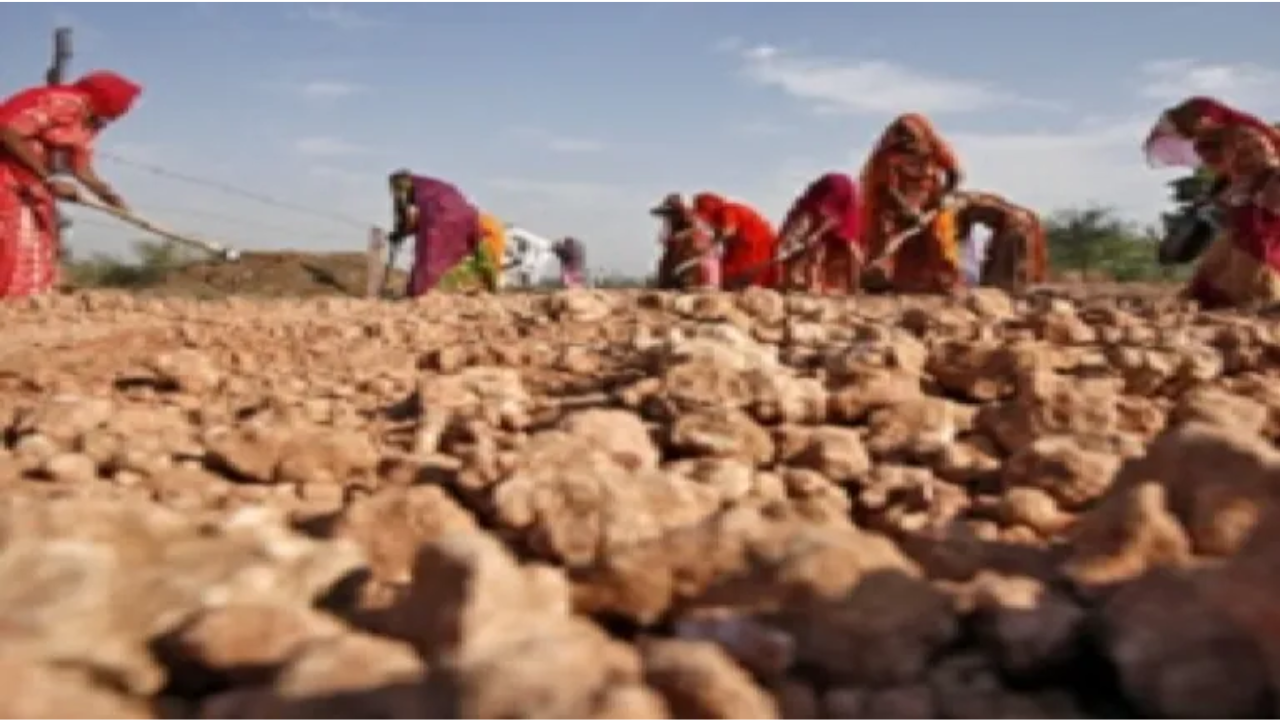
The Ministry of Rural Development emphasized that the new Act moves beyond “standalone welfare.” Instead, labor will be directed toward creating durable, productive, and climate-resilient assets, including:
- Water security and conservation projects.
- Core rural infrastructure.
- Livelihood-generating assets.
- Digital Integration: All physical assets will be logged into a “National Rural Infrastructure Stack” and integrated with PM Gati Shakti to ensure high-level coordination and “saturation-based” development.
3. Key Administrative & Financial Reforms
The Act introduces several measures to improve efficiency and protect workers:
- Timely Payments: Wages must be paid weekly or, at the latest, within 15 days of work completion. Statutory compensation is mandated for any delays.
- Unemployment Allowance: The Act restores a meaningful allowance if the government fails to provide work within the required timeframe.
- Agri-Sync (Pause Period): To ensure the scheme does not disrupt farming, States can notify a 60-day “pause period” during peak sowing and harvesting seasons.
- Administrative Budget: The ceiling for administrative expenses has been raised from 6% to 9% to fund better staffing, field-level capacity, and training.
4. Funding & Governance
The Act maintains a decentralized approach while standardizing the cost-sharing model:
- General States: 60% Central / 40% State funding.
- NE & Himalayan States: 90% Central / 10% State funding.
- Union Territories (without legislatures): 100% Central funding.
Planning remains at the grassroots level, with all projects originating from Viksit Gram Panchayat Plans approved by local Gram Sabhas.
Summary of Transition
The Ministry describes the VB-G RAM G Act as a “decisive reform” that transforms rural employment from a simple safety net into a strategic tool for long-term prosperity and climate resilience.