CHITTAGONG — India has indefinitely suspended all visa operations in Bangladesh’s second-largest city, Chittagong, following a wave of violence sparked by the death of a prominent political figure. The Indian Visa Application Centre (IVAC) announced that the closure, which took effect Sunday, December 21, will remain in place until the security situation is reassessed.
Thank you for reading this post, don't forget to subscribe!The Catalyst: Death of Sharif Osman Hadi
The unrest follows the death of Sharif Osman Hadi, a 32-year-old leader who rose to prominence during the student-led protests that ousted the Awami League government last year.
- The Attack: On December 12, masked gunmen shot Hadi in the head during an election campaign event in Dhaka.
- The Passing: Despite being flown to Singapore for emergency medical care, Hadi succumbed to his injuries on Thursday.
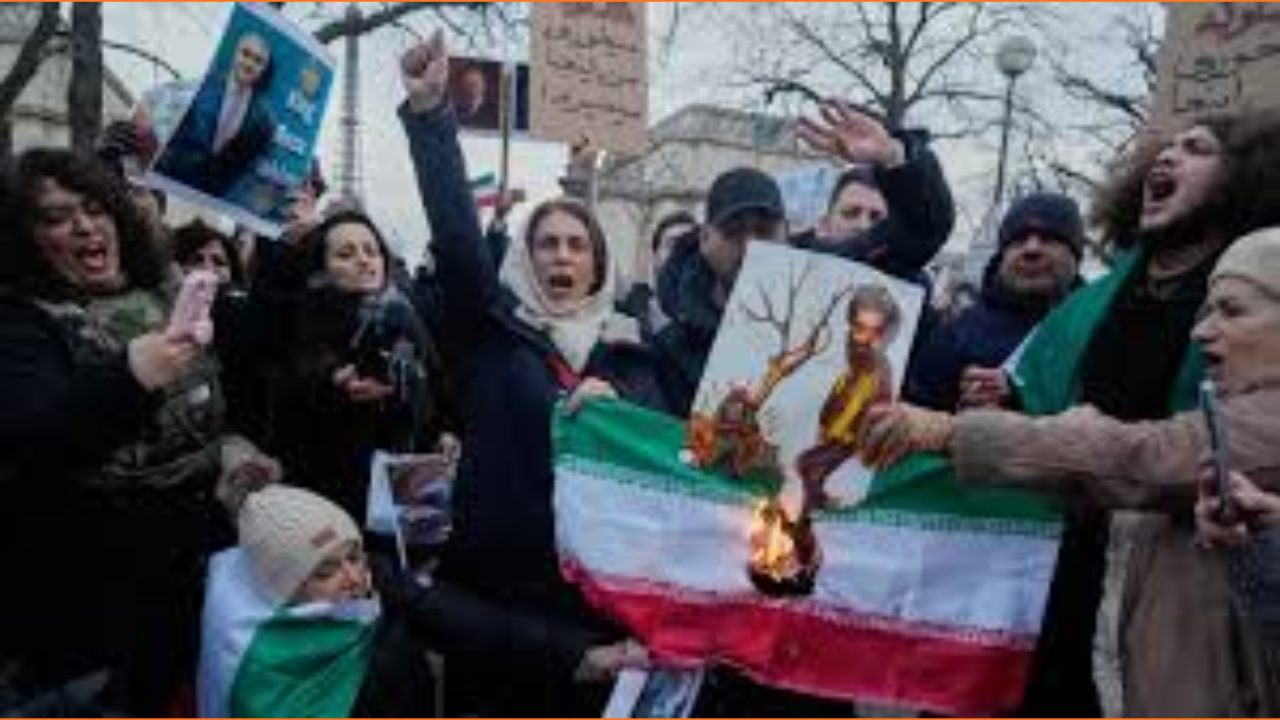
- The Funeral: Tens of thousands attended his burial on Saturday at Dhaka University. The ceremony was marked by high tension and anti-India chanting.
Diplomatic Fallout and Security Concerns
The suspension of visa services was triggered by direct attacks on Indian diplomatic property. On Thursday, a mob targeted the residence of the Assistant Indian High Commissioner in Chittagong, hurling stones at the premises.
In response to the escalating volatility:
- Chittagong IVAC: Closed indefinitely as of December 21.
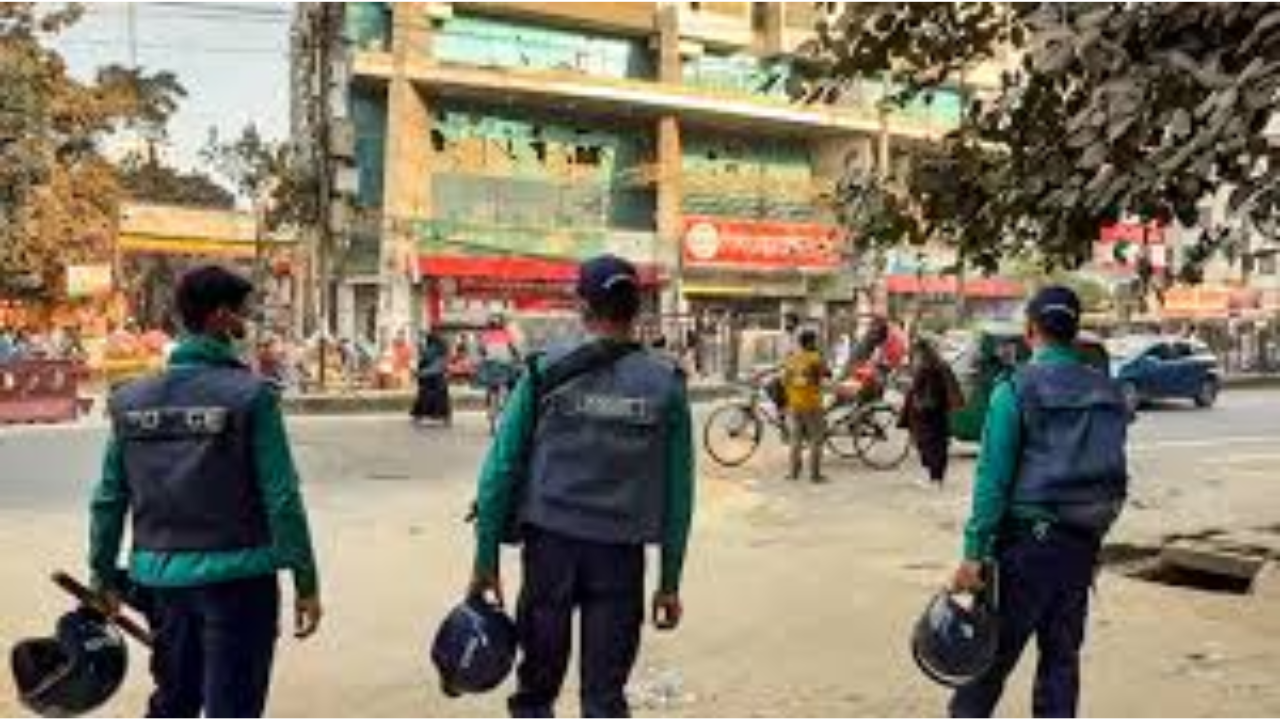
- Sylhet Region: Security has been heavily reinforced at the Indian Assistant High Commission and visa centers to prevent “third-party exploitation” of the unrest.
- Security Review: Indian officials stated that reopening will depend entirely on a future security audit.
A Nation on Edge
Hadi’s death has created a political vacuum and heightened regional tensions ahead of the general elections scheduled for February 12. Protesters have expressed outrage toward New Delhi, with many accusing India of interfering in domestic Bangladeshi affairs or providing sanctuary to members of the former regime.
For the thousands of Bangladeshis who rely on Indian visas for medical treatment, education, and trade, this suspension marks a significant disruption in cross-border mobility during a period of intense national grief and political transition.