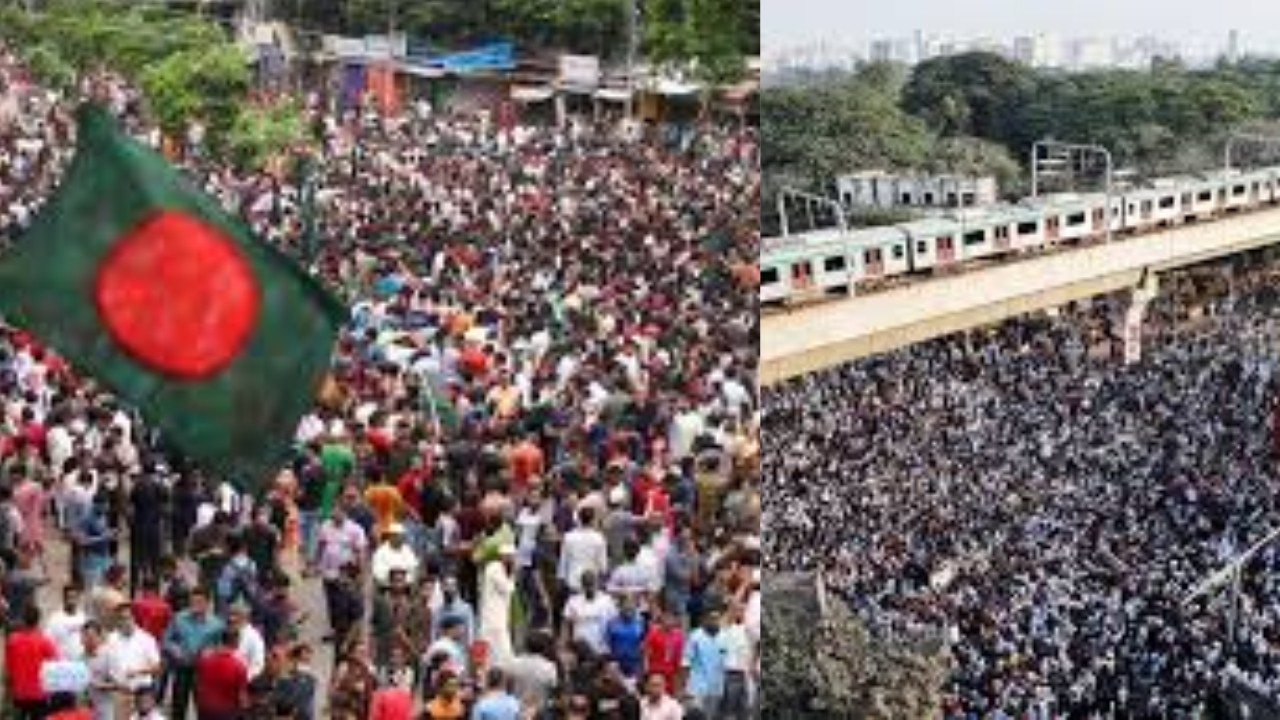
The death of student leader Sharif Osman Hadi has triggered a dangerous wave of instability across Bangladesh, transforming an “uneasy calm” into a cycle of lawlessness. As the nation mourns a revolutionary figure, the streets of Dhaka have become a stage for targeted attacks on democratic institutions and minority communities.
Thank you for reading this post, don't forget to subscribe!1. The Death of a Student Icon
The catalyst for the current unrest was the passing of Sharif Osman Hadi at a hospital in Singapore. Hadi, a central figure in the student-led movement, died from gunshot wounds sustained during a previous ambush.
- The Funeral: In a sign of Hadi’s significant influence, Chief Advisor Muhammad Yunus personally attended the burial.
- The Reaction: Rather than bringing closure, Hadi’s death has radicalized his followers, who have taken to the streets demanding immediate “justice” through non-state means.
2. Media Under Siege: The Vandalism of ‘The Daily Star’
The ground report by Ashutosh Mishra captures a chilling scene at the headquarters of The Daily Star. What was once a hub for journalism is now a shell of broken glass and charred newsrooms.
- Targeting Truth: Mobs have systematically targeted the “fourth pillar of democracy,” accusing major media houses of bias.
- The Scars of Violence: The report describes the physical and psychological toll on journalists, highlighting a climate where the press can no longer operate without the threat of physical annihilation.
3. The Lynching of Deepu Das: A Communal Crisis
Perhaps the most harrowing aspect of the escalating crisis is the rise of fundamentalist-driven violence. The brutal lynching of Deepu Das, a Hindu man, has sent shockwaves through the country’s minority communities.
- The Incident: Das was targeted by a mob amidst a surge in religious extremism.
- Government Response: While authorities have announced the arrest of 10 individuals in connection with the murder, the incident underscores a breakdown in the rule of law.
4. A Nation on the Edge
The report paints a grim picture of a country caught between a revolutionary past and an uncertain future.
- Lawlessness: Despite the presence of an interim government, the streets are largely governed by the “rule of the mob.”
- Regional Impact: The crisis is no longer a domestic issue for Bangladesh; the instability on India’s doorstep has raised serious concerns regarding regional security and the protection of human rights.