The 1996 Port Arthur massacre transformed Australia from a frontier society with lax regulations into a global model for gun control. However, recent discussions among state and federal leaders suggest that while the National Firearms Agreement (NFA) was a landmark success, several “legal gaps” still allow individuals to build significant private arsenals.
Thank you for reading this post, don't forget to subscribe!The Mechanism of Ownership
In Australia, you do not have a “right” to bear arms; you have a conditional privilege. To obtain a license, an applicant must prove a Genuine Reason, such as:
- Primary production (farming)
- Professional pest control
- Recreational hunting (requires permission from a landowner)
- Target shooting (requires active membership in a registered club)
How “Stockpiling” Occurs Legally
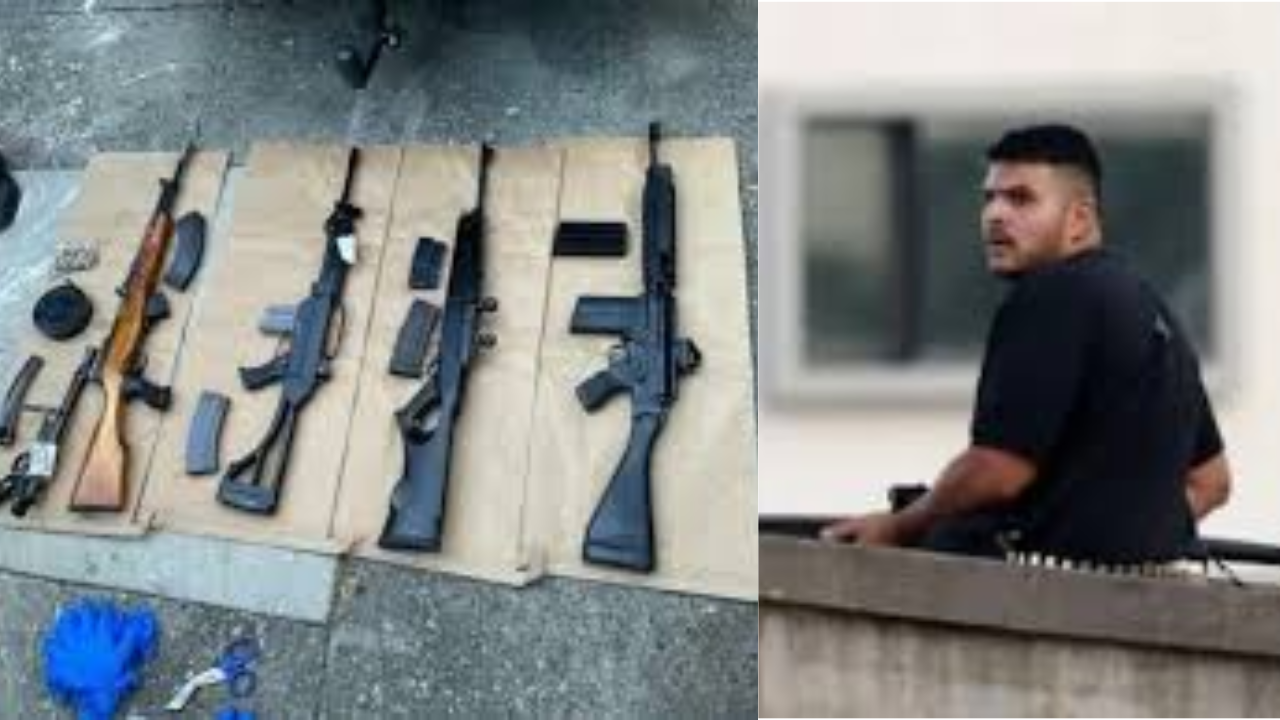
The primary “loophole” often cited by gun control advocates is the lack of a legislative cap on the number of firearms a single person can own.
- The PTA Process: For every gun purchased, a licensee must apply for a Permit to Acquire (PTA). If the applicant already has the correct license category (e.g., Category A/B for rifles and shotguns) and has compliant storage (a steel safe bolted to the floor), police generally grant the permit.
- Genuine Need vs. Genuine Reason: While a person must have a reason to own a gun, they often don’t have to prove a specific need for a fifth or sixth firearm of the same type. This allows enthusiasts to accumulate various models for different types of competition or hunting.
- The “Club” Pathway: Joining a gun club is the most common way for urban residents to obtain high-powered firearms. As long as the member remains “active,” they can maintain their collection.
Modern Vulnerabilities in the NFA
While the 1996 reforms were strict, critics argue that nearly 30 years later, the laws are being “watered down” or bypassed:
- State Inconsistency: Because gun laws are managed by States and Territories rather than the Federal government, registry data is often fragmented. An individual flagged in one state might not immediately be restricted in another.
- Ammunition Access: Unlike the firearms themselves, the amount of ammunition a licensee can purchase and store is often less strictly monitored, depending on the jurisdiction.
- The Citizenship Factor: In most states, permanent residents—not just citizens—can hold firearms licenses. This relies heavily on international background checks, which can vary in reliability.
The Albanese Government’s Proposed Reforms
Following recent concerns about domestic extremism and public safety, Prime Minister Anthony Albanese and state leaders have moved to establish a National Firearms Register. This digital system aims to provide police with real-time, cross-border information on:
- Who owns a gun.
- Where those guns are stored.
- Whether the owner has recent domestic violence orders or mental health flags in other states.
Note on Accuracy: It is important to clarify that the “Bondi Beach massacre” described in some online reports is not a real event. The most recent major incident in that area was a mass stabbing in April 2024. However, the legislative gaps discussed here remain a high-priority topic for Australian policymakers.