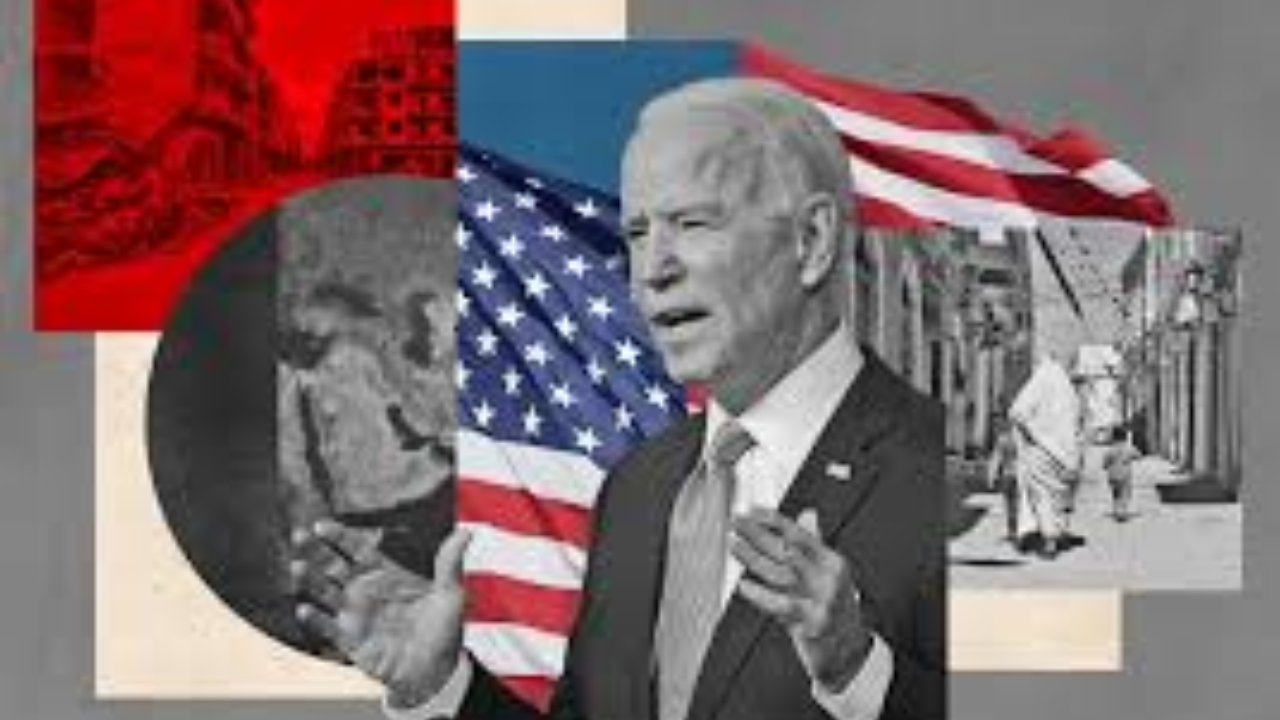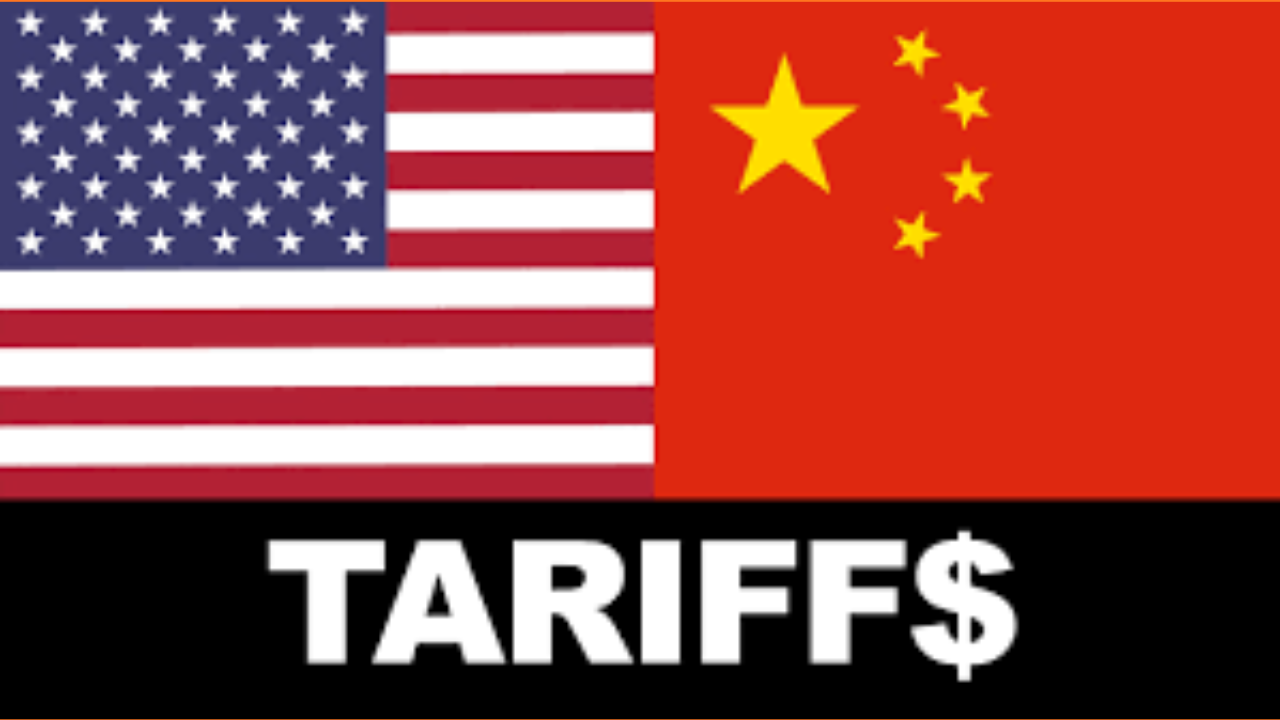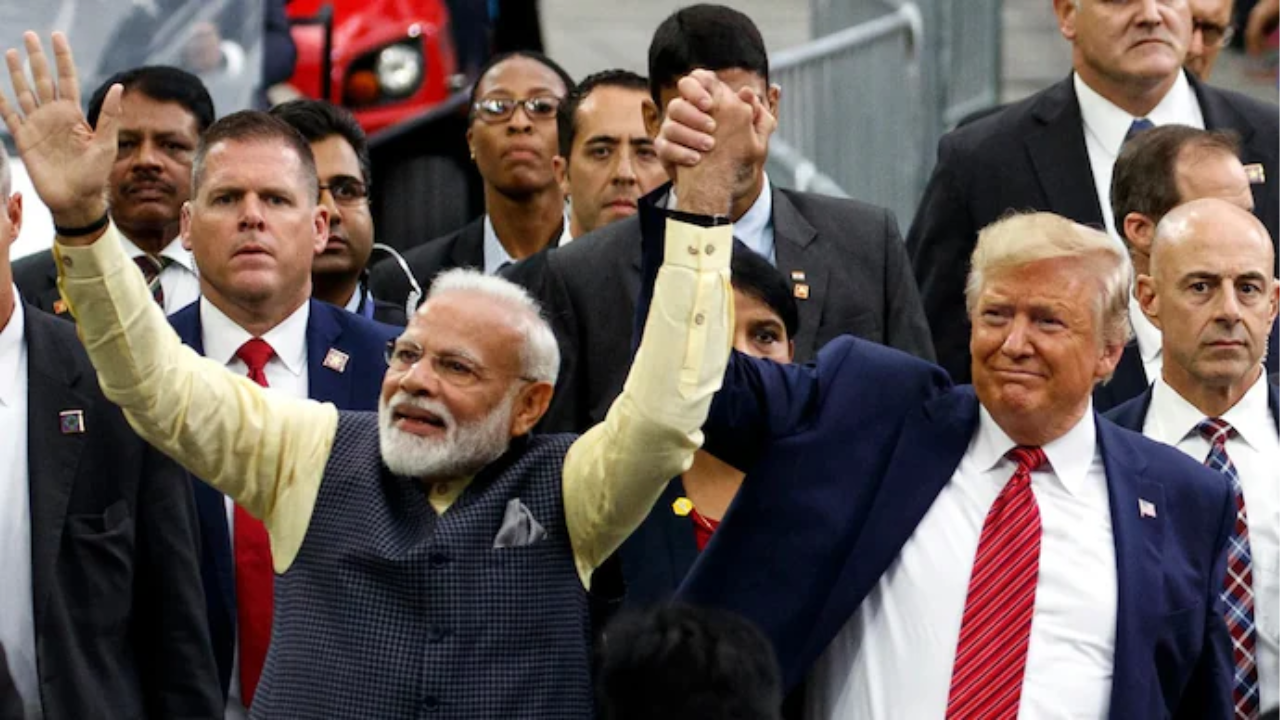
Reports suggest that President Donald Trump is exploring an “audacious” geopolitical concept—a ‘Core 5’ or C5 superclub—intended to function as a powerful alternative to the established Group of Seven (G7).
Thank you for reading this post, don't forget to subscribe!The Proposed C5 Membership
The C5 group would reportedly bring together five of the world’s most powerful and populous nations under one strategic umbrella:
- United States
- Russia
- China
- India
- Japan
India’s Pivotal Role
India’s inclusion as “Asia’s largest democracy” is seen as a key component of this powerful new bloc. The C5 framework marks a significant potential shift in U.S. strategy, moving away from a primary focus on European allies to prioritize engagement with major emerging powers like India.
The proposal suggests the C5’s membership is based on global power and population size (countries with over 100 million people), setting it apart from the G7, which focuses on shared democratic values and wealth.
Key Implications and Agenda
- Geopolitical Reordering: If formed, the C5 would be the most powerful bloc in history, uniting traditional rivals (US/Russia/China) and major Asian powers (India/Japan), potentially redrawing the global map.
- The End of the Quad: The creation of the C5 would reportedly mean the “death knell for the Quad”—the existing security dialogue between the US, India, Japan, and Australia.
- Initial Focus: The first reported agenda item for the C5 would be Middle East security, specifically aiming to normalize relations between Israel and Saudi Arabia.
Status of the Proposal
The idea was cited by Defence One, which claimed the C5 proposal was included in an unpublished version of the U.S. National Security Strategy. However, the White House has officially declined to confirm the existence of such a plan.