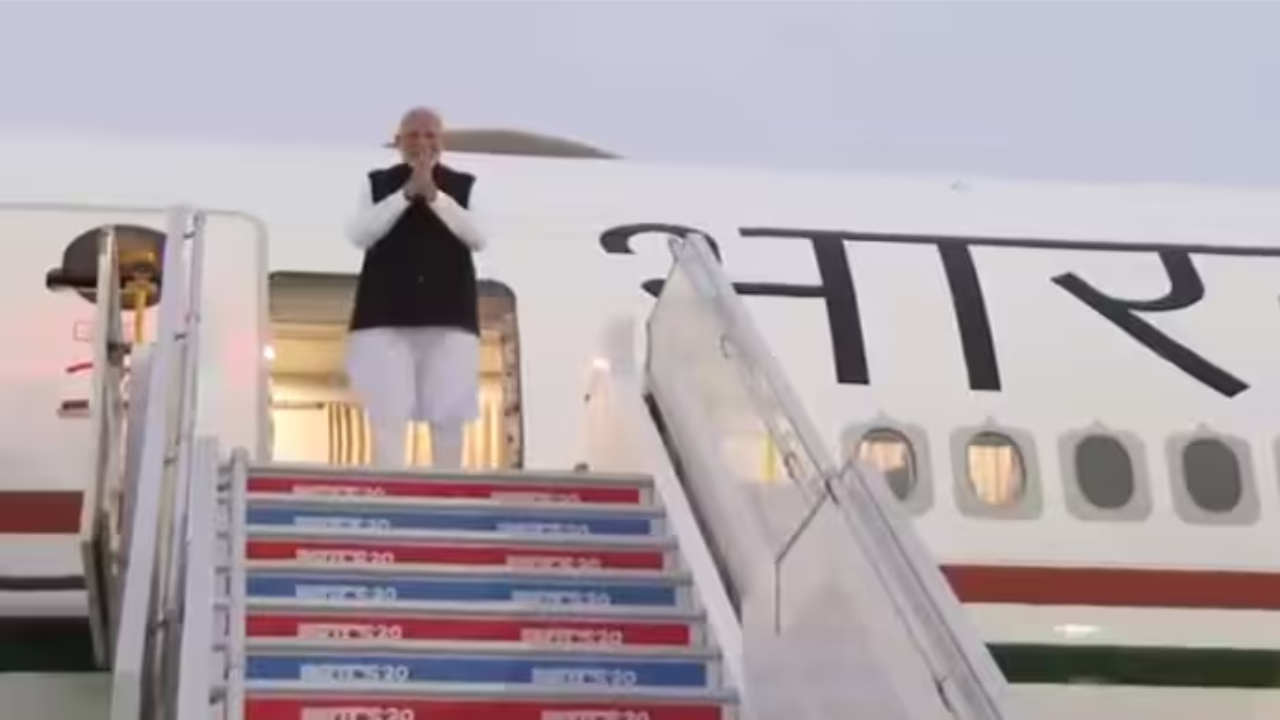
Prime Minister Narendra Modi’s upcoming visit to Jordan on December 15–16 is a pivotal diplomatic maneuver designed to reinforce India’s strategic standing in West Asia. This visit, the first stand-alone bilateral trip, carries heightened significance as the region navigates a landscape reshaped by post-Gaza tensions, shifting alliances, and escalating security concerns. By deepening engagement with Jordan—a trusted, moderate, and stable Arab partner—New Delhi is positioning itself as a responsible and engaged regional actor.
Thank you for reading this post, don't forget to subscribe!The Political and Strategic Imperative
The timing of the visit is crucial. As India and Jordan celebrate 75 years of diplomatic relations, the engagement transcends mere commemoration. Amman holds a unique geopolitical position:
- Custodial Role in Jerusalem: As the official custodian of Muslim holy sites in Jerusalem, Jordan is an indispensable voice in the Israel-Palestine dialogue.
- Alignment on Peace: Jordan’s steadfast support for a two-state solution mirrors India’s long-held position. Modi’s consultations will offer a vital opportunity for India to reaffirm its humanitarian commitment and coordinate strategic positions with a moderate state in a high-tension environment.
- Regional Stability: Jordan has a long-standing tradition of playing a stabilizing role during regional crises and backs India’s key foreign policy stances, including the Neighbourhood First approach.
The Economic Bridge: Trade and Connectivity
The economic dimension is equally robust and future-oriented:
- Significant Trade Volume: Bilateral trade hit nearly USD 2.9 billion in 2023–24, establishing India as Jordan’s fourth-largest trading partner.
- Vital Resource Imports: India’s agricultural sector relies heavily on critical imports of fertilisers and phosphates from Jordan.
- New Growth Sectors: Jordan’s ongoing economic reforms are opening doors for Indian investment and collaboration in high-potential areas like renewable energy, fintech, automobiles, and advanced manufacturing.
- The IMEC Factor: Jordan’s relevance is substantially enhanced by the proposed India-Middle East-Europe Economic Corridor (IMEC), which is expected to transit through the country. This connectivity project provides Indian firms with clear opportunities in digital infrastructure and industrial partnerships, leveraging Jordan’s proximity to the eastern Mediterranean energy basin.
In essence, Modi’s visit is a pragmatic move signaling India’s intent to secure its geopolitical, economic, and diaspora interests by forging a durable partnership with a key anchor of stability in a volatile West Asia.