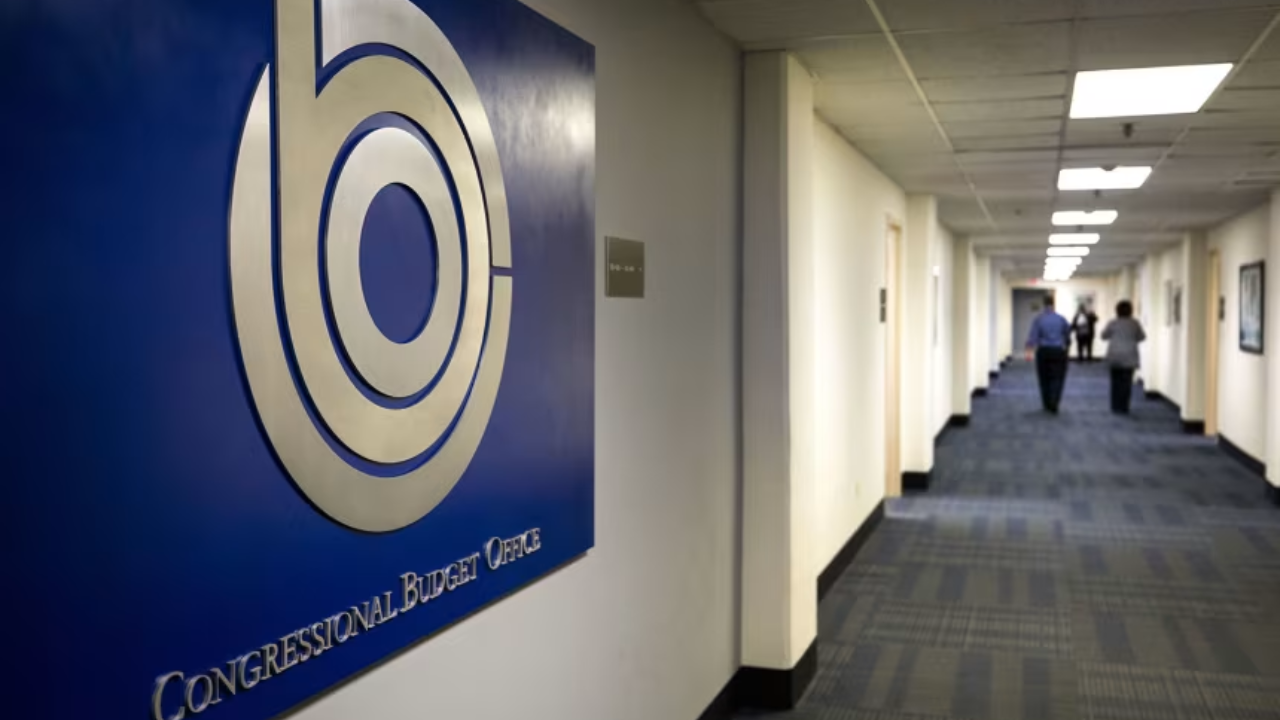
The Congressional Budget Office (CBO), the nonpartisan agency that provides Congress with crucial economic and budgetary analysis, has been targeted by a sophisticated cyberattack. The breach potentially exposed confidential communications between the CBO and congressional offices.
Thank you for reading this post, don't forget to subscribe!Key Details of the Security Incident
- The Target: The CBO’s network, which holds sensitive information including cost estimates for legislation, long-term US budget projections, and analysis of the President’s budget. This data is highly valuable to foreign intelligence services seeking insight into US economic policy.
- The Suspect: A US official briefed on the incident indicated that Chinese state-backed hackers are suspected of orchestrating the breach. China’s embassy in Washington, D.C., however, maintains that Beijing “strictly combats all forms of cyberattacks.”
- Status & Warning: The Senate sergeant at arms informed congressional staff that the incident was “ongoing.” Staffers were urgently advised to avoid clicking on links sent from CBO accounts, as those accounts might still be compromised.
- CBO Response: CBO spokesperson Caitlin Emma confirmed the “security incident,” stating the agency has taken immediate action to contain it, implemented new security controls, and is actively investigating. Work for Congress is reportedly continuing despite the breach.
Context and Security Concerns
This hack is one of several recent incidents linked to China that have targeted non-public US policy information amid ongoing trade tensions. For example, a powerful law firm involved in US-China trade navigation was also recently breached.
The timing of the CBO hack also highlights a critical vulnerability:
The incident occurred while the federal government was shut down for a record 37 days, leaving key agencies like the Cybersecurity and Infrastructure Security Agency (CISA) with resources “stretched thin” and much of their workforce furloughed.
The constant threat from state-backed actors and criminals clearly remains high, regardless of the operational status of federal defense agencies.