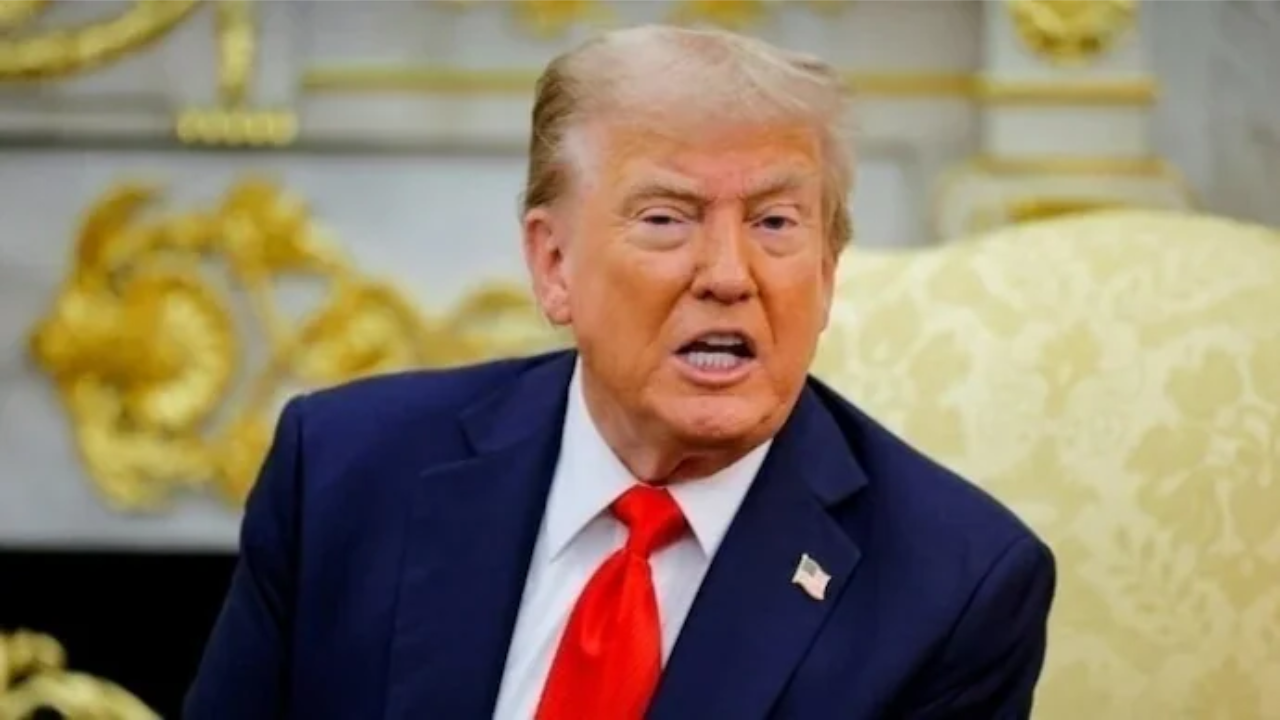
WASHINGTON, D.C. – Following skeptical questioning from Supreme Court Justices this week regarding the legality of his administration’s sweeping tariff policies, President Donald Trump stated he would develop a “Game Two” plan if the top court rules against him.
Thank you for reading this post, don't forget to subscribe!The President called the potential ruling, which would strike down tariffs implemented under emergency powers, “devastating for our country,” but conceded the need for a contingency strategy.
The Core Constitutional Challenge
The high-stakes Supreme Court case centers on whether the President exceeded his authority by using the International Emergency Economic Powers Act (IEEPA) of 1977 to levy broad tariffs. Traditionally, the power to impose taxes or tariffs is reserved for the U.S. Congress under the Constitution.
- Judicial Skepticism: Both conservative and liberal Justices expressed significant doubts during the oral arguments, questioning whether IEEPA grants the President near-limitless power to impose duties with massive global economic implications.
- The “Tariffs as Taxes” Debate: Justice Sonia Sotomayor and others challenged the administration’s argument that the duties are merely “regulatory,” stating directly, “You say tariffs are not taxes, but that’s exactly what they are. They’re generating money from American citizens, revenue.”
President Trump’s Defense and Contingency
President Trump defended the tariffs as a vital “matter of national security” and a critical tool for negotiating better trade deals.
“I think it would be devastating for our country, but I also think that we’ll have to develop a ‘game two’ plan. We’ll see what happens,” Trump told reporters in the Oval Office. He acknowledged that alternative trade measures, though possible, would likely be “slow by comparison” to the current “instantaneous” action under IEEPA.
The Potential ‘Game Two’ Alternatives
Should the Supreme Court invalidate the current tariffs, trade analysts suggest the administration would pivot to other legal statutes, including:
- Section 301 (Trade Act of 1974): Allows tariffs to combat a trading partner’s “unfair” trade practices. This process is generally slower and more country-specific.
- Section 232 (Trade Expansion Act of 1962): Used to impose duties on imports deemed a threat to national security (like the existing steel and aluminum tariffs).
- Section 338 (Tariff Act of 1930): An untested, Depression-era provision allowing duties of up to 50% on countries that discriminate against U.S. commerce.
The ruling, expected in the coming weeks or months, is seen as a landmark decision that will define the extent of presidential power in U.S. trade policy. A loss could require the administration to return potentially trillions of dollars in tariffs already collected.
Do you want me to generate a new post focusing specifically on the economic implications if the Supreme Court rules against the current tariffs?