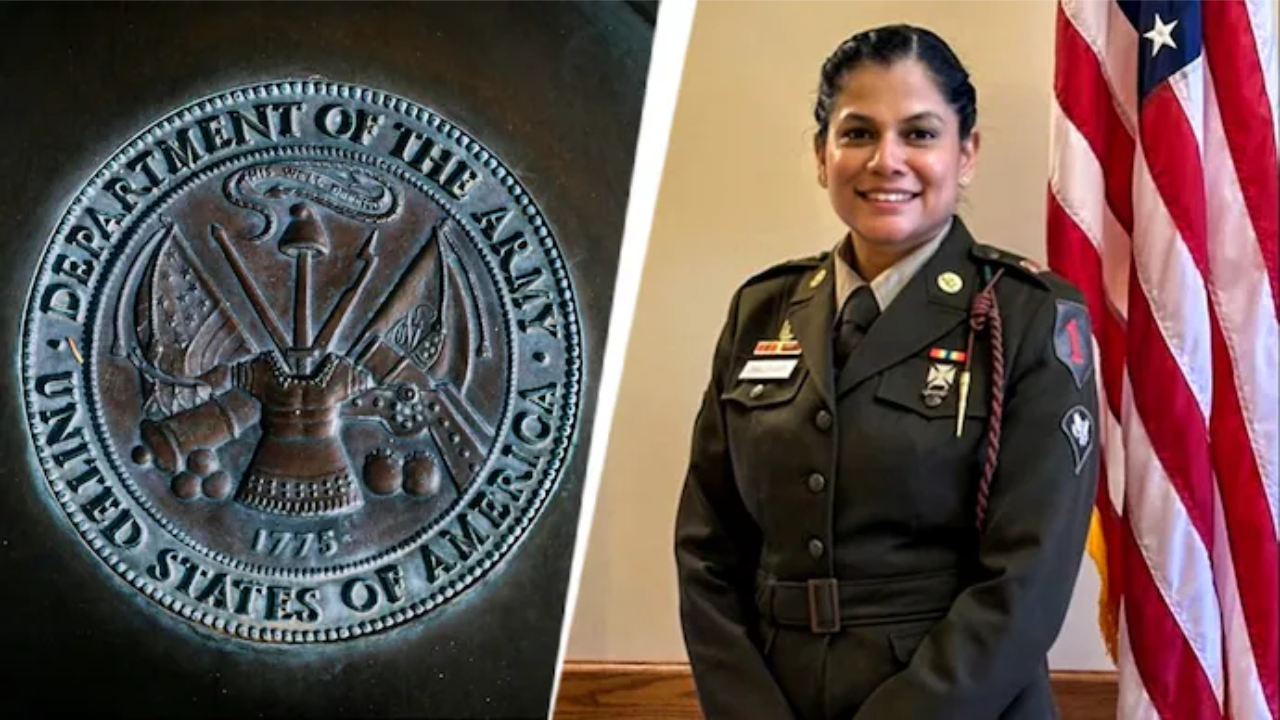
Amid tightening US immigration policies and rising anti-immigrant sentiment, thousands of immigrants are taking the fastest route to the American dream: joining the US military.
Thank you for reading this post, don't forget to subscribe!The story of 38-year-old Shilpa Chaudhary, an Indian Green Card holder serving in the US Army, perfectly illustrates this complex reality. While the US government tightens visa screws and ramps up deportations, Uncle Sam has a notable exception: a warm welcome for those willing to enlist and fight.
Why Immigrants Choose the Uniform
For foreign nationals who are Lawful Permanent Residents (Green Card holders), military service is not just a career—it’s a citizenship fast-track.
Normally, becoming a US citizen takes five years of permanent residency. But by joining the Army, Navy, or Air Force, immigrants can apply for citizenship after just one year of honorable service, sometimes even sooner during periods of conflict. This provision waives the typical long waiting periods and application fees.
The Military’s Dilemma: Recruitment Shortfalls
The reason America allows foreigners to enlist is simple: recruitment shortfalls.
The US military has been shrinking for decades while its global commitments have not. In recent years (2022 and 2023), the Army missed its recruitment targets by roughly 25%. Facing a constant need for personnel, the military relies on the dedication of non-citizens like Chaudhary to fill critical roles.
Meet Shilpa Chaudhary: A Chemical, Biological, Radiological, and Nuclear (CBRN) specialist (74 Delta), Shilpa is using social media (YouTube, TikTok) to share her journey, explaining the military’s benefits, pay, and the expedited naturalization process to others.
Perks of Service
Beyond citizenship, immigrants gain access to a host of valuable benefits:
- Stable Pay: An entry-level E1 earns about $2,000 per month, plus allowances for housing and subsistence.
- Education: The GI Bill covers full college or master’s tuition after four years of service, plus an annual $4,000 education benefit for the soldier and their spouse.
- Career Mobility: Promotions depend on performance, including physical and marksmanship tests.
As US immigration becomes more restrictive, stories like Shilpa Chaudhary’s underscore a powerful trade-off: service and sacrifice are increasingly becoming the price of inclusion in America.
What are your thoughts on this trade-off? Would you like to explore the specific details of the GI Bill benefits mentioned here?