For the first time in history, renewable energy has eclipsed coal in the global electricity mix, marking a watershed moment in the fight against climate change. However, as policy shifts in major Western economies threaten to slow this momentum, India is emerging as a critical leader, demonstrating that sustainable growth and climate responsibility can be two sides of the same coin.
Thank you for reading this post, don't forget to subscribe!The Global Shift Hits a Speed Bump
The first half of 2025 saw a historic power shift, with data showing a new global energy landscape:
- Renewables: 34.3%
- Coal: 33.1%
- Natural Gas: 23%
This transition was overwhelmingly driven by a staggering 31% jump in solar power generation. Yet, this progress is fragile. The International Energy Agency (IEA) has already downgraded its global forecast, now expecting 4,600 GW of new renewable capacity by 2030. This revision casts doubt on the world’s ability to triple its clean energy output, a goal that now seems achievable only with a renewed commitment from developed nations.
India: A Beacon in a Hazy World
While global trends show signs of wavering, India’s renewable sector is accelerating at an unprecedented pace. The nation’s recent achievements paint a picture of bold ambition and rapid execution:
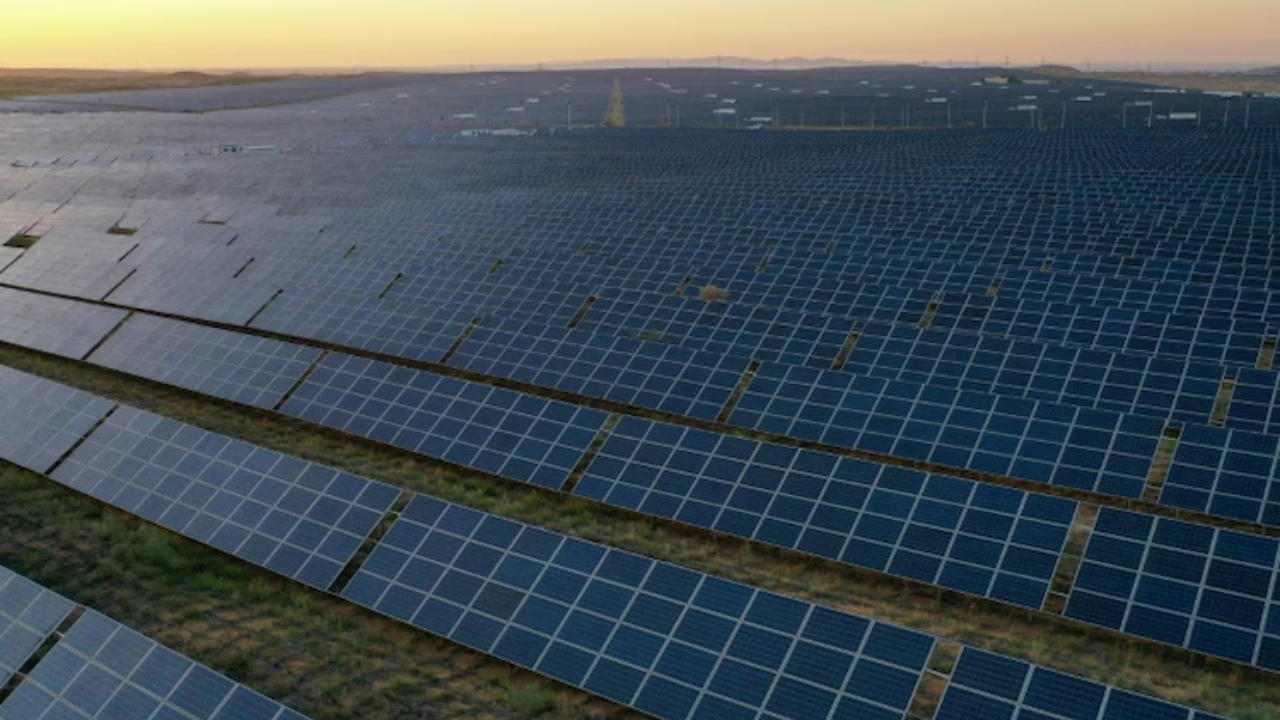
- Record Solar Growth: India installed 24 GW of new solar capacity in 2024 alone, more than doubling the additions from the previous year.
- Global Powerhouse: It has now surpassed Germany to become the world’s third-largest generator of wind and solar power.
- Target Achieved Early: In mid-2025, India crossed a monumental milestone, with 50.08% of its installed electricity capacity coming from non-fossil fuel sources—a goal it wasn’t expected to reach until 2030.
- A Decade of Transformation: Non-fossil fuel capacity has surged from just 87 GW in 2014 to nearly 243 GW by mid-2025.
The Reality Check: From Capacity to Kilowatts
While these figures are impressive, installed capacity tells only half the story. The true test lies in converting this potential into consistent, reliable power. Here, India faces significant hurdles:
- The Generation Gap: Although renewables make up over a third of installed capacity, they currently generate only about a quarter of India’s actual electricity.
- Coal’s Lingering Dominance: Fossil fuels, primarily coal, remain the workhorse of the Indian grid, supplying over 70% of the nation’s power.
- The Demand Deficit: A recent study warns that even with its aggressive expansion plans, India could face an electricity shortfall of nearly 12% by 2030 as demand continues to soar.
- Infrastructure Bottlenecks: Modernizing the grid, overcoming transmission constraints, securing financing, and acquiring land remain major operational challenges.
This duality is reflected in the 2025 Climate Change Performance Index (CCPI), which praises India’s rapid deployment and low per-capita emissions but flags its continued reliance on coal as a “persistent risk.”
The Path Forward: A Blueprint for the Developing World?
With the global energy transition at a crossroads, India has a unique opportunity to step into a leadership role. Its success in rapidly building capacity is undeniable, but the next phase is even more critical. To close the gap between capacity and generation, India must urgently focus on:
- Integrating Energy Storage: Deploying batteries and other storage solutions to ensure power is available even when the sun isn’t shining or the wind isn’t blowing.
- Strengthening the Grid: Investing in modern, flexible transmission infrastructure to manage the variability of renewable sources.
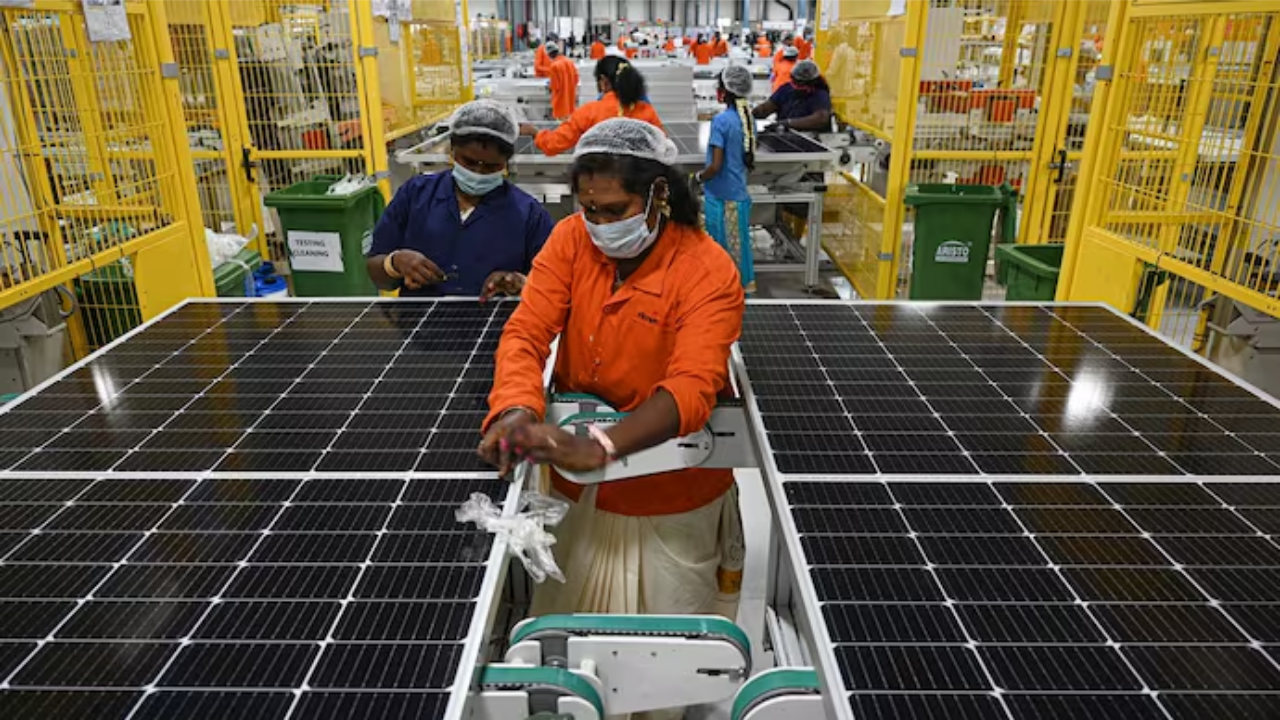
- Boosting Manufacturing: Expanding domestic production of solar panels, turbines, and other green technologies.
If India can successfully navigate these challenges, it will do more than just power its own economy. It could become the world’s leading example of how a developing nation can achieve economic prosperity while spearheading the global fight against climate change.
A New Dawn for Clean Energy: Can India Guide the Global Green Transition?
For the first time in history, renewable energy generation from solar and wind has officially surpassed coal in the global electricity mix, marking a pivotal moment in the fight against climate change. However, as shifting policies in major economies threaten to slow this momentum, the world’s ability to meet its ambitious 2030 clean-energy targets is in question.
Amid this uncertainty, India is emerging as a critical leader, demonstrating that sustainable growth and climate responsibility can be pursued in tandem.
The Global Shift in Numbers
In the first half of 2025, a significant shift occurred in the world’s power generation:
- Renewables: Accounted for 34.3% of global electricity.
- Coal: Dropped to 33.1%.
- Gas: Held steady at around 23%.
This surge was overwhelmingly driven by a staggering 31% jump in solar power generation, complemented by a 7.7% growth in wind energy.
However, experts caution that this pace may not be sustainable. In the United States, for example, the rollback of tax incentives and new regulatory hurdles under the Trump administration has dampened the growth forecast for renewables. The International Energy Agency (IEA) has consequently lowered its global renewable capacity forecast to 4,600 GW by 2030. Achieving the crucial 2030 tripling target now hinges on developed nations committing to robust and sustained clean energy policies.
India’s Renewable Revolution
While global trends show signs of wavering, India’s renewable sector is experiencing unprecedented growth. In 2024 alone, the nation added 24 GW of solar capacity—more than double the amount from 2023—and surpassed Germany to become the world’s third-largest generator of wind and solar power.
Key milestones for India include:
- Surging Capacity: Non-fossil fuel sources have grown from just 87 GW in 2014 to an impressive 242.78 GW by mid-2025.
- Achieving a Key Target: In mid-2025, India reached a landmark goal five years ahead of schedule, with non-fossil fuels now comprising 50.08% of its total installed electricity capacity.
The Challenge: From Capacity to Consistent Power
While installed capacity is a major victory, it doesn’t tell the full story. Renewables may account for over a third of India’s capacity, but they currently generate only about a quarter of its electricity. Fossil fuels, particularly coal, still provide over 70% of the nation’s power, remaining the backbone of the grid.
India has set an ambitious official goal of reaching 500 GW of non-fossil capacity by 2030. However, a recent study, “Can India’s Renewable Energy Targets Meet Demand?”, projects a potential 11.8% shortfall in meeting the country’s growing electricity needs, even with planned capacity additions.
Major hurdles remain, including:
- Grid Modernization: Upgrading the national grid to handle the variability of renewable sources.
- Infrastructure and Finance: Overcoming transmission bottlenecks, securing financing, and streamlining land acquisition.
- Energy Storage: Building capacity for energy storage to ensure a balanced and reliable grid.
India’s Role on the World Stage
Despite its challenges, India’s progress has earned it a spot among the top 10 performers in the 2025 Climate Change Performance Index (CCPI). The nation is recognized for its low per-capita carbon footprint and rapid deployment of clean energy. However, the CCPI also notes India’s continued reliance on coal and plans for its expansion as significant risks.
As the global shift to renewables reaches a critical juncture, India has a unique opportunity to lead. Its early achievement of the 50% non-fossil capacity target proves its potential. The next crucial step is to convert this capacity into consistent, reliable generation. This will demand urgent action in grid integration, energy storage solutions, and strategic investments in manufacturing and infrastructure.
If successful, India could become more than just a leading market for renewables. It could set a global standard, proving that a developing nation can power its growth sustainably and responsibly, paving the way for others to follow.