
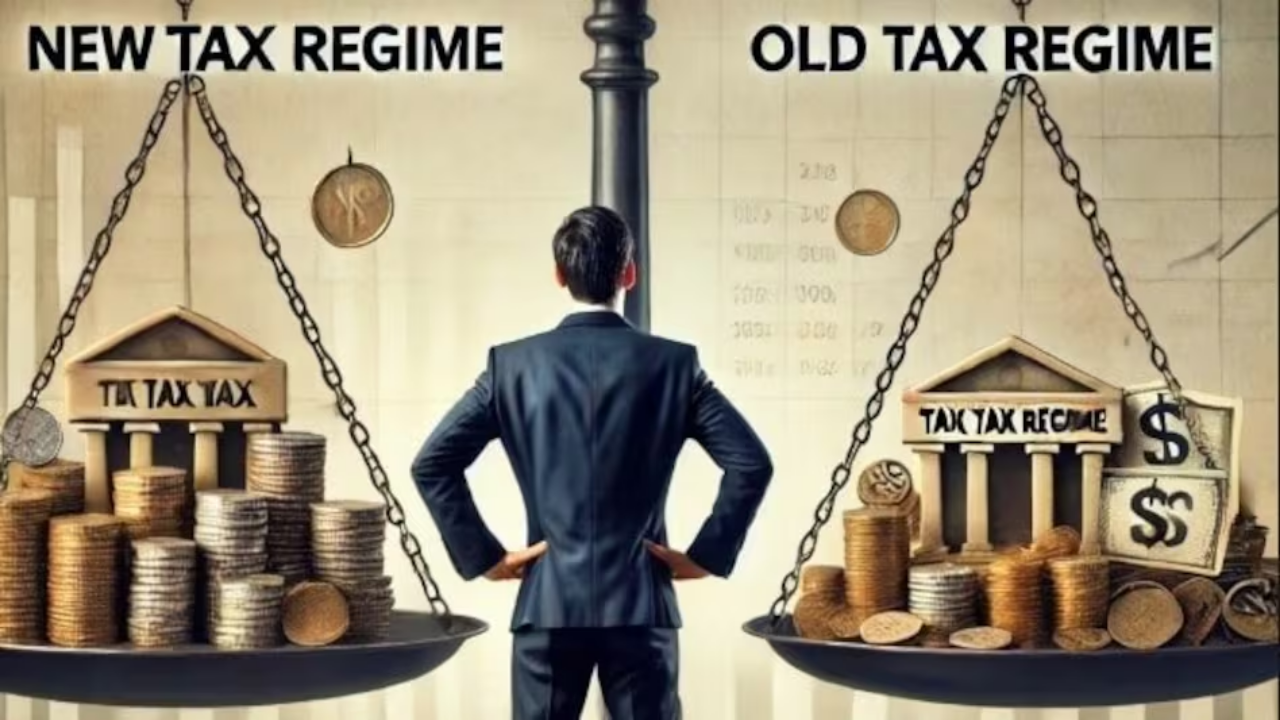
Tax time is here again, and for the 2025-26 assessment year, a critical choice awaits many. While both business owners and salaried employees have to pick a tax regime, their strategies and options are fundamentally different.
Thank you for reading this post, don't forget to subscribe!Here’s a breakdown of why a one-size-fits-all approach to tax planning just doesn’t work.
The Fundamental Difference in Strategy
The core of the issue lies in the sequence of tax planning.
- Employees earn their income first, and then work to manage their tax burden through a limited set of deductions and exemptions. Their tax-saving opportunities are largely structured by their employer and the tax code.
- Business owners and professionals, on the other hand, can “plan taxes first, then recognize income accordingly.” They have a broader opportunity to reduce their taxable income by strategically structuring business-related expenses.
Key Differences in How They Save Tax
For Salaried Employees:
Your tax strategy revolves around a predefined set of exemptions and deductions. Under the old tax regime, these include the standard deduction of ₹50,000, as well as deductions for investments (like under Section 80C), medical insurance premiums (Section 80D), and allowances like HRA and LTA. While these can significantly lower your taxable income, they are fixed and limit your flexibility. The new tax regime, while offering lower tax rates, removes most of these benefits.
For Business Owners and Professionals:
Your tax strategy is built around business-related expenses. Instead of relying on investment-based exemptions, you can significantly reduce your taxable income by deducting legitimate costs like:
- Office rent and employee salaries
- Business-related travel and depreciation on assets
- A portion of home expenses used for business purposes
For example, a consultant earning ₹15 lakh but incurring ₹8 lakh in expenses would only be taxed on ₹7 lakh. In this case, business deductions do the heavy lifting, not personal investments.
The All-Important Rule for Switching Regimes
The government’s new tax regime is the default option, but you can choose to opt out. The consequences of this choice, however, are very different for each group.
- Salaried Employees and Pensioners: You have the freedom to switch between the old and new tax regimes every single year when filing your ITR. This means you can evaluate which option is best for your unique financial situation annually.
- Business Owners and Professionals: The decision is nearly permanent. You can opt for the new regime once. If you later decide to switch back to the old regime, you can only do so once in your lifetime. After that, you’re locked out of the new regime forever.
This rule makes the choice for entrepreneurs a high-stakes, long-term strategic decision, unlike the year-to-year flexibility enjoyed by salaried individuals.
















Comments are closed.