Big Changes Ahead: India’s New GST 2.0 Plan Unveiled
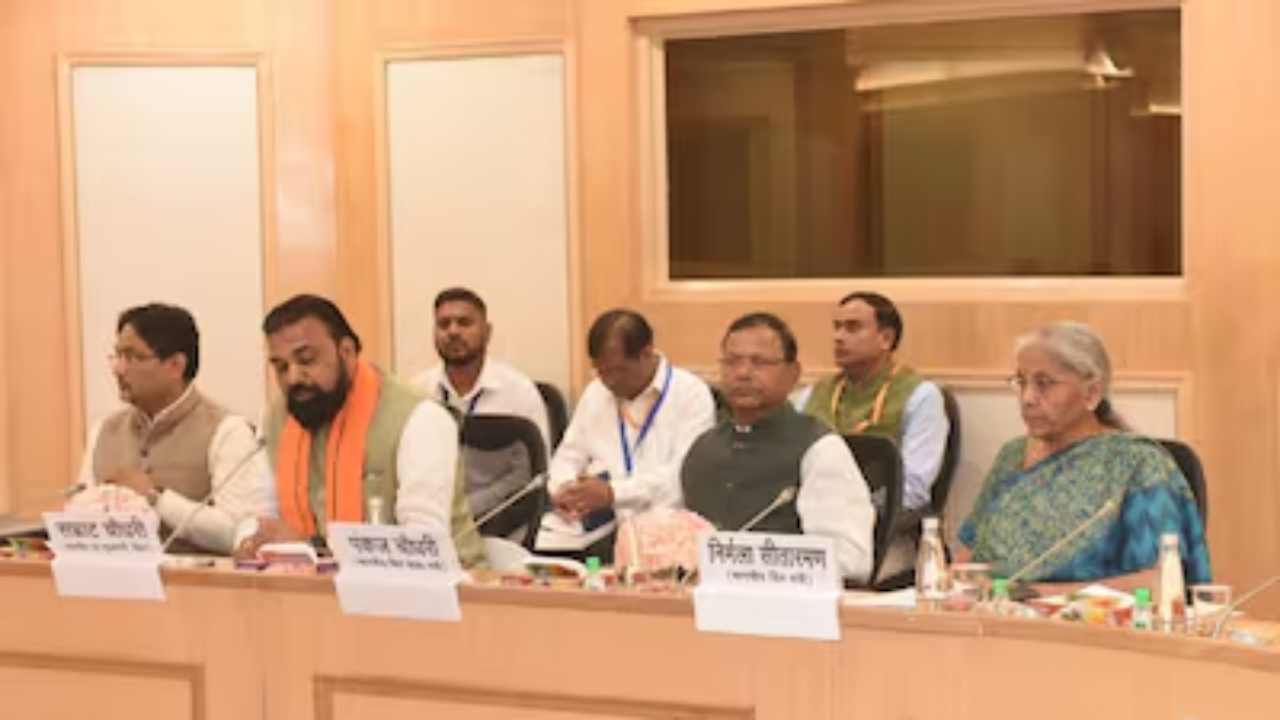
Thank you for reading this post, don't forget to subscribe!Finance Minister Nirmala Sitharaman has presented a new blueprint for the next generation of GST reforms, aiming to simplify the tax structure and make India more self-reliant. The changes, dubbed “GST 2.0,” are designed to benefit everyone from everyday citizens to small businesses and farmers. Prime Minister Narendra Modi’s goal is to have these reforms in place by Diwali 2025.
What’s Changing?
The core of the plan is a major simplification of the current tax system.
- Two-Slab System: The current four-tier GST structure (5%, 12%, 18%, and 28%) will be streamlined into just two slabs: 5% and 18%. This will make pricing clearer and reduce classification disputes.
- Many items currently taxed at 12% will likely move to the lower 5% bracket, making essential goods more affordable.
- Items in the 28% slab, like many consumer electronics, are expected to drop to 18%, making them more accessible to the middle class.
- A special 40% tax rate will be reserved for a few items, including “sin goods” like tobacco.
- Goodbye GST on Insurance? The Centre has also proposed a significant change for individuals: exempting health and life insurance premiums from GST. This could make securing personal and family insurance much more affordable.
- Helping Businesses: The new system also aims to fix complex “inverted duty structures” and create a more straightforward, growth-friendly tax environment for manufacturers and MSMEs.
What’s Next?
While these proposals sound promising, they’re not final. The Centre’s blueprint has been shared with a Group of Ministers (GoMs) from various states, who will now deliberate on the changes and finalize their reports. Once their work is complete, the proposals will be placed before the GST Council for approval.
These reforms are a big step towards a simpler, more transparent tax system, with the potential to boost the economy and ease the financial burden on millions of Indians.