South Korea’s Exports Soar in July, Fueled by Semiconductors and Tariff ‘Front-Loading’
Thank you for reading this post, don't forget to subscribe!South Korea’s export momentum remained strong in July, with customs data showing a 5.9% increase from a year earlier, exceeding the consensus forecast of 5.1%. This growth was primarily driven by robust demand for semiconductors and solid vehicle sales.
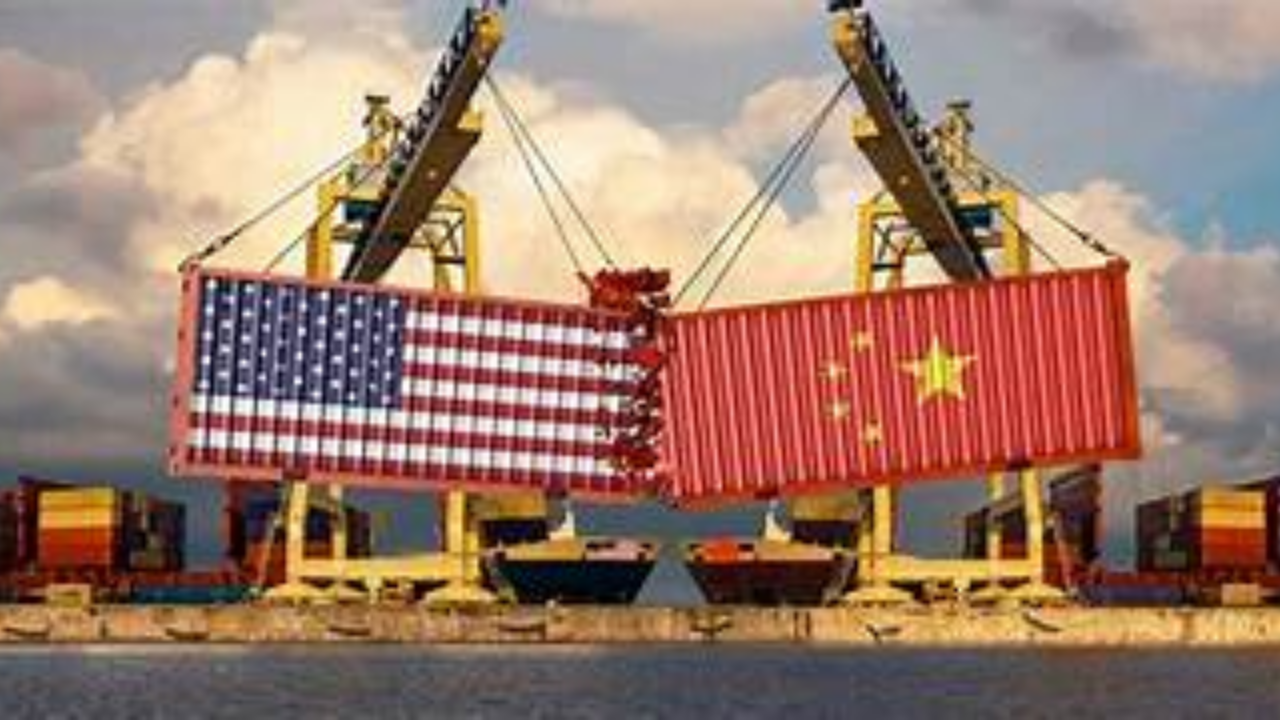
A significant factor behind the surge was “front-loading,” where companies rushed to ship goods to the U.S. ahead of a scheduled tariff increase. This move was a strategic effort to beat the clock on new duties.
Averted Crisis and New Trade Realities
A last-minute trade deal between the U.S. and South Korea helped Korean manufacturers avoid a worst-case scenario. Instead of the previously threatened 25% duty, Washington will impose a 15% across-the-board tariff rate.
While this new rate is an increase from the previous 10% levy, it offers some relief for the automotive sector. The separate 25% duty on car exports to the U.S. will now be reduced to 15%. However, the deal did not provide significant relief for other key industries like steel.
According to a fixed-income strategist at Shinyoung Securities, Cho Yong-gu, this front-loading of shipments to the U.S. is unlikely to continue now that the new tariffs are in effect.
Key Drivers and Future Outlook
- Semiconductors: Exports of high-performance chips used in artificial intelligence were a major growth driver.
- Automobiles: Shipments rose by 8.8%, with strong demand from markets outside the U.S.
- Trade Partners: Exports to the U.S. increased by 1.4%, while shipments to China fell by 3% due to weaker demand for petrochemicals and wireless devices.
The trade surplus for the month was $6.6 billion, as imports saw a modest increase of 0.7%.
Economists, like Hyosung Kwon of Bloomberg Economics, believe that the temporary boost from front-loading will fade. As a result, export growth is expected to slow in the coming months, with the elevated U.S. tariffs acting as a continued drag on the economy. South Korea’s government has already passed a 31.8 trillion won ($23 billion) supplementary budget to help cushion against these external shocks.