The U.S. military announced on March 21, 2026, that Iranian forces’ capacity to blockade the Strait of Hormuz has been heavily compromised. This follows a targeted campaign against “invulnerable” underground missile silos and coastal defense systems.
Thank you for reading this post, don't forget to subscribe!The Military Impact
CENTCOM officials report that the strikes have effectively neutralized several “dark sites” that previously held advanced anti-ship weaponry.
- Silo Penetration: U.S. forces utilized GBU-72 “Bunker Buster” munitions to reach deeply buried facilities that were previously thought to be out of reach.
- Command & Control: Beyond physical missiles, the operation destroyed the radar networks and relay stations necessary for Iran to target moving vessels in the shipping lanes.
- Naval Attrition: Over the course of Operation Epic Fury, the U.S. has reportedly disabled over 130 Iranian vessels and dozens of mine-laying units.
Global and Diplomatic Fallout
The conflict has moved beyond a local skirmish, involving international territories and global markets:
- British Involvement: The U.K. recently shifted its policy, allowing the U.S. to launch operations from RAF Fairford and Diego Garcia.
- Iranian Retaliation: In an attempt to show its long-range reach, Iran fired ballistic missiles at Diego Garcia—thousands of miles away—though the U.S. reports these were successfully intercepted.
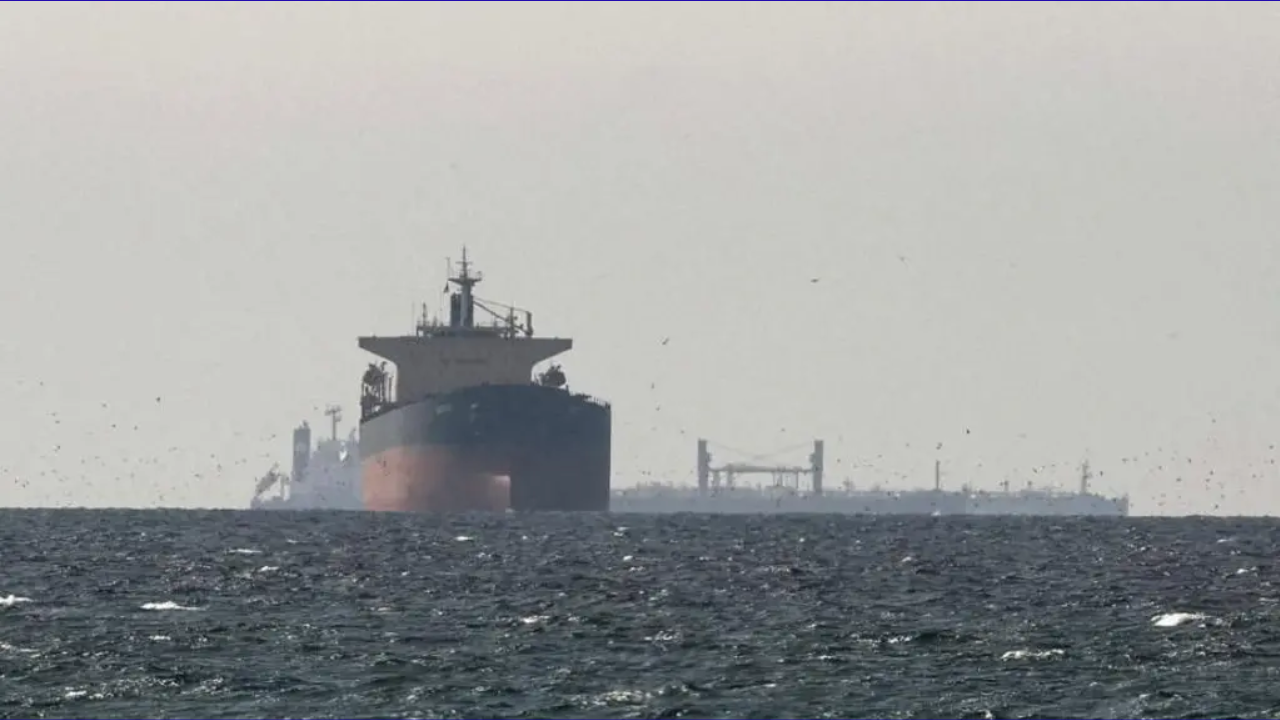
- Economic Strain: The three-week blockade has pushed crude oil prices past $105 per barrel, a spike of over 50% that continues to stress global economies.
The Outlook
While the U.S. claims Iran is “degraded,” the Strait remains a high-risk zone. Israeli officials have indicated that military pressure will increase in the coming days, while Washington maintains that the goal is a swift “wind down” once the shipping lanes are fully secured.