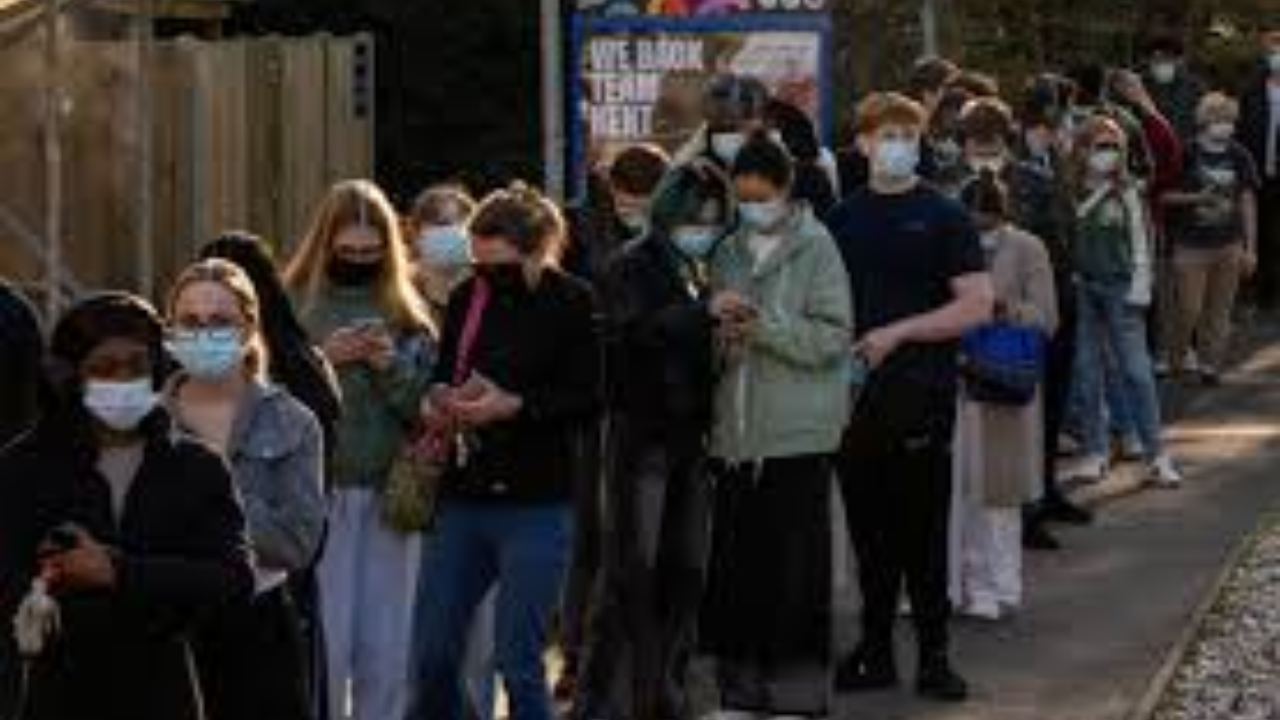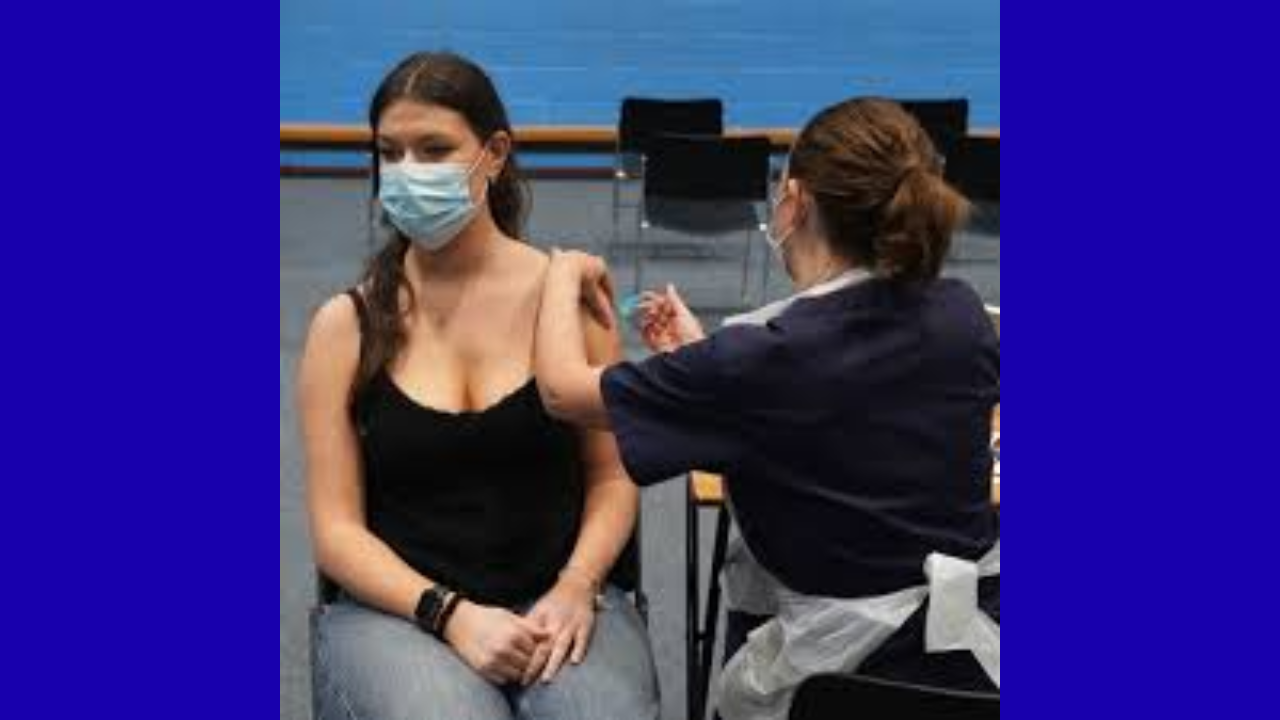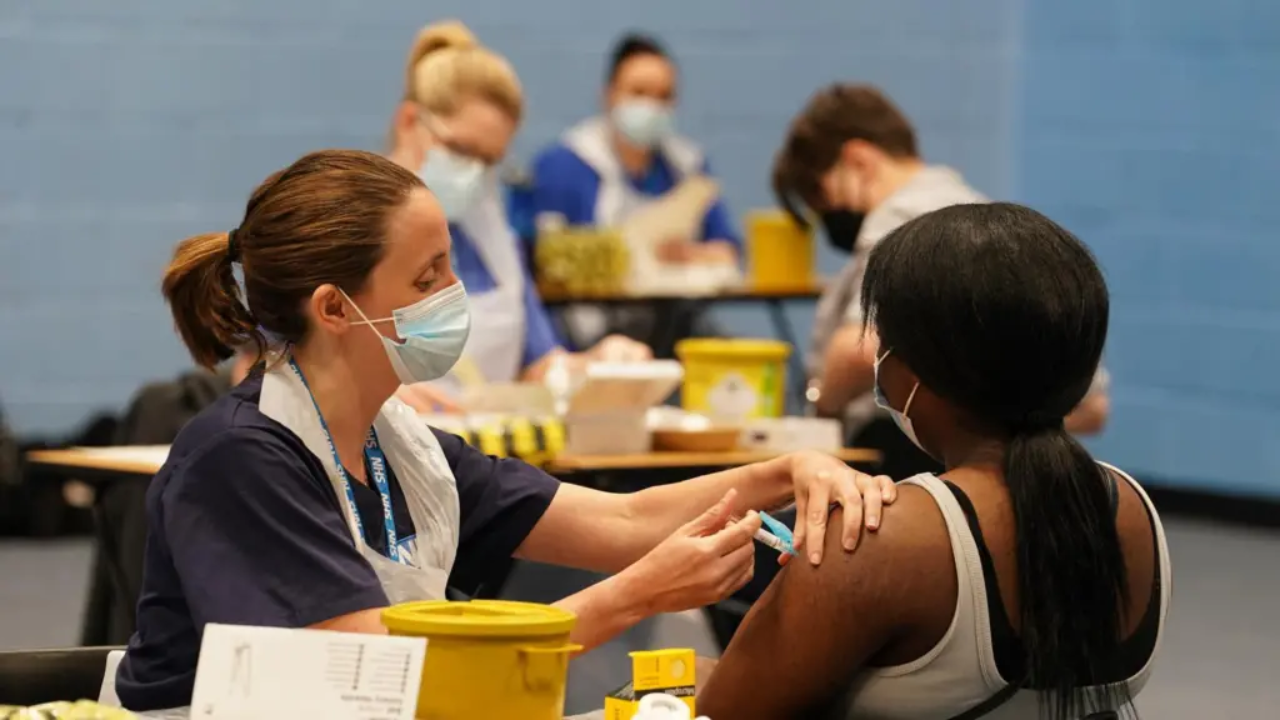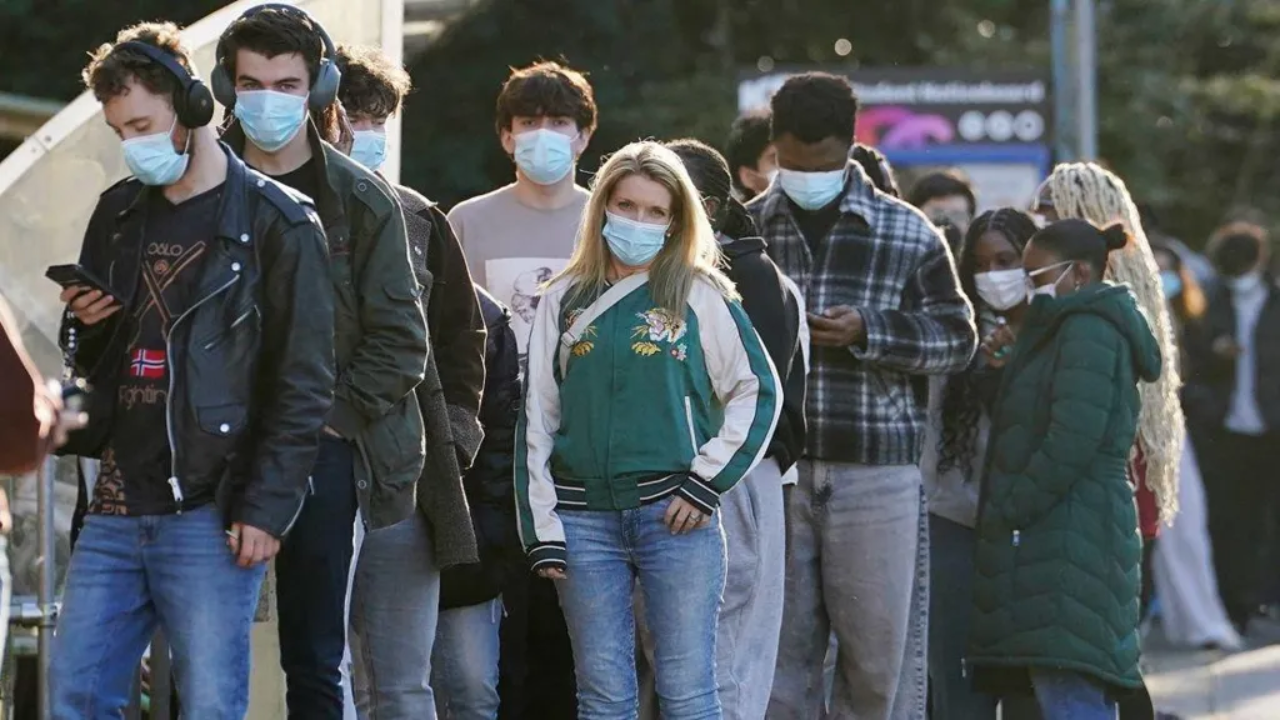
CANTERBURY, UK — A massive emergency vaccination drive is underway at the University of Kent today as health officials scramble to contain a “deadly and unprecedented” outbreak of Meningitis B.
Thank you for reading this post, don't forget to subscribe!The Scene on Campus
Lines of students now stretch from the university’s Sports Centre as the UK Health Security Agency (UKHSA) races to vaccinate over 5,000 residents. The atmosphere is one of high alert following the tragic deaths of two young people in the Canterbury area earlier this month.
Key Details of the Crisis
- The “Super-Spreader” Event: Health experts have traced the origin of the cluster to Club Chemistry, a popular local venue, between March 5 and March 7.
- Mass Prophylaxis: Beyond the vaccines, thousands of students are being issued a single-dose “rescue” antibiotic (Ciprofloxacin) to stop the bacteria from colonizing in their throats.
- The Immunity Gap: Officials warn that most current university students missed the 2015 introduction of the MenB vaccine in childhood, leaving this specific demographic highly vulnerable.
“This is a ring-fencing operation,” stated a UKHSA spokesperson. “We are moving fast to ensure that every student in high-risk accommodation is protected before the end of the week.”
Student Safety Checklist
With the outbreak ongoing, health officials are urging students to look for the “Big Three” symptoms that differentiate Meningitis from a standard hangover or flu:
- The Glass Test: A red/purple rash that does not disappear when a glass is pressed against it.
- Neck Stiffness: An inability to touch the chin to the chest.
- Light Sensitivity: Severe discomfort or pain when looking at bright lights (Photophobia).
Global Perspective
While Kent is the current flashpoint, similar “student queues” are appearing worldwide this month. From measles boosters in the U.S. to Tdap campaigns in Qatar, 2026 is becoming a pivotal year for closing the “immunity gaps” left behind by post-pandemic disruptions.