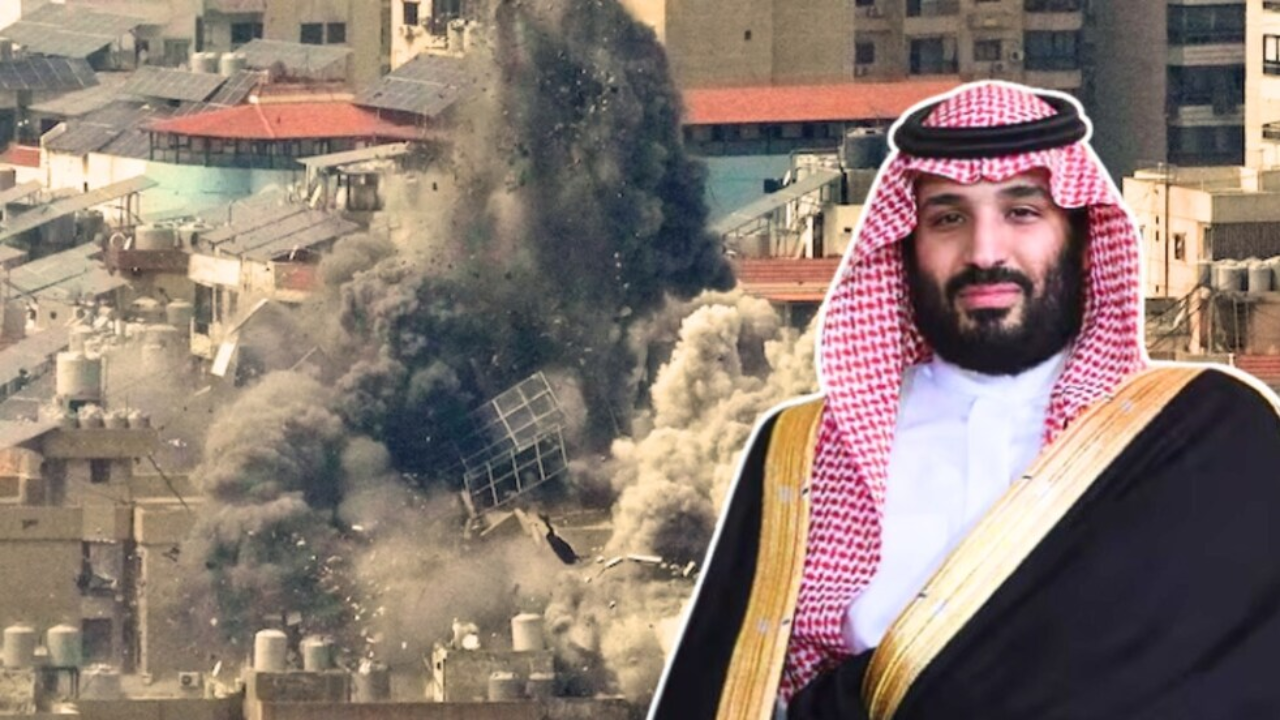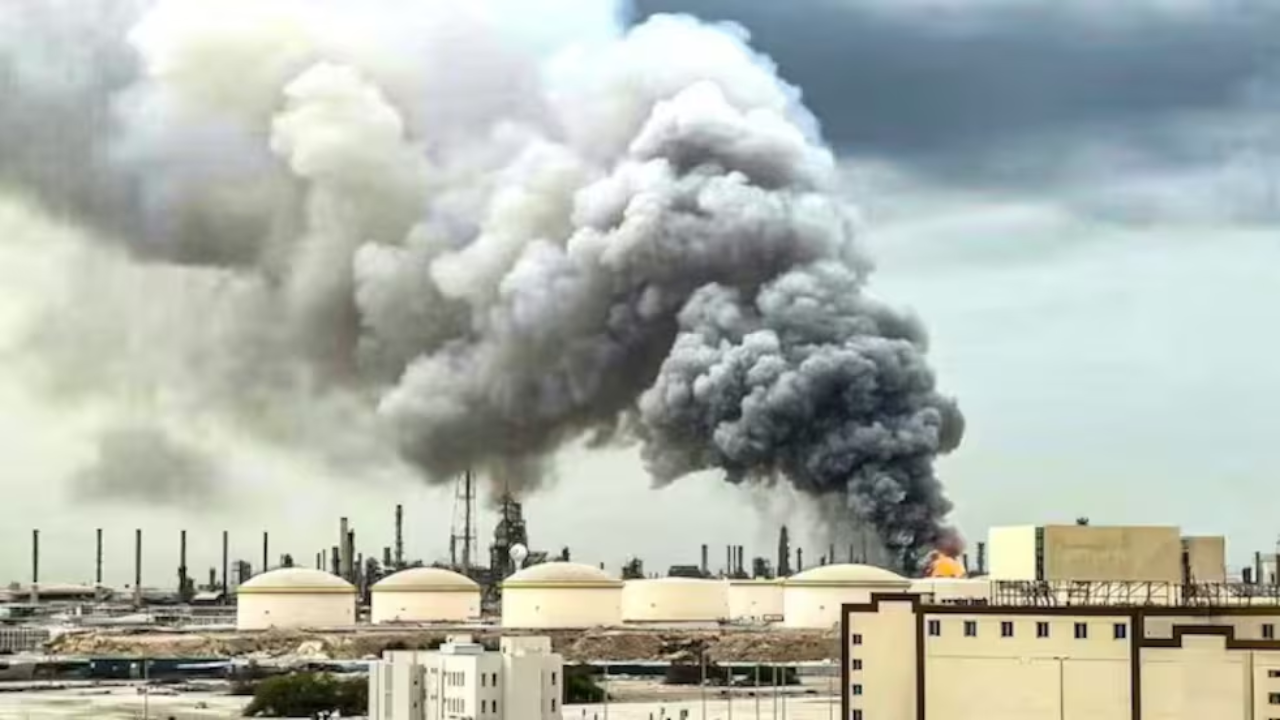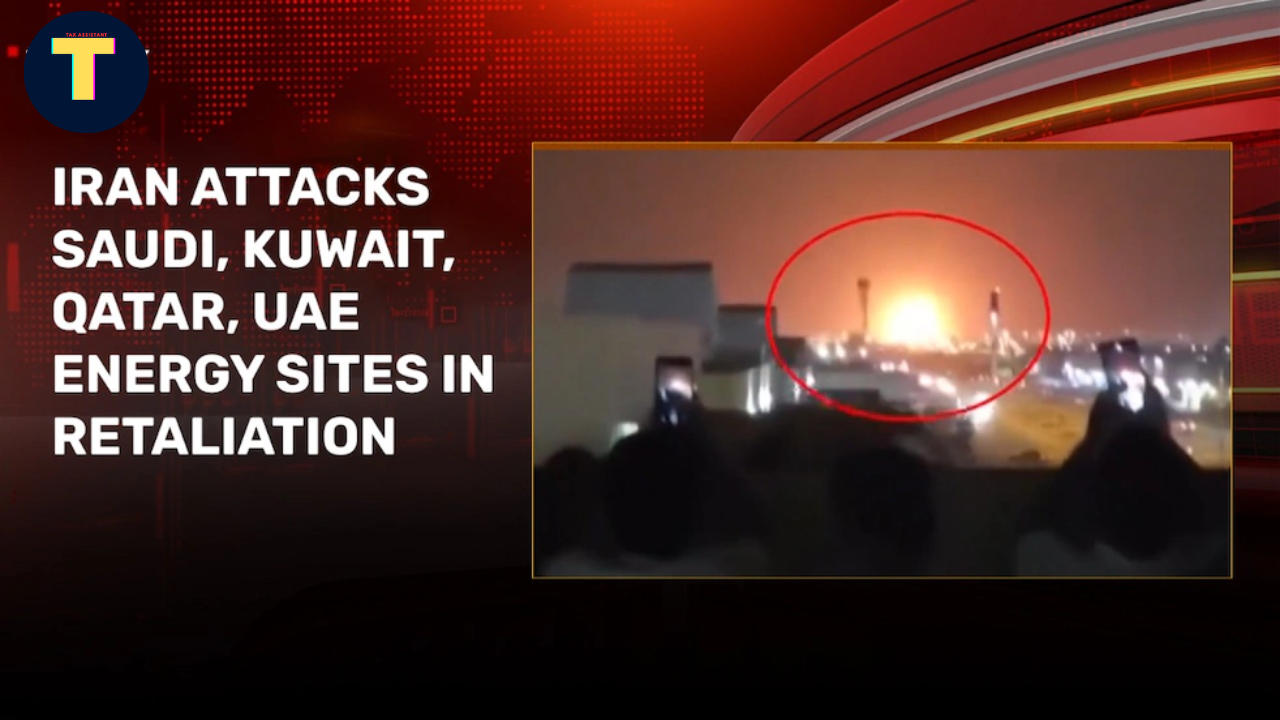
The Persian Gulf has entered a state of high-intensity conflict following a wave of Iranian strikes on March 19, 2026. These attacks are direct retaliation for an Israeli strike earlier this week on Iran’s South Pars gas field.
Thank you for reading this post, don't forget to subscribe!Primary Targets and Damage Report
| Location | Facility | Status/Impact |
| Yanbu, Saudi Arabia | SAMREF Refinery | Targeted by drones; damage reported as minimal. |
| Kuwait | Mina Al-Ahmadi & Mina Abdullah | Drones caused “limited fires” in operational units; now contained. |
| Qatar | Ras Laffan Industrial City | Extensive damage to Pearl GTL and LNG facilities via ballistic missiles. |
| UAE | Habshan & Bab Fields | Multiple interceptions reported; operational status remains stable. |
Strategic Context: The “No-Export” Policy
By targeting the SAMREF refinery in Yanbu, Iran is signaling that the Red Sea—previously considered a “safe” alternative to the blockaded Strait of Hormuz—is now within their reach. Tehran’s strategy appears to be the total neutralization of Gulf energy exports until their own infrastructure is secured.
Global & Political Fallout
- Energy Crisis: Brent crude has spiked to $117 per barrel, an 8% jump in a single day, as markets price in a long-term supply disruption.
- U.S. Ultimatum: While President Trump has distanced the U.S. from Israel’s initial strike, he issued a “red line” regarding Qatar. He warned that further attacks on Qatari infrastructure would result in the U.S. “massively blowing up” the remainder of the South Pars field.
- Diplomatic Collapse: Saudi officials have declared that the strikes have “shattered” any remaining diplomatic channels with Tehran.