The military and economic confrontation in the Middle East reached a new boiling point today. As Operation Epic Fury enters a more resource-intensive phase, the financial cost of the war is becoming as much of a battlefield as the Persian Gulf itself.
Thank you for reading this post, don't forget to subscribe!The Pentagon’s Financial “Shock and Awe”
The U.S. Department of Defense has officially requested an additional $200 billion in supplemental war funding. This massive ask comes on the heels of the 2024 decapitation strikes and the ongoing air campaign against Iranian infrastructure.
- Replenishing the Arsenal: A significant portion of the funds is earmarked for replacing precision-guided munitions and long-range missiles depleted during the initial weeks of the campaign.
- A “Trillion-Dollar” Shadow: With this request, the total U.S. defense expenditure for 2026 is hurtling toward the $1 trillion mark, sparking intense debate in a divided Congress over the long-term sustainability of the conflict.
Tehran’s Rhetorical Counter-Strike
Iranian Foreign Minister Abbas Araghchi didn’t waste time responding to the news, deploying a sharp diplomatic “dig” aimed at the American public.
- The “Israel-First Tax”: Araghchi characterized the $200 billion request as a mandatory “tax” that American citizens are paying to prioritize Israeli security over their own domestic needs.
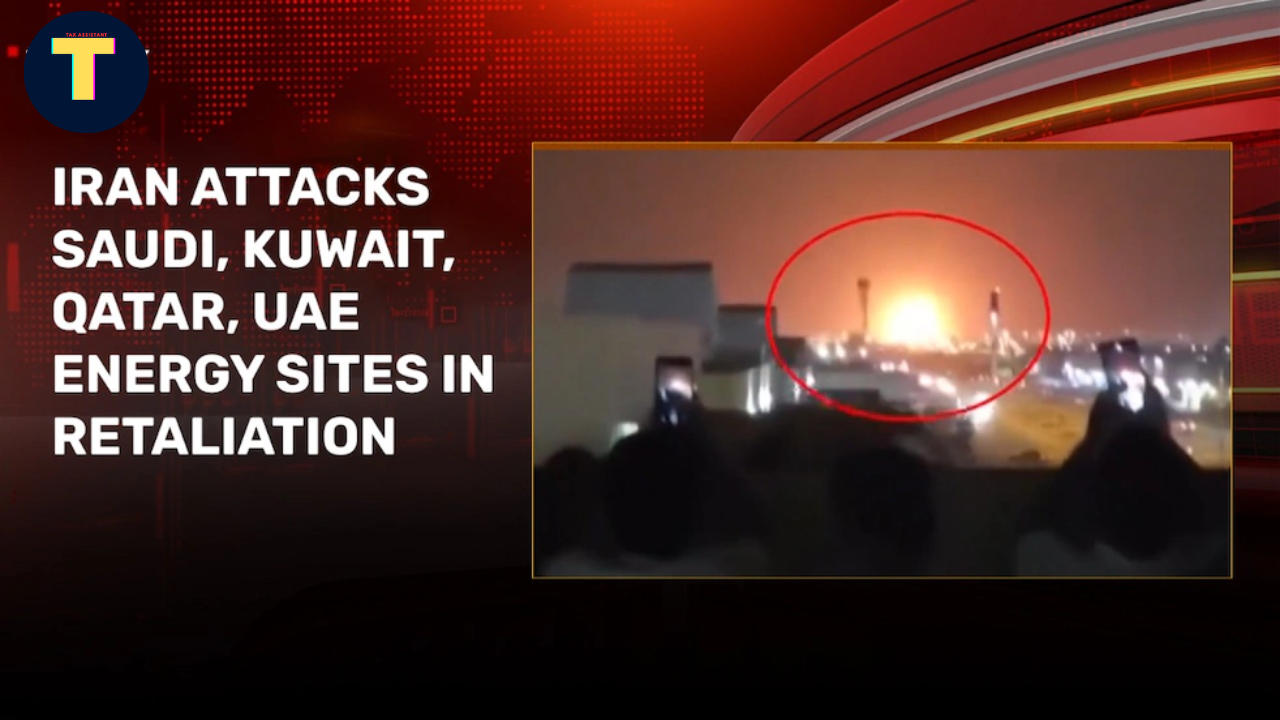
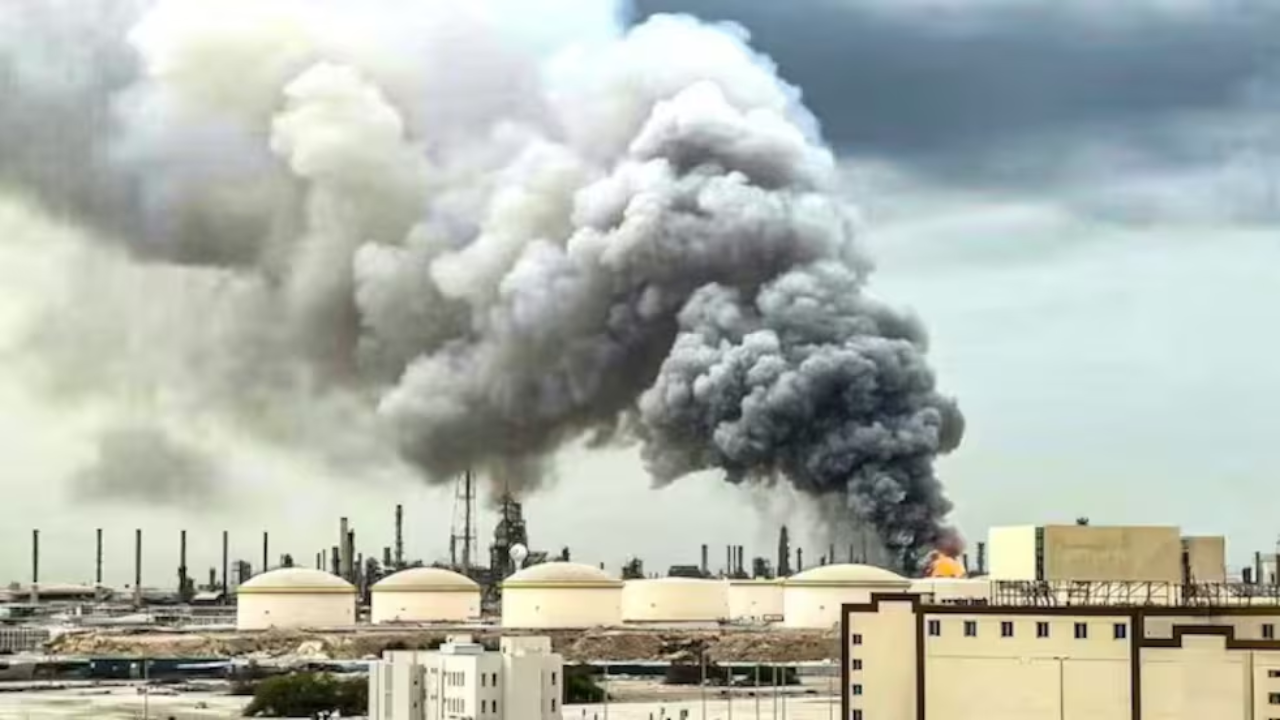
- Weaponizing Energy Costs: Iran is backing this rhetoric with action. By targeting regional energy hubs like the South Pars gas field and disrupting the Strait of Hormuz, Tehran has forced Brent crude prices above $108/barrel, effectively creating a global “inflation tax.”
Conflict Snapshot: March 19, 2026
| Indicator | Current Status | Impact |
| U.S. War Funding | $200B Supplemental Requested | Potential for domestic political gridlock. |
| Oil Prices | $108+ per barrel | Rising fuel and transport costs globally. |
| Iranian Leadership | Interim Council in place | Uncertainty over who holds the “nuclear keys.” |
| Regional Security | Attacks on Gulf infrastructure | Threatening the stability of UAE and Qatar. |
Analyst Note: The conflict has shifted from a purely military engagement to a “war of attrition” on the global economy. Iran’s strategy is to make the price of victory so high that the U.S. domestic front collapses under the weight of inflation and debt.