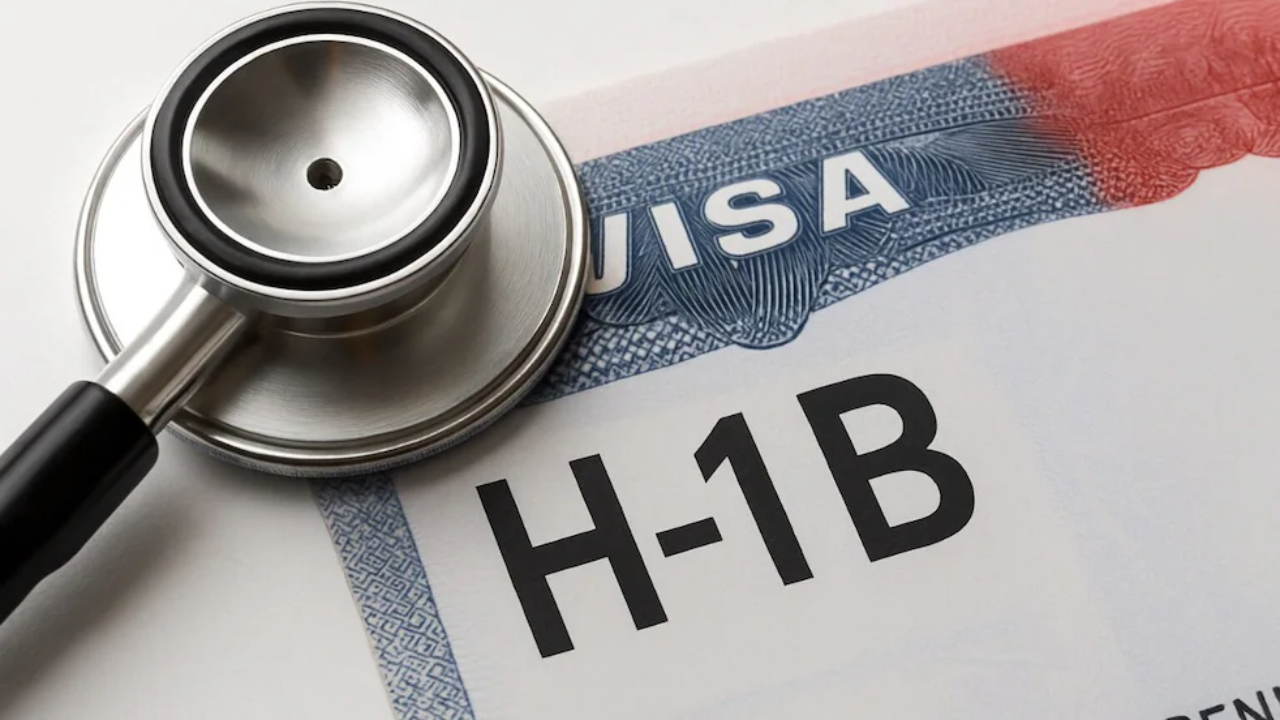
In a bipartisan effort to address the national healthcare shortage, U.S. lawmakers introduced a bill on March 17, 2026, to shield doctors and nurses from a massive immigration surcharge. The H-1Bs for Physicians and the Healthcare Workforce Act specifically targets the $100,000 H-1B fee established by the Trump administration in late 2025.
Thank you for reading this post, don't forget to subscribe!The Conflict: A $100,000 Barrier
In September 2025, a presidential proclamation mandated a one-time $100,000 surcharge for many new H-1B petitions. While the administration framed this as a way to protect American wages and fund federal programs, the medical community warned it would paralyze the healthcare system.
- Financial Strain: Rural and non-profit hospitals have reported they simply cannot afford the six-figure cost to recruit essential staff.
- Declining Numbers: Data from early 2026 shows a sharp drop in H-1B filings, with only 85 employers paying the fee in the first six months of the policy.
Key Provisions of the Proposed Legislation
The bill, led by Rep. Mike Lawler (R-NY) and Rep. Sanford Bishop Jr. (D-GA), seeks to provide the following relief:
- Direct Exemptions: Explicitly waives the $100,000 fee for physicians, medical residents, fellows, and nurses.
- Fee Caps: Restricts the Department of Homeland Security (DHS) from charging healthcare workers anything beyond standard immigration fees (typically $1,000 – $8,000).
- Protecting Underserved Areas: Aims to ensure that International Medical Graduates (IMGs), who make up a massive portion of the rural workforce, can continue to practice in the U.S. without a prohibitive “tax on healthcare.”
Wider Opposition and Legal Status
The $100,000 fee is currently facing a multi-front battle:
- Legal: A 20-state coalition has sued the administration, claiming the fee was implemented without the legally required “notice-and-comment” period.
- Education: Following the healthcare lead, separate measures have been introduced to waive the fee for public school teachers, who are facing similar recruitment crises.