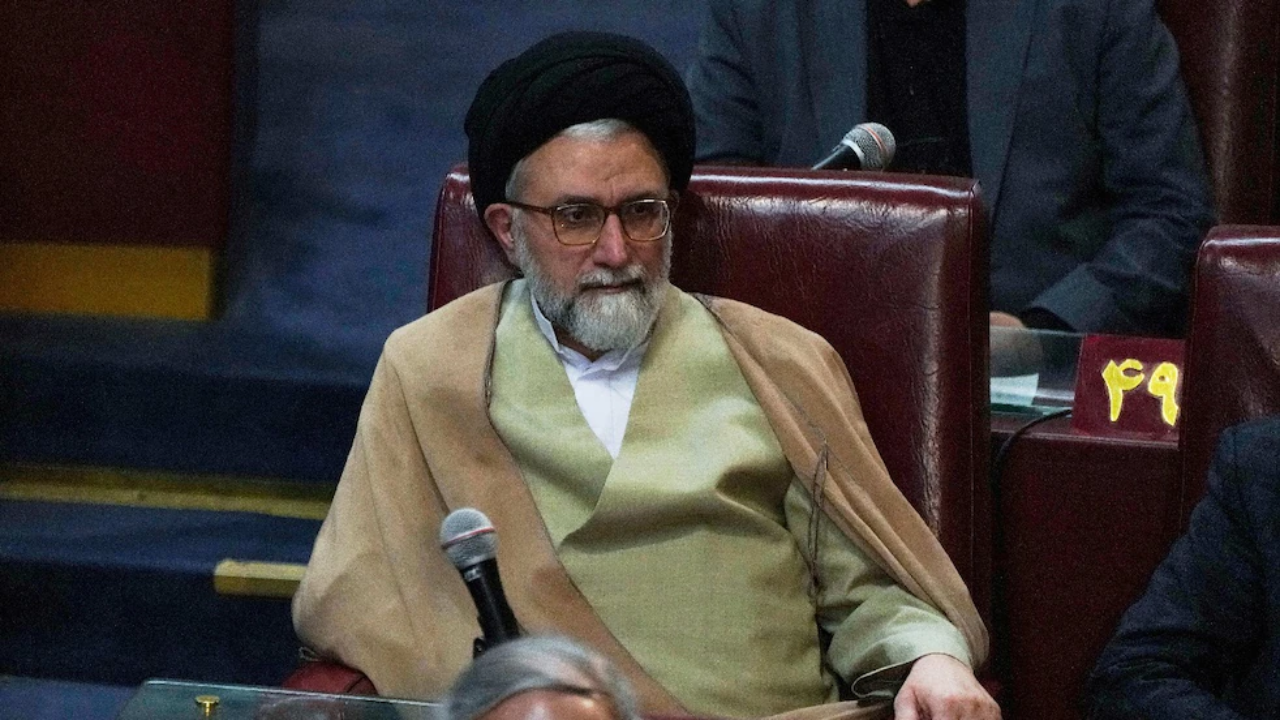
In a major escalation of regional hostilities, Israeli Defense Minister Israel Katz confirmed today that Esmail Khatib, Iran’s Minister of Intelligence, was killed in a precision overnight strike in Tehran.
Thank you for reading this post, don't forget to subscribe!This operation marks the third high-level assassination in just 48 hours, signaling a shift in Israeli strategy toward “decapitation strikes” against Iran’s senior leadership.
Strategic Context: A Decapitated Command
The strike on Khatib is not an isolated event. It follows a rapid-fire series of Israeli operations targeting the core of Iran’s security and political infrastructure:
- March 17: Assassination of Ali Larijani (Supreme National Security Council Secretary).
- March 17: Assassination of Gholamreza Soleimani (Basij Commander).
- March 18: Assassination of Esmail Khatib (Intelligence Minister).
Defense Minister Katz issued a blunt warning following the strike, stating that the Israeli military no longer requires case-by-case approval for such targets: “No one in Iran has immunity.”
Immediate Fallout & Regional Impact
The regional “shadow war” has now moved into a phase of direct, high-stakes confrontation:
- Iranian Retaliation: Tehran has responded with waves of drone and missile strikes targeting Israeli territory and energy hubs in Saudi Arabia and the UAE.
- Global Economy: Oil prices have spiked following Iranian threats to block the Strait of Hormuz, a critical chokepoint for global energy supplies.
- Casualties: Debris from intercepted missiles has already resulted in civilian fatalities near Tel Aviv.
The Profile: Why Khatib Mattered
As a veteran of the IRGC and a hardline loyalist, Khatib was the glue between Iran’s clerical leadership and its vast domestic and foreign intelligence networks. Analysts suggest his death creates a massive operational vacuum in Iran’s internal security at a time when the regime is most vulnerable.