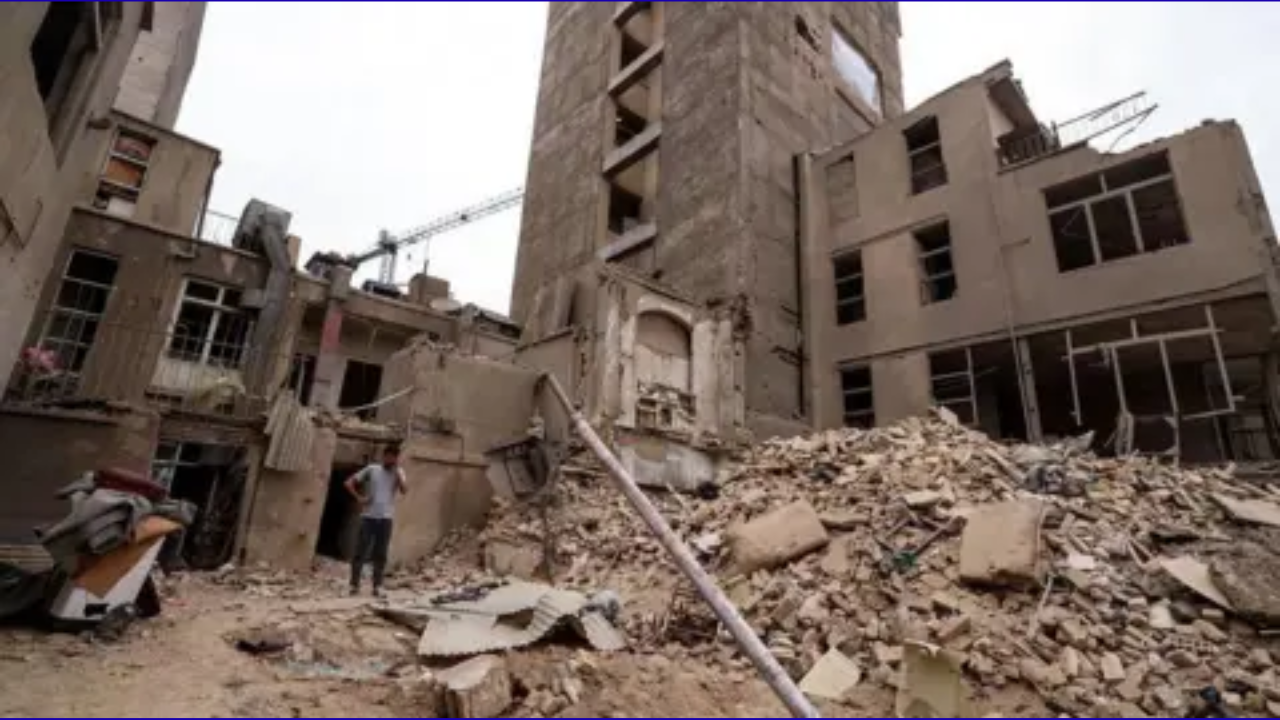
The geopolitical landscape remains on a knife-edge as of mid-March 2026. While Israel intensifies its offensive to dismantle Iran’s military infrastructure, the U.S. and UK are grappling with the economic fallout of a closed Strait of Hormuz.
Thank you for reading this post, don't forget to subscribe!1. The IDF “Target List” Expansion
Despite weeks of heavy bombardment, the Israeli Defense Forces (IDF) have signaled that the operation is far from over.
- The Scope: Israeli officials claim they have mapped thousands of remaining targets—including underground missile factories, drone assembly plants, and command-and-control bunkers.
- The Strategy: Having already neutralized much of Iran’s conventional air defense, the IDF is now moving into a “systematic degradation” phase. The goal is to ensure Iran cannot reconstitute its long-range strike capabilities for decades.
- Duration: Military planners are bracing for an extended campaign that could stretch well into April.
2. The Trump-Starmer Strait Standoff
The functional closure of the Strait of Hormuz has created a global energy emergency, forcing a tense dialogue between President Donald Trump and Prime Minister Keir Starmer.
- The U.S. Ultimatum: President Trump is pushing for a “Total Maritime Enforcement” coalition. He has been vocal in his demand that allies—specifically the UK—commit significant naval assets, including aircraft carriers, to force the waterway open.
- The UK’s Dilemma: Prime Minister Starmer faces a difficult balancing act. While the UK economy is reeling from the 40% spike in oil prices, there is significant domestic and military hesitation regarding the risks of placing the Royal Navy’s “crown jewels” (its carriers) in a high-threat zone filled with Iranian sea mines and “suicide” drone swarms.
- The Friction: Trump’s “America First” rhetoric has reportedly led to friction during these calls, with the President suggesting that future U.S. security guarantees may depend on an ally’s willingness to “patrol the front lines.”
3. Strategic Impact Summary
| Sector | Current Status |
| Military | Israel claims 80% of Iranian air defenses are “non-operational.” |
| Global Economy | Oil prices remain at record highs; supply chains for LNG are severely disrupted. |
| Diplomacy | Escalating tension between Washington and London over naval “risk-sharing.” |