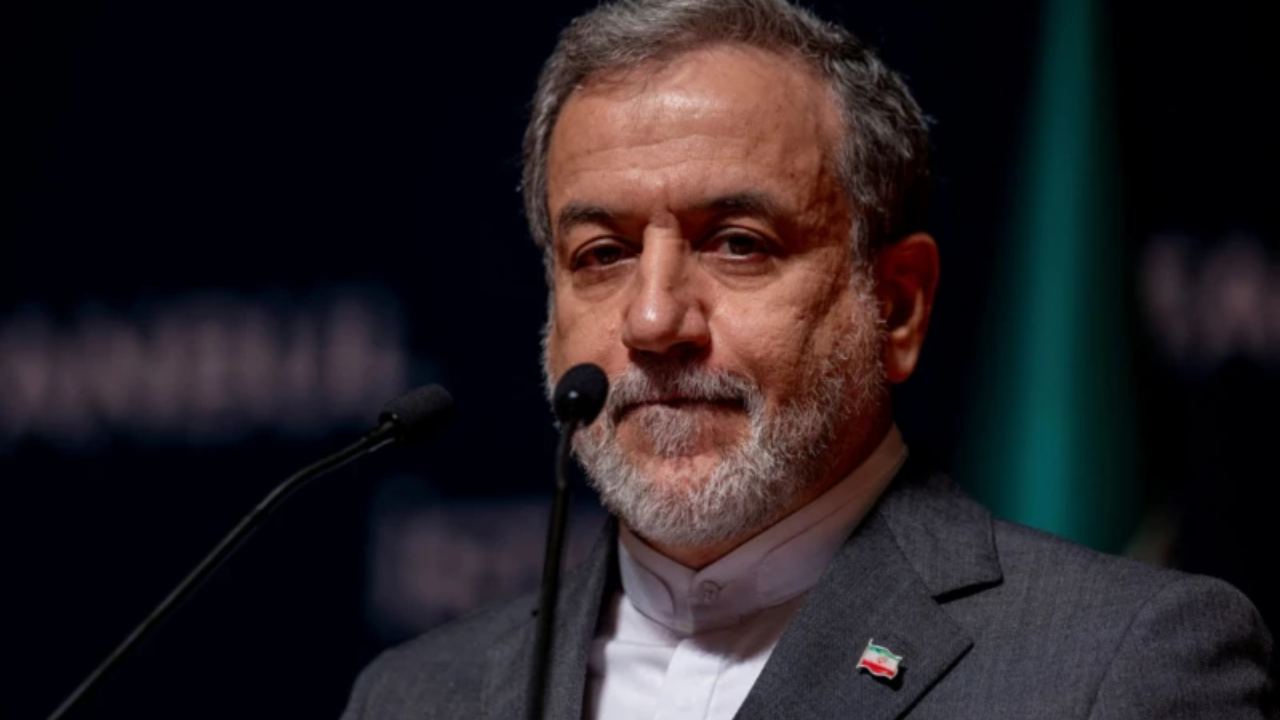
In a series of high-stakes statements in March 2026, Iranian Foreign Minister Abbas Araghchi dismissed the possibility of immediate diplomacy. As the conflict with Israel and the U.S. intensifies, Tehran’s rhetoric has shifted from cautious negotiation to an “all-in” defensive posture.
Thank you for reading this post, don't forget to subscribe!1. Diplomacy is “Off the Table”
Araghchi clarified that Iran is not the party seeking a way out. He cited a total breakdown in trust, claiming:
- The “Ambush” Factor: Tehran alleges that the U.S. and Israel used the cover of February’s nuclear talks to launch military strikes.
- No Pre-conditions: Rather than pleading for a truce, Iran is demanding an explanation for Western “aggression” before any dialogue can resume.
2. Rhetoric vs. Reality on the Ground
While the Foreign Ministry maintains a hard line, the physical costs of the conflict are mounting:
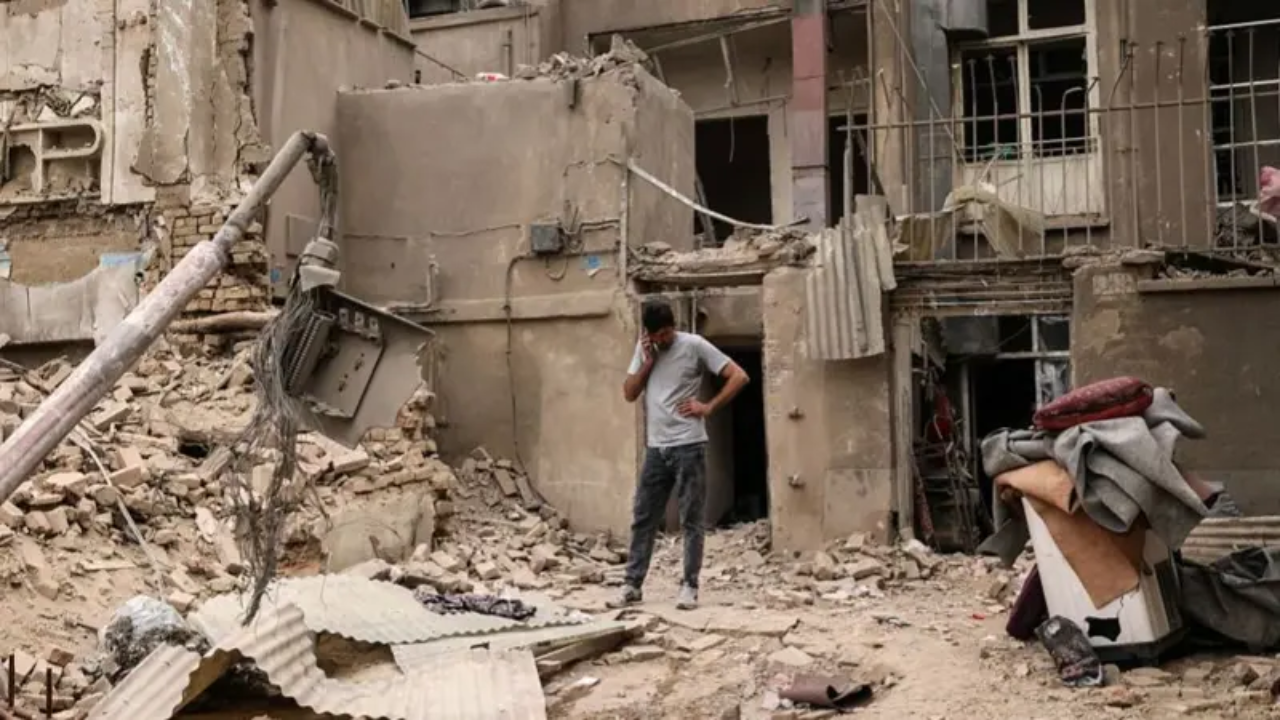
- Human and Strategic Toll: Over 1,200 casualties have been reported within Iran, with heavy damage to critical oil refineries.
- Regional Apologies: Interestingly, while Araghchi remains defiant, President Pezeshkian has been forced to issue apologies to neighboring Gulf states for “collateral damage” caused by Iranian missiles targeting U.S. bases.
3. Defying a Ground Invasion
Addressing the threat of U.S. “boots on the ground,” Araghchi’s tone was notably provocative. He framed a potential ground war as a “big disaster” for the United States, suggesting that Iran is fully mobilized and “waiting” for such an escalation.
Comparison of Stances (March 2026)
| Issue | Iran’s Official Stance | U.S. / Israel Stance |
| Ceasefire | Not requested; demands permanent end to war. | Focused on dismantling IRGC capabilities. |
| Negotiations | “No reason” to talk while under fire. | Open to “maximum pressure” tactics. |
| Ground War | Warns of a “disaster” for invaders. | Refusal to rule out a ground invasion. |