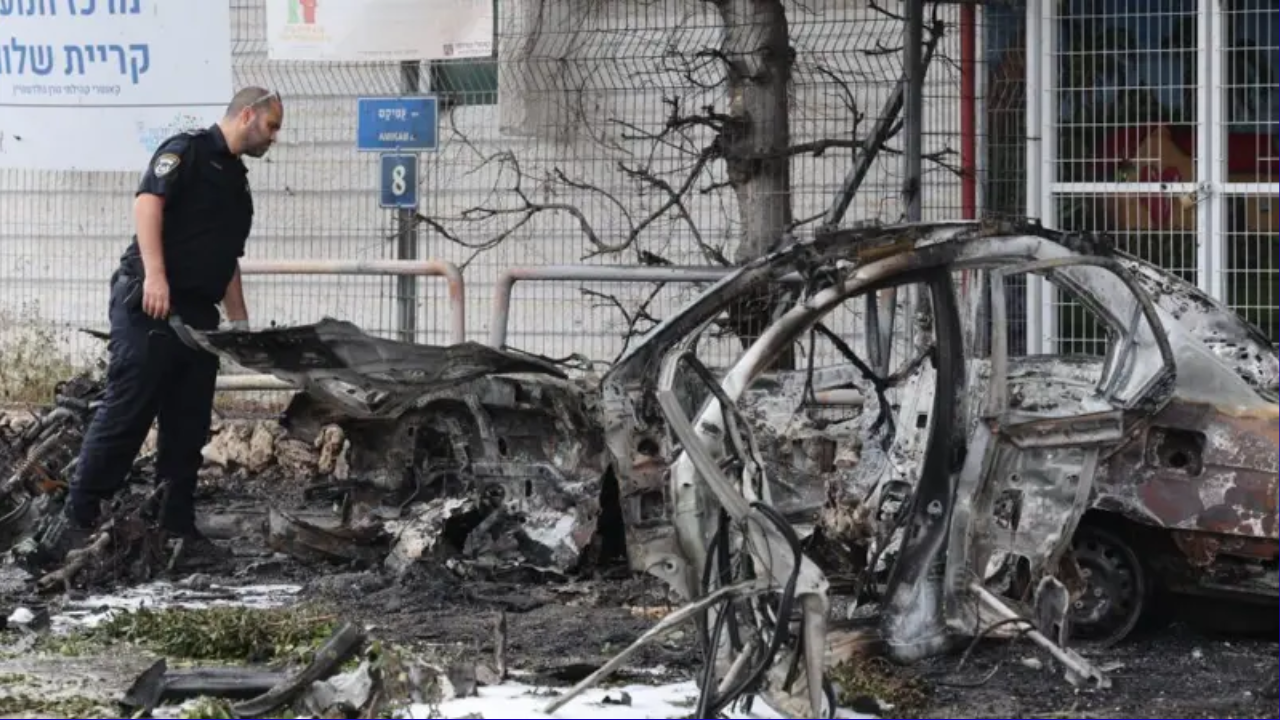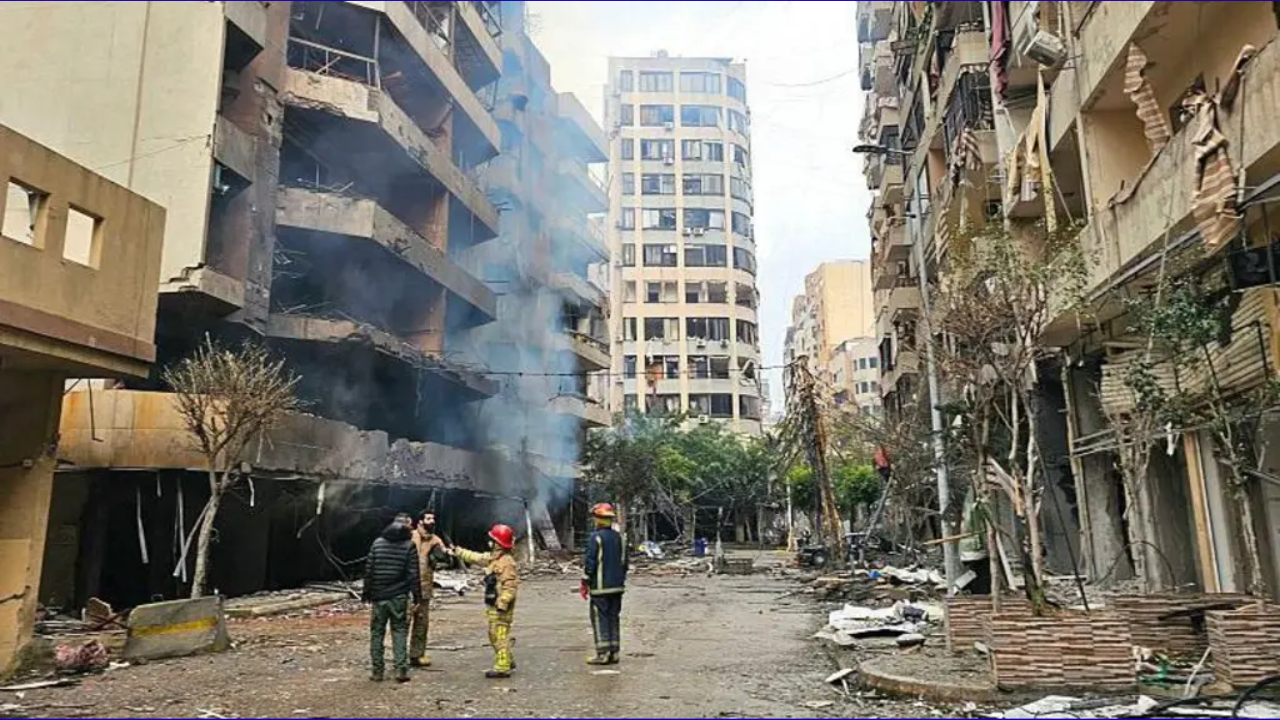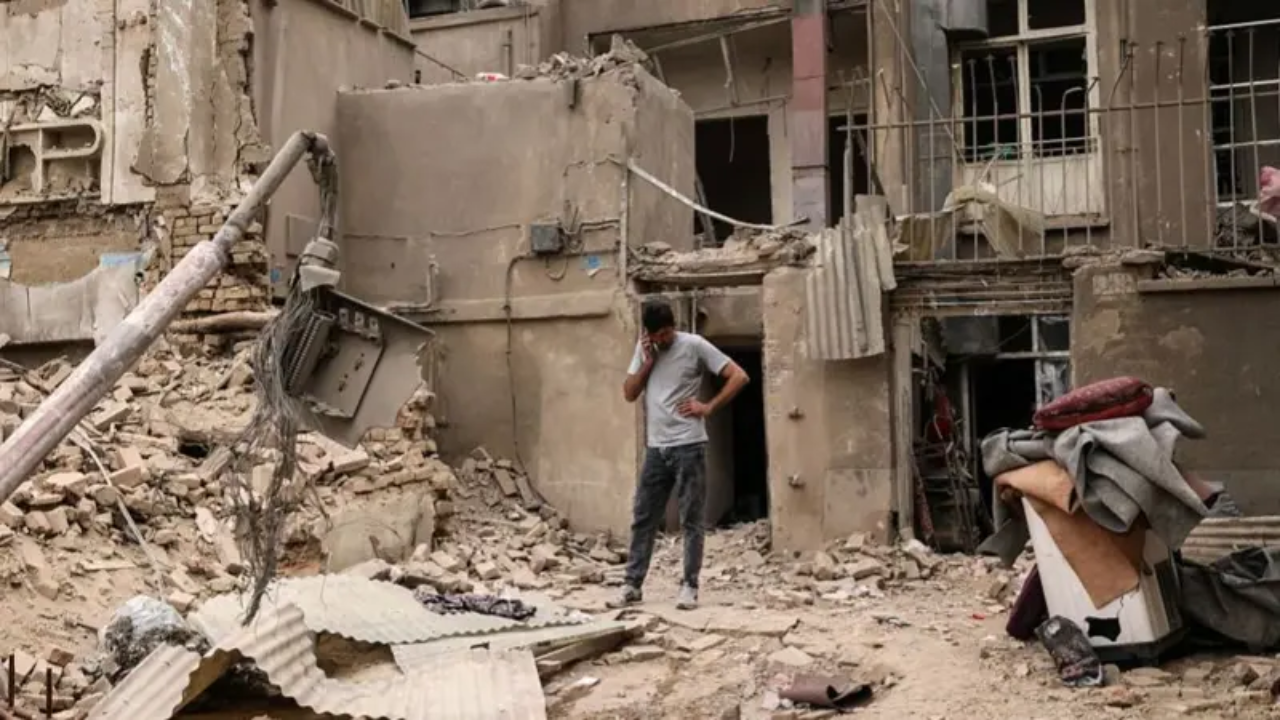
As of March 15, 2026, the landscape of Iran’s capital has been fundamentally altered. Following weeks of intense aerial bombardments, Tehran is currently a city of debris, craters, and fractured infrastructure.
Thank you for reading this post, don't forget to subscribe!The Scale of the Destruction
The damage is no longer confined to military outskirts; it has reached the heart of the metropolitan area:
- Residential Impact: Multi-story apartment complexes in central districts have collapsed, leaving massive piles of concrete and rebar. Local rescue efforts are severely hampered by the sheer volume of rubble.
- Infrastructure Failure: Strategic strikes have crippled the power grid and water systems, leaving large swaths of the city in the dark and complicating firefighting efforts.
- Cultural Heritage: The Golestan Palace, a UNESCO World Heritage site, has sustained significant damage, symbolizing a profound loss of Persian history amidst the modern conflict.
The Political and Social Backdrop
The physical ruins are only part of the story. The atmosphere in Tehran is defined by a “double crisis”:
- Leadership Vacuum: Following the reported death of Ayatollah Ali Khamenei on March 1, the transition to his son, Mojtaba Khamenei, has been marred by his physical absence and rumors regarding his own health.
- Internal Dissent: Despite the external strikes, a segment of the population remains defiant toward the domestic government. The #ThisIsNotWar movement continues to circulate images comparing current damage to past building collapses caused by government negligence, framing the current ruin as a continuation of systemic failure.
Current Humanitarian Status
With an ongoing internet blackout entering its third week, information flow is restricted. The UN estimates civilian casualties have surpassed 1,300, with emergency services overwhelmed by the scale of the wreckage.
Summary: Tehran faces a dual threat of foreign military pressure and internal civil unrest, all set against a backdrop of a city physically crumbling under the weight of the most significant conflict in decades.