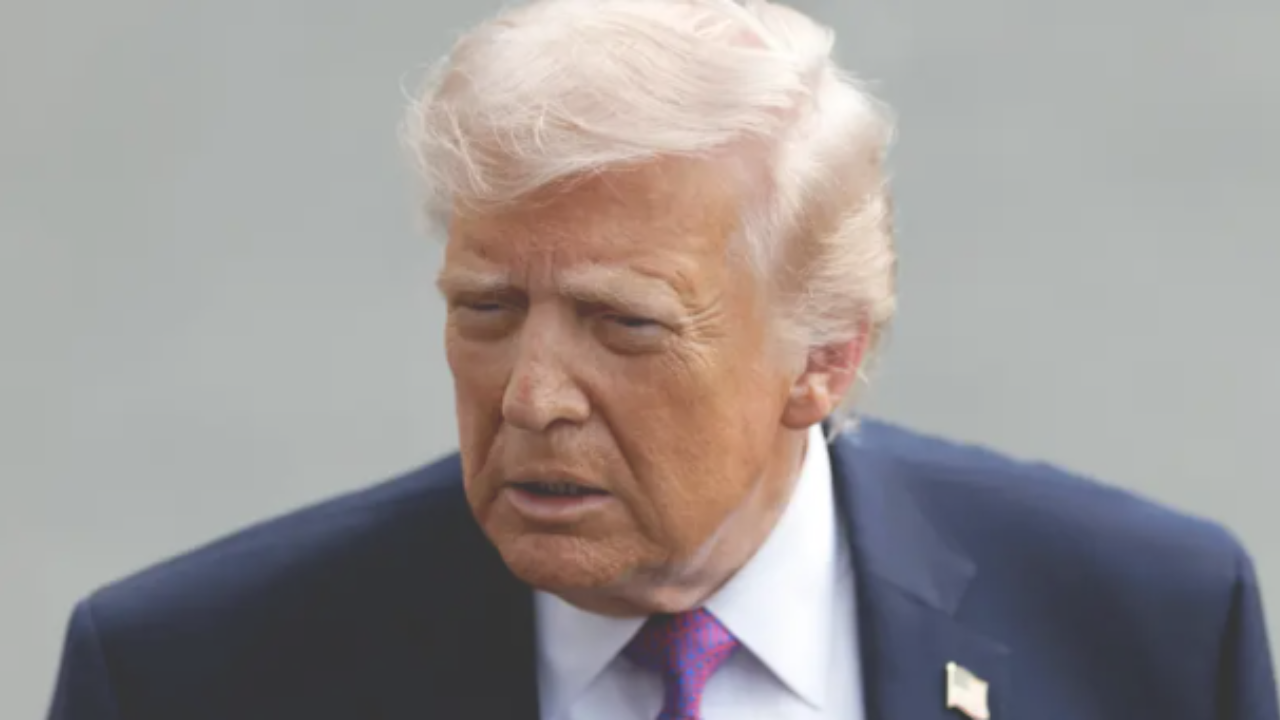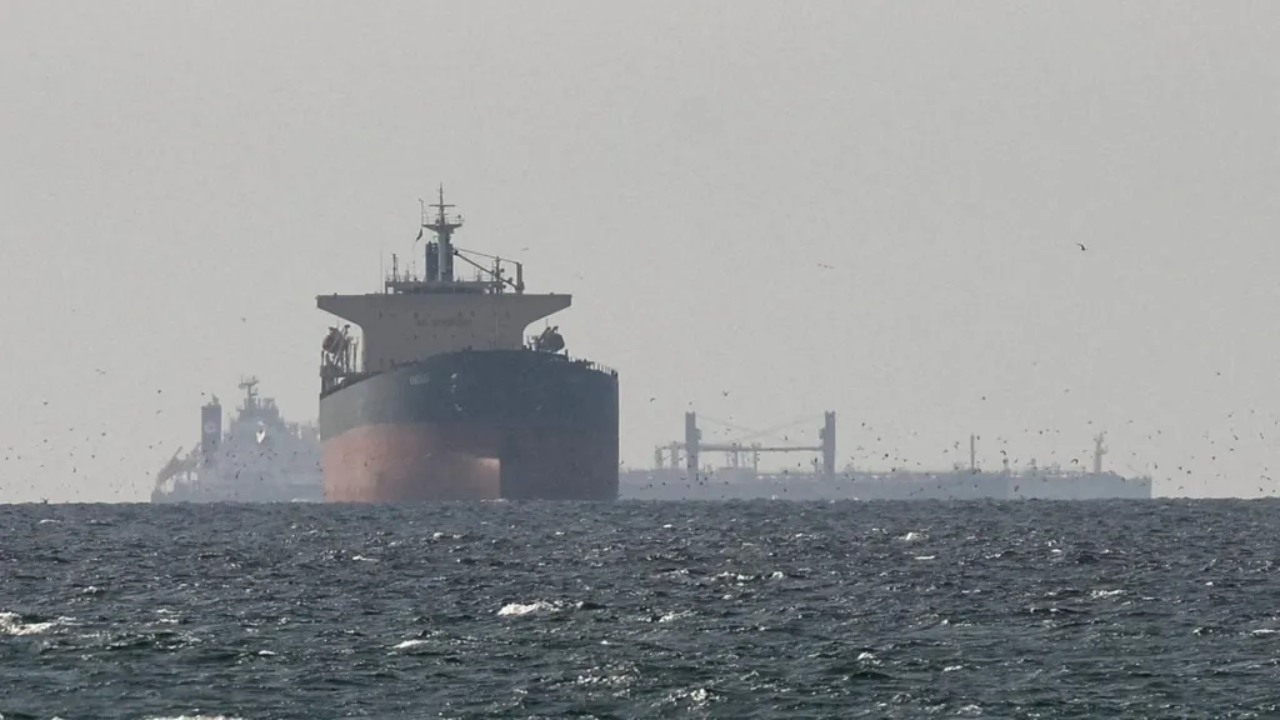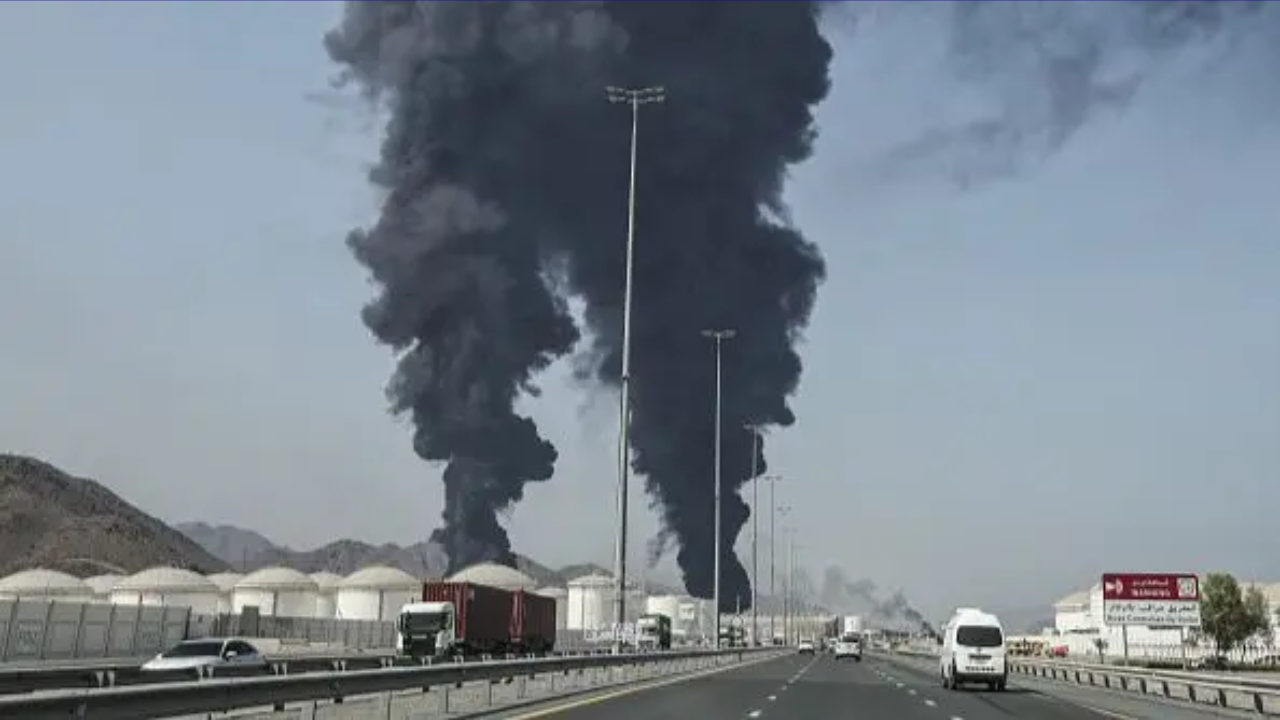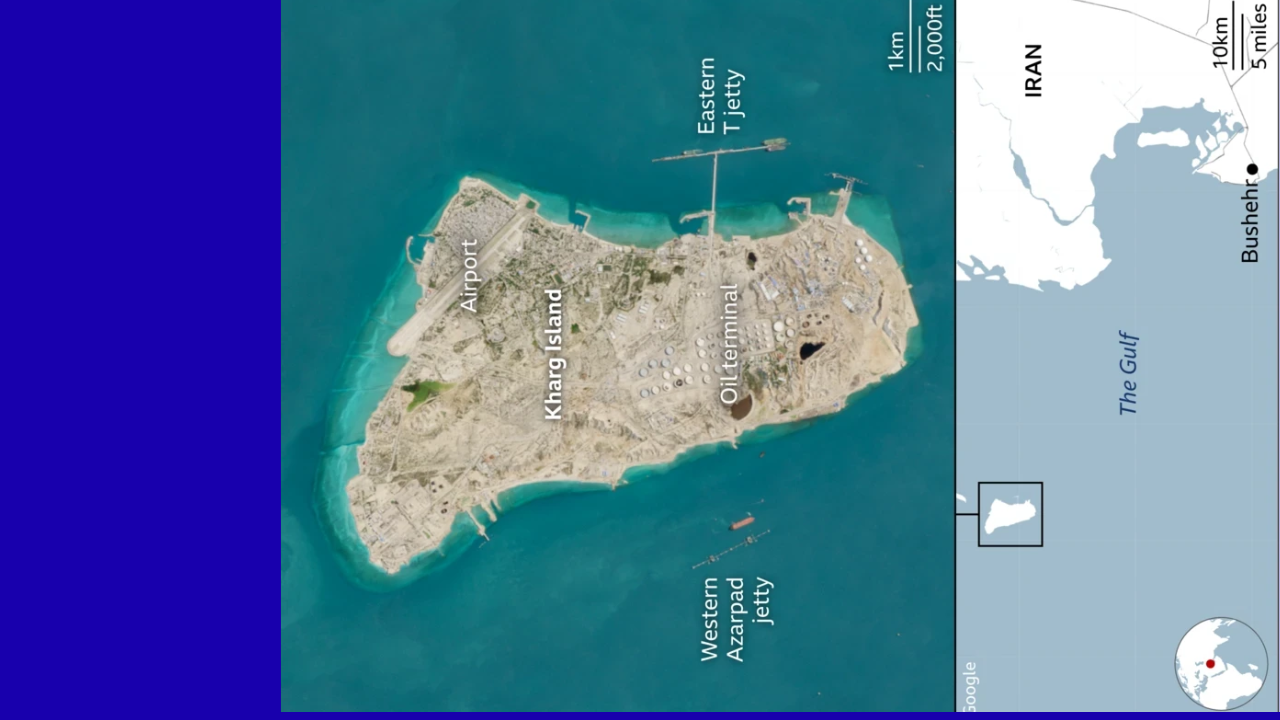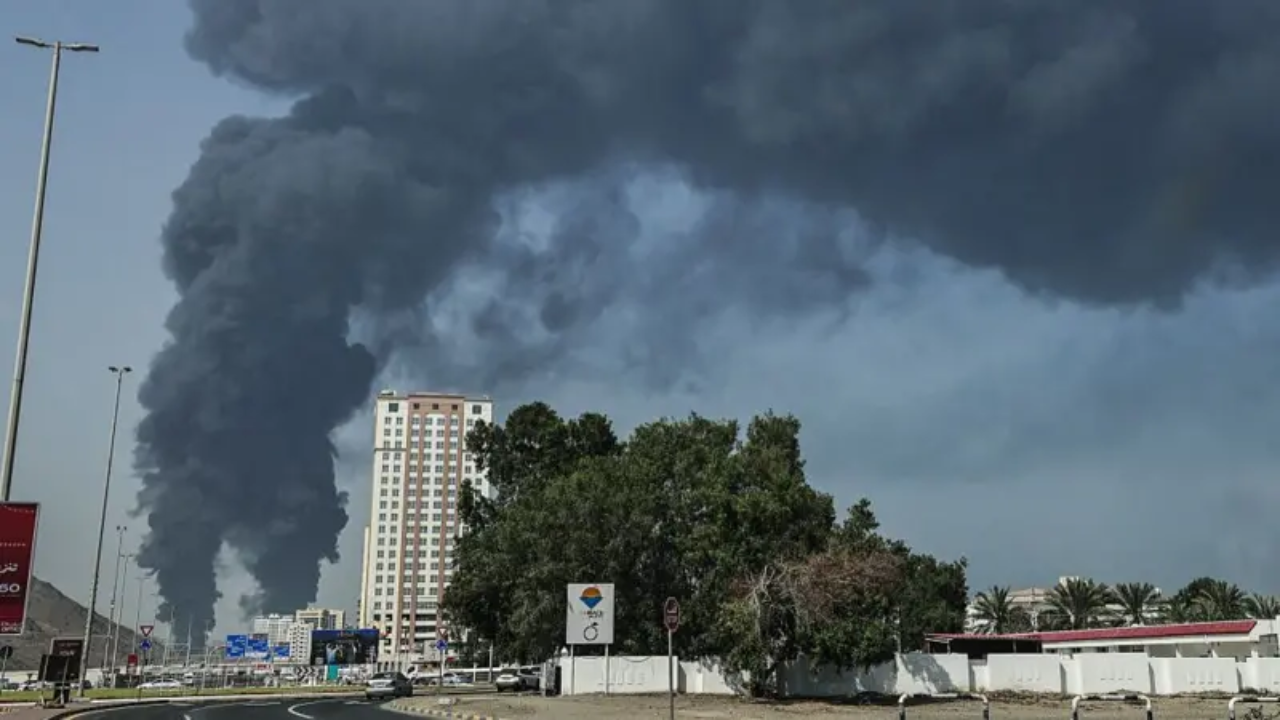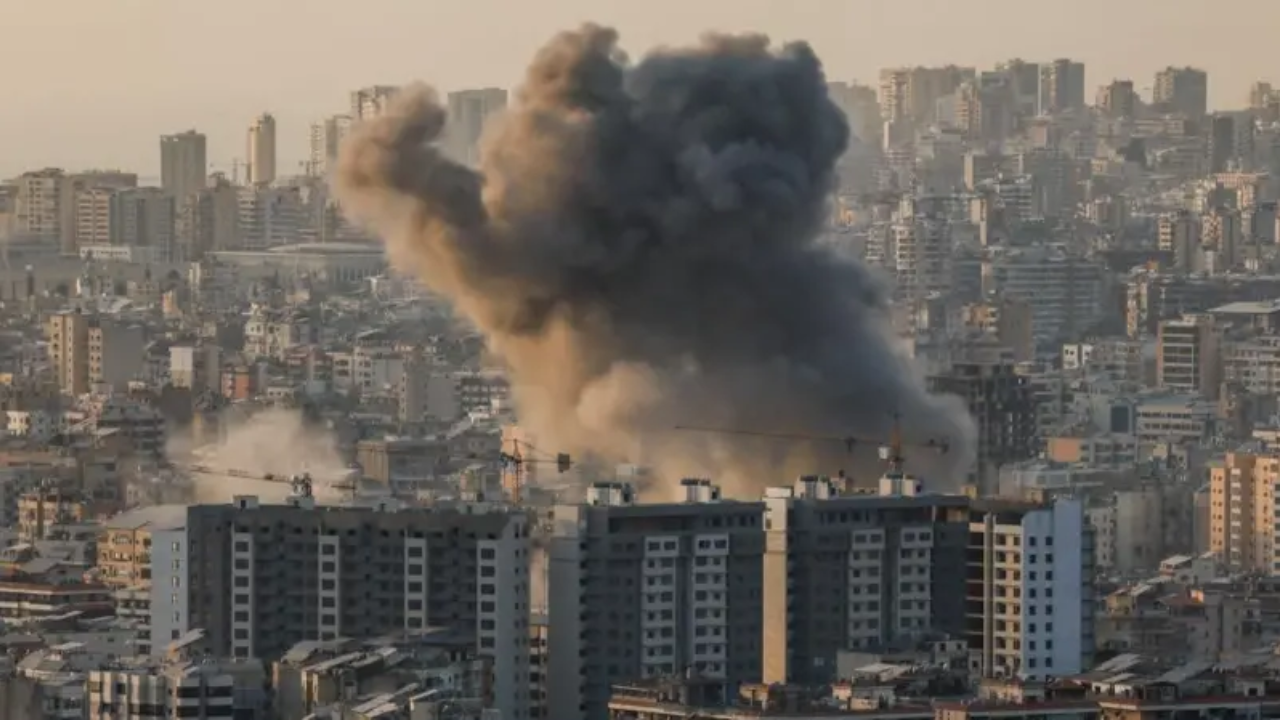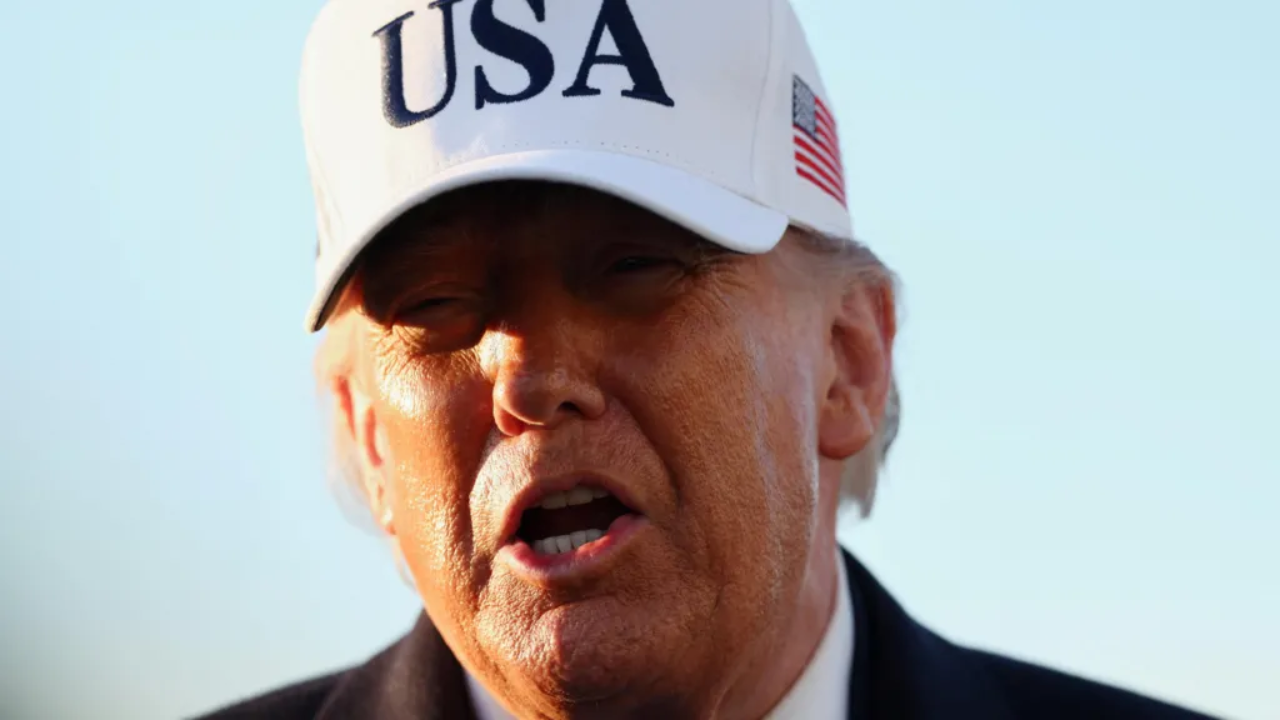
President Trump has issued a direct call to action for the United Kingdom and other major energy-importing nations, urging them to deploy warships to the Strait of Hormuz. The waterway—a vital artery for 20% of the world’s oil and gas—remains paralyzed following recent military escalations between the U.S., Israel, and Iran.
Thank you for reading this post, don't forget to subscribe!The “Burden-Sharing” Ultimatum
Trump’s argument centers on economic fairness. He contends that nations like China, France, Japan, and South Korea are the primary consumers of the fuel passing through the region and should, therefore, take responsibility for its protection.
- The Strategy: Transitioning from a purely U.S.-led operation to a “team effort” coalition.
- The Threat: While Trump claims Iran’s formal military is “decimated,” he acknowledges that asymmetric threats—specifically sea mines and suicide drones—still make the passage too dangerous for commercial tankers.
- The Warning: The President maintained that the U.S. will continue aggressive strikes against Iranian shorelines to neutralize any interference with shipping.
Global Impact & Strategic Responses
| Stakeholder | Current Position |
| United Kingdom | Currently evaluating “options” with allies. The HMS Dragon is on-site, but the Royal Navy is cautious about the high risk of drone swarms. |
| Iran | Remains defiant, claiming their capabilities are intact and warning that any regional ports hosting U.S. ships are now “legitimate targets.” |
| Global Economy | Oil has broken the $100 per barrel mark. Shipping companies are refusing to enter the Strait until naval escorts and affordable insurance are guaranteed. |
Conclusion
The effective closure of the Strait has created a global energy bottleneck. By demanding international naval intervention, Trump is attempting to lower the U.S. military’s long-term overhead while forcing allies (and rivals like China) to choose between military involvement or continued energy shortages.