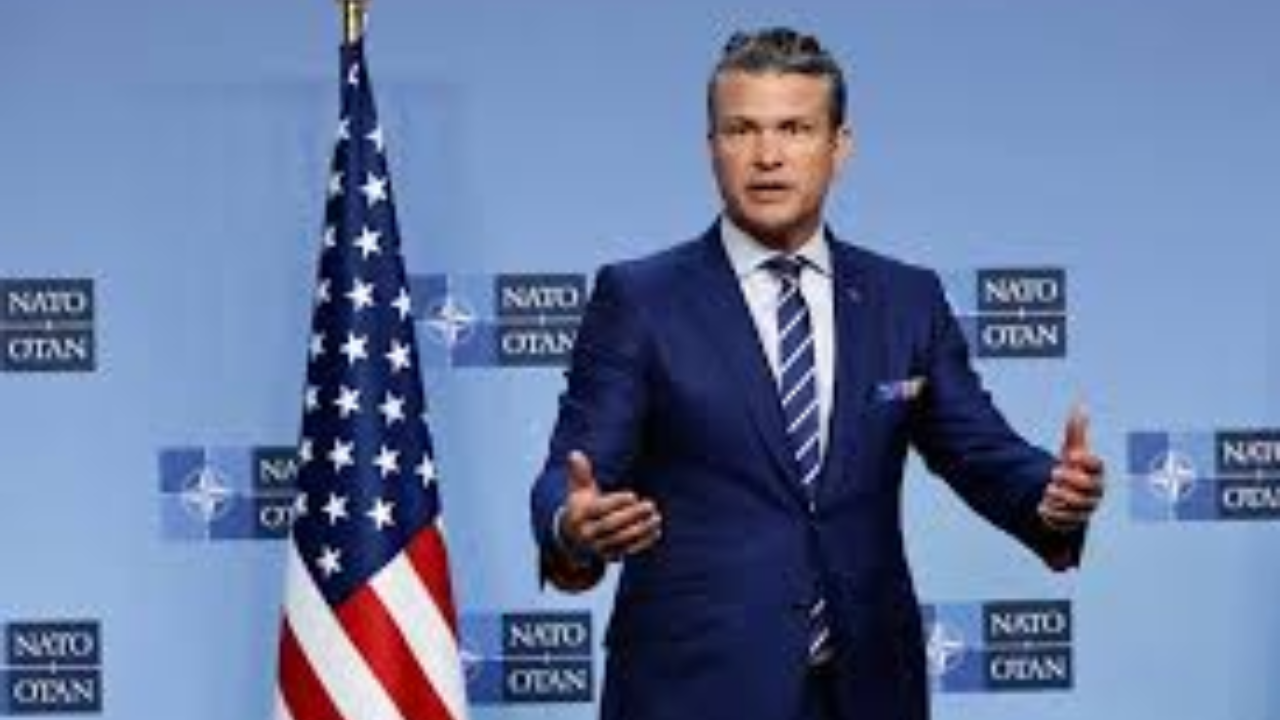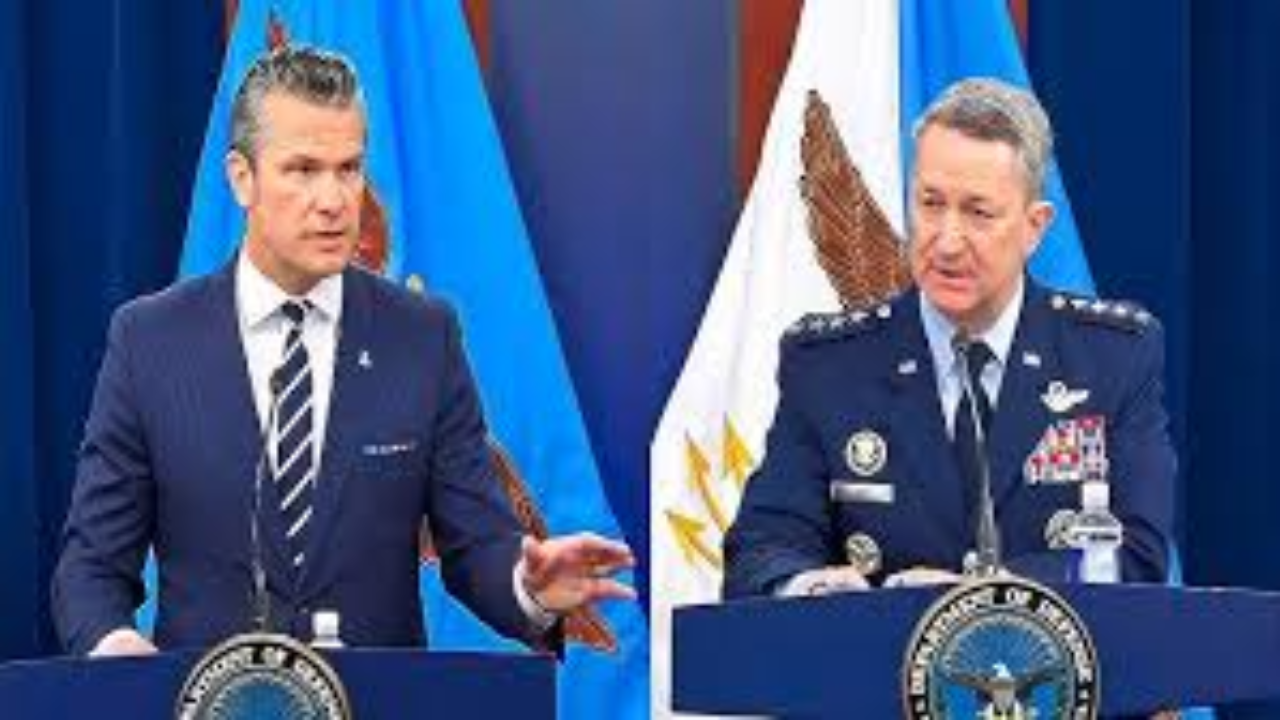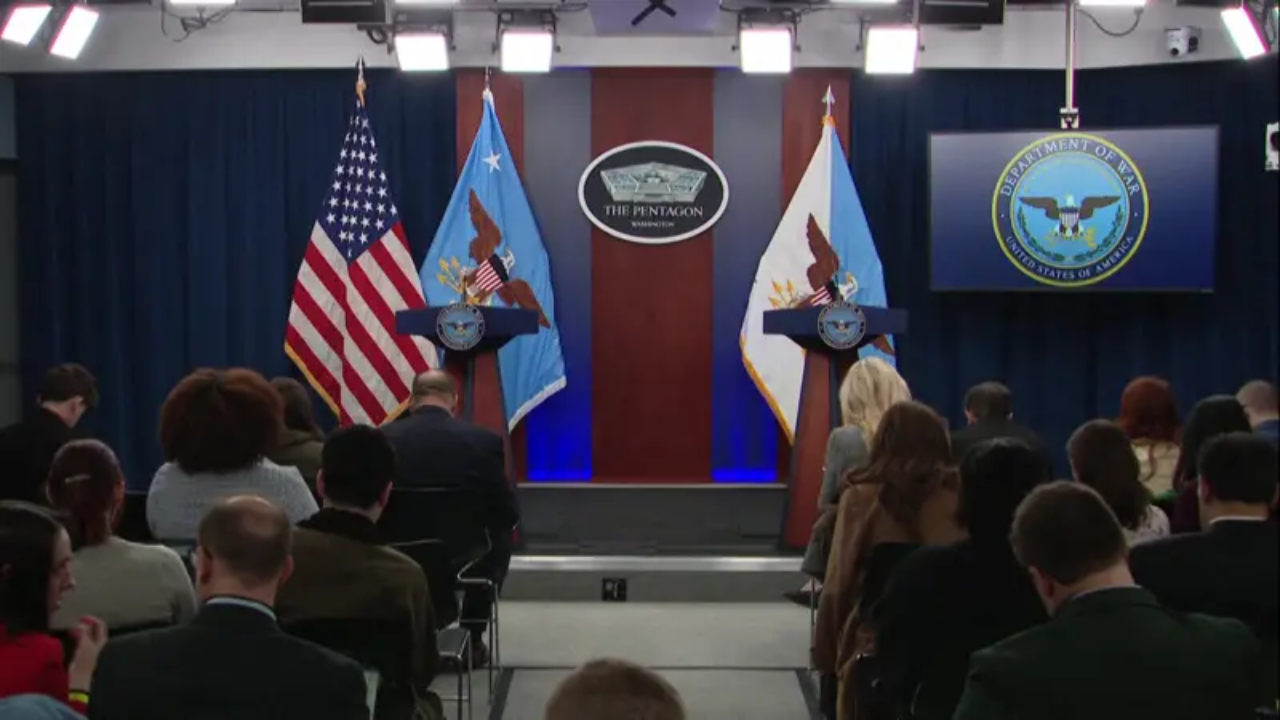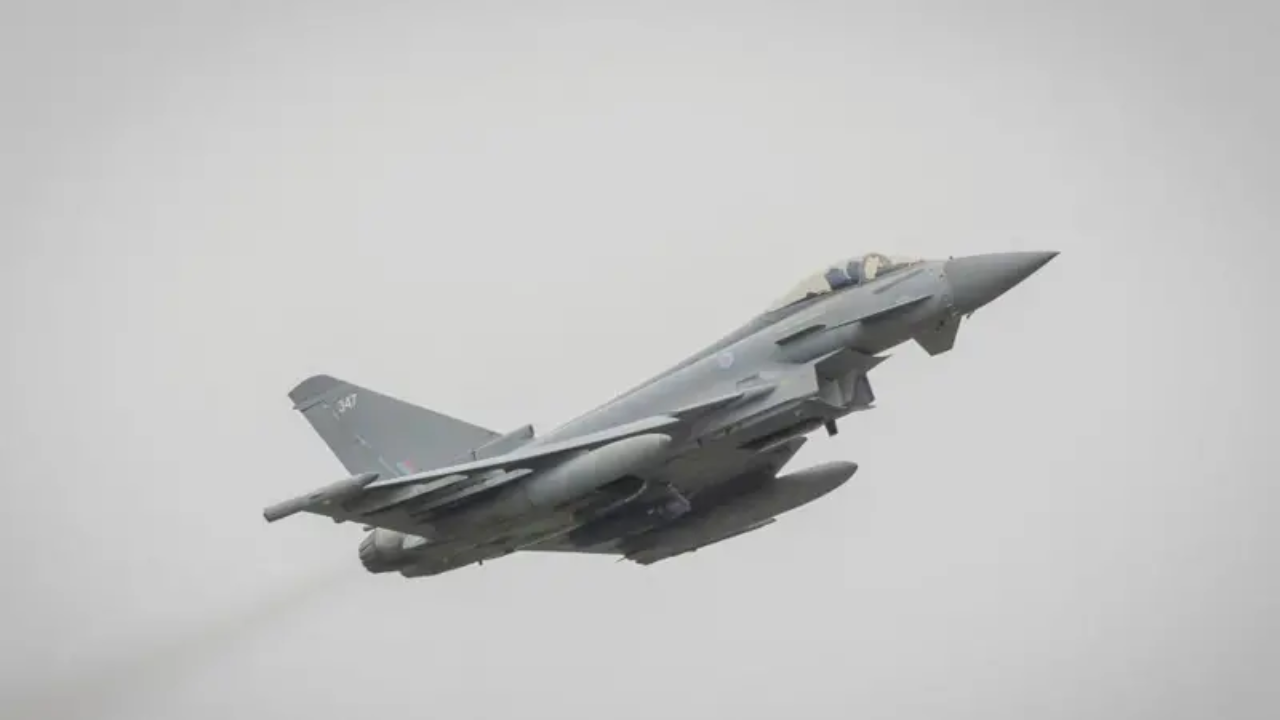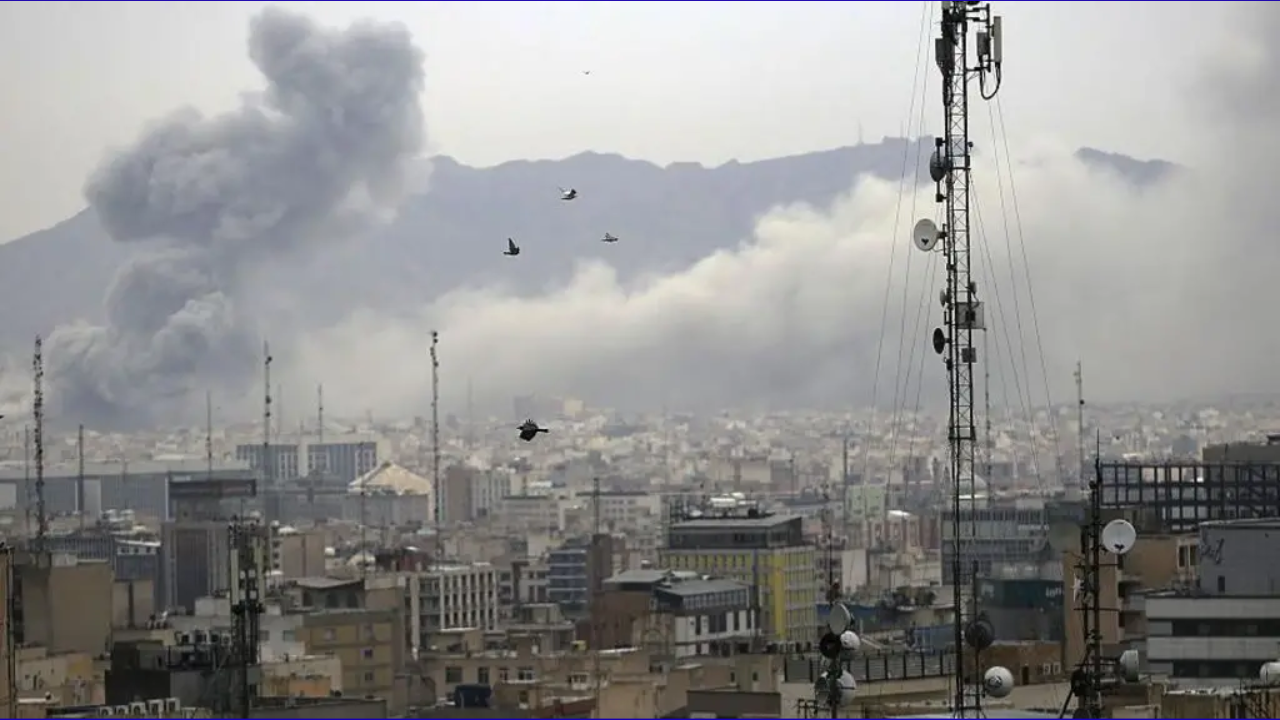
Secretary of War Pete Hegseth delivered a high-stakes briefing today, March 13, 2026, outlining the progress of Operation Epic Fury. Hegseth reported that joint U.S.-Israeli operations have effectively “degraded” the Iranian military’s ability to wage sustained warfare.
Thank you for reading this post, don't forget to subscribe!- Tactical Success: According to Hegseth, Iranian missile and drone capacities have collapsed by over 90% following strikes on 5,000 strategic targets.
- Leadership Impact: The Secretary confirmed that Iran’s new leader, Mojtaba Khamenei, was injured in recent strikes.
- The Cost of War: While declaring tactical victory, Hegseth warned of further U.S. casualties and addressed the tragic strike on a school in Iran, noting it is currently under investigation while maintaining that the mission will continue “until objectives are met.”
Energy Strategy: Temporary Relief on Russian Oil
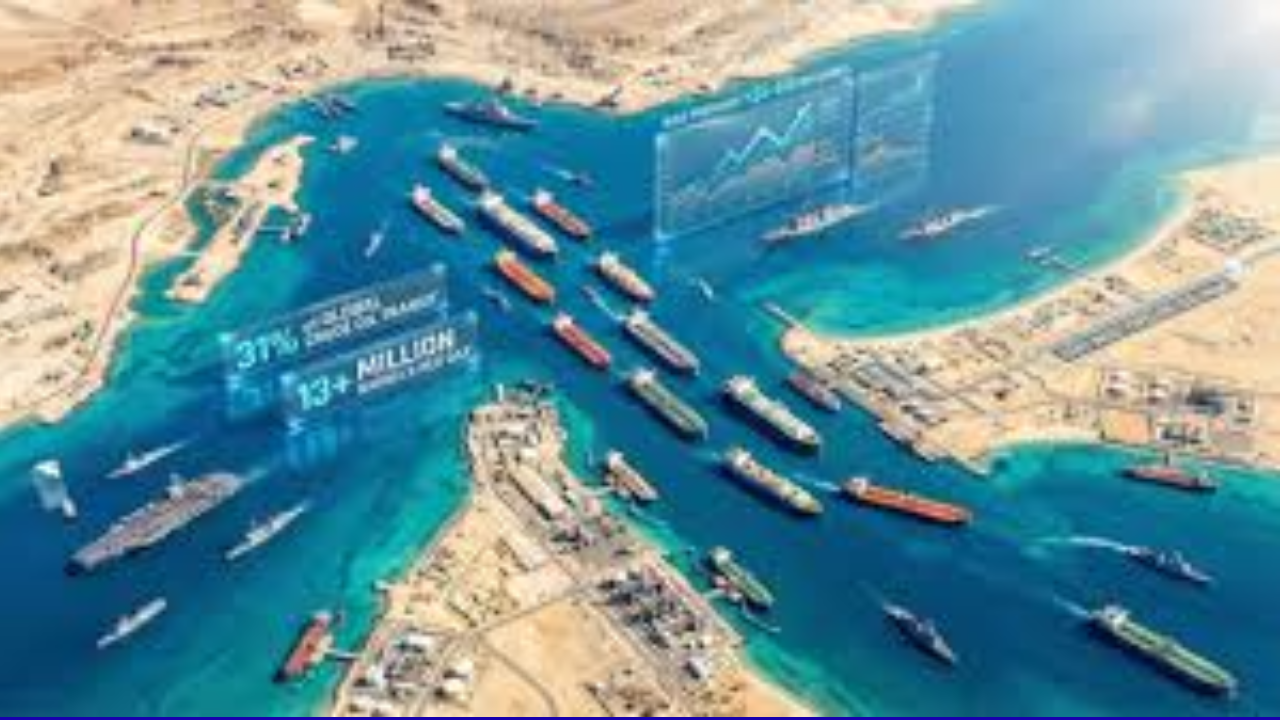
Parallel to the military escalation, the Treasury Department has moved to prevent a global energy crisis. With the Strait of Hormuz effectively blocked by the conflict, oil prices have surged past $100 per barrel.
The “30-Day Window”
Treasury Secretary Scott Bessent announced a narrow, temporary waiver on Russian oil sanctions. This move allows:
- In-Transit Purchases: Countries can purchase Russian crude that was already loaded onto tankers prior to March 12.
- Market Stabilization: The goal is to provide an immediate “supply shock” to the market to lower gas prices for U.S. consumers and allies.
- Strategic Limits: The administration emphasized this is a one-time relief measure rather than a long-term policy shift toward Moscow.
The Bottom Line
The administration is currently fighting a “two-front” battle: a kinetic war in the Middle East and an economic war against inflation at home. The easing of Russian sanctions highlights the desperate need to stabilize global markets even as military tensions reach their highest point in decades.