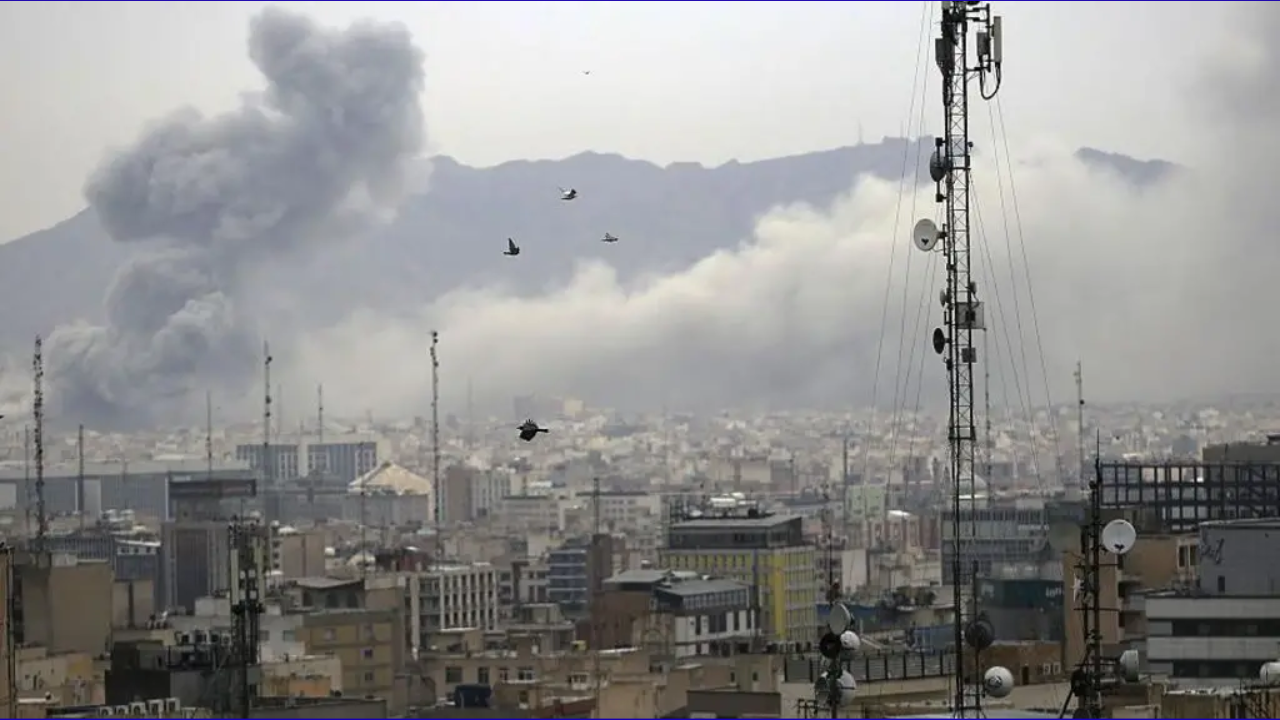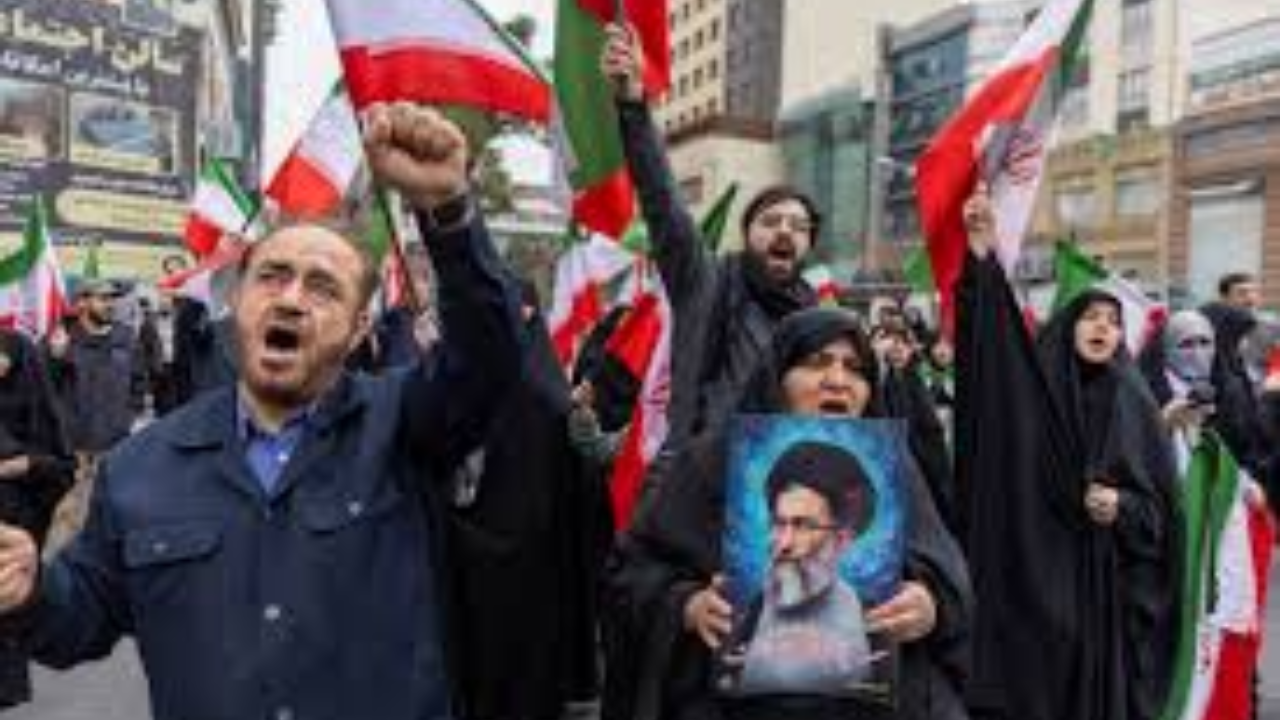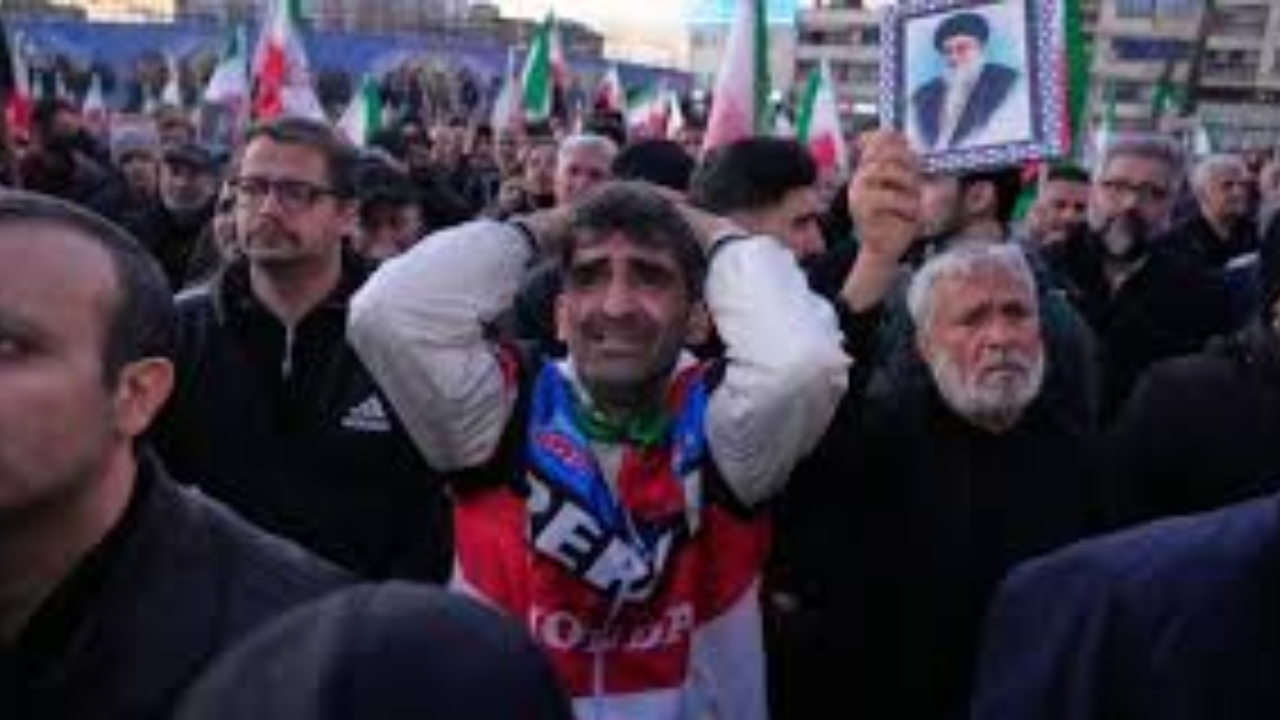
The initial American expectation—that the death of Ayatollah Ali Khamenei on the first day of the war would trigger a rapid internal collapse—has hit a wall of reality. Despite the seismic shock of the February 28th strikes, there is no evidence that the Islamic Republic is disintegrating. If Donald Trump’s strategy was to force a “Venezuela-style” transition by removing the head of state, it reveals a fundamental misunderstanding of the regime’s iron-clad institutional structure.
Thank you for reading this post, don't forget to subscribe!The Mystery of Mojtaba Khamenei
While Israel has explicitly targeted the new Supreme Leader, Mojtaba Khamenei, the regime has doubled down on a strategy of “defiant silence.”
- The Ghost Leader: Since his appointment on March 8, Mojtaba has not appeared in public. Reports suggest he was critically wounded in the same strike that killed his father, mother, and wife. Some intelligence suggests he may even be in a coma.
- A Cult Without a Face: Interestingly, Tehran’s propaganda machine has failed to produce fresh footage of the new leader. Instead, they are recycling old imagery and reading statements via news anchors. This suggests either a massive security concern or a physical inability for Mojtaba to lead visually.
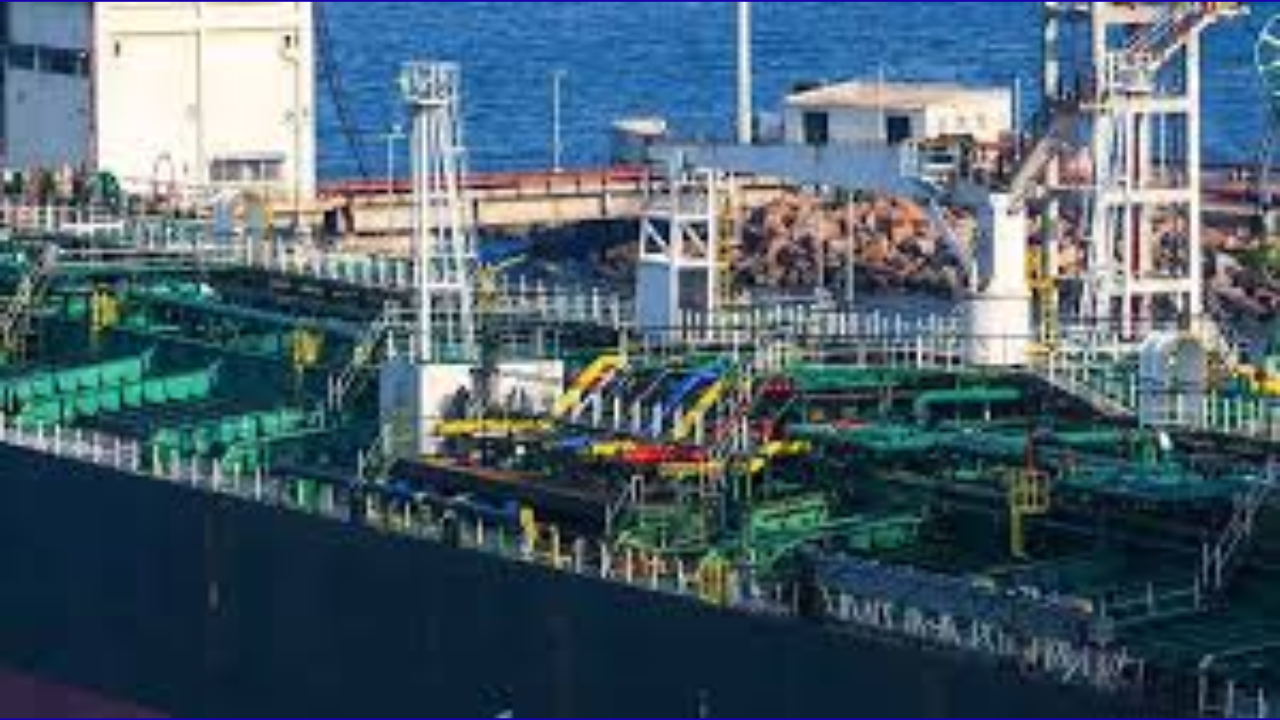
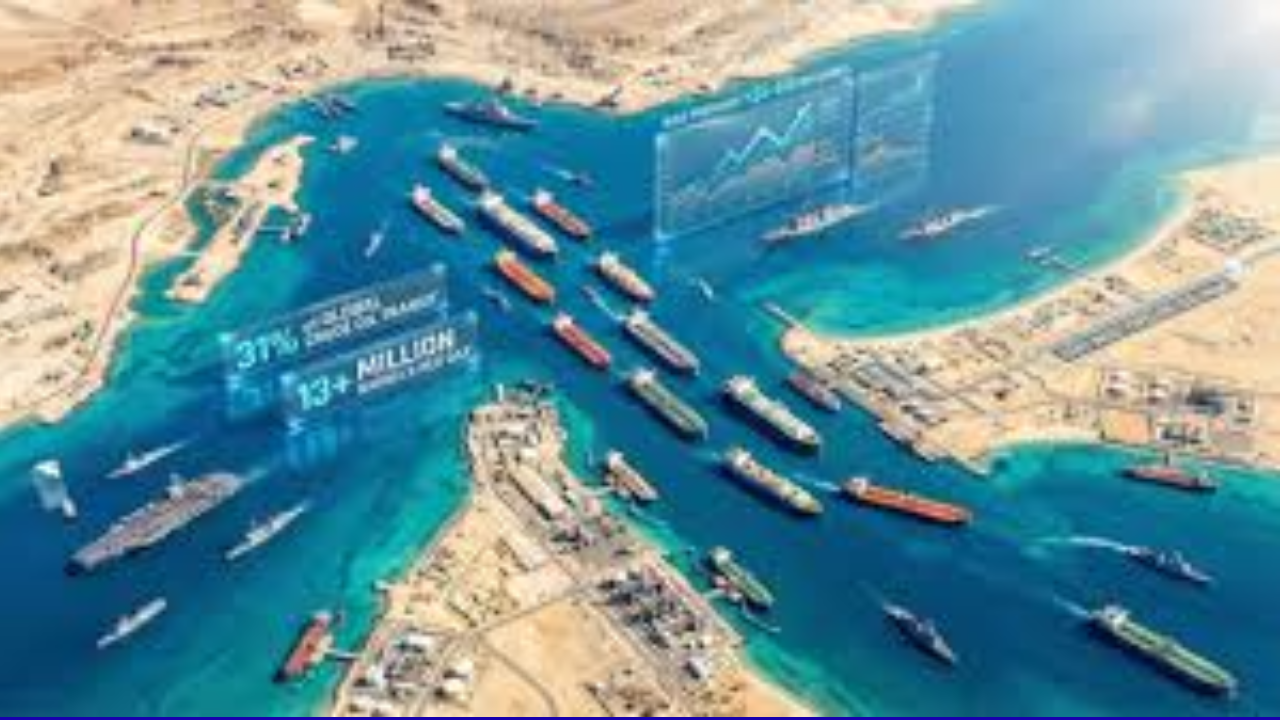
- The Hardline Pivot: His first official statement (read on state TV yesterday) was a vow of “unconditional revenge” and a directive to keep the Strait of Hormuz closed—a move that has already sent oil prices past $100 a barrel.
The Failure of the “Venezuela Model”
The Trump administration appears to be betting on a “regime capture” theory similar to the recent transition in Caracas. However, Iran is not Venezuela.
- Institutional Resilience: Unlike the secular military in Venezuela, the IRGC (Revolutionary Guard) is an ideological and economic behemoth. They view this conflict as an existential struggle for survival, not a political negotiation.
- A History of Defiance: Decades of “maximum pressure” and mutual hatred toward the U.S. and Israel have hardened the regime’s core. Instead of fracturing, the security apparatus has consolidated, using “zero-tolerance” measures to suppress any internal dissent during the war.
A Regional “Mess” for the Gulf
While Washington and Jerusalem focus on “decapitating” leadership, the Gulf States (GCC) are left to deal with the fallout.
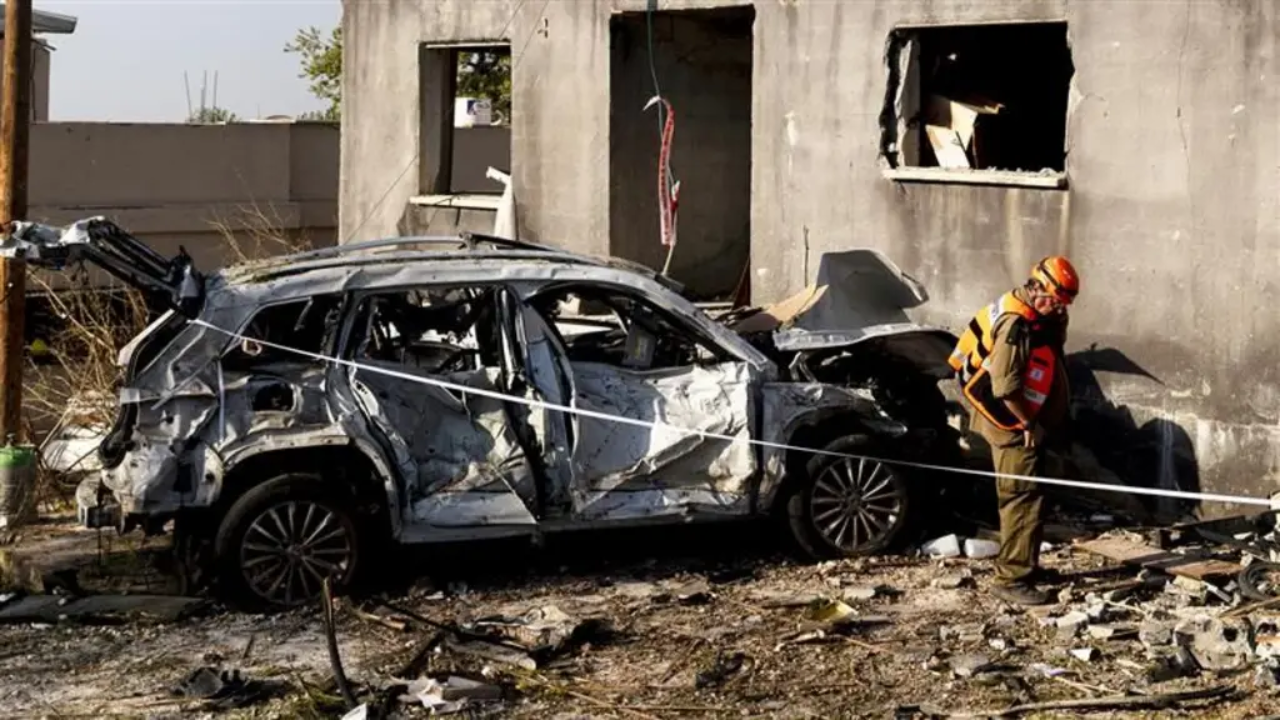
- The Retaliation Zone: Iran has already launched hundreds of drones and missiles at U.S. bases in the UAE and Qatar.
- Diplomatic Abandonment: There is a growing sense in Riyadh and Abu Dhabi that the Americans have ignited a regional firestorm without a “Day After” plan, leaving their neighbors on the front lines of an asymmetric war.
The regime isn’t crumbling; it is digging in. By moving the leadership into the shadows and weaponizing global energy supply via the Hormuz blockade, Tehran is proving that even without a visible Supreme Leader, the system’s “autopilot” is set for total confrontation.